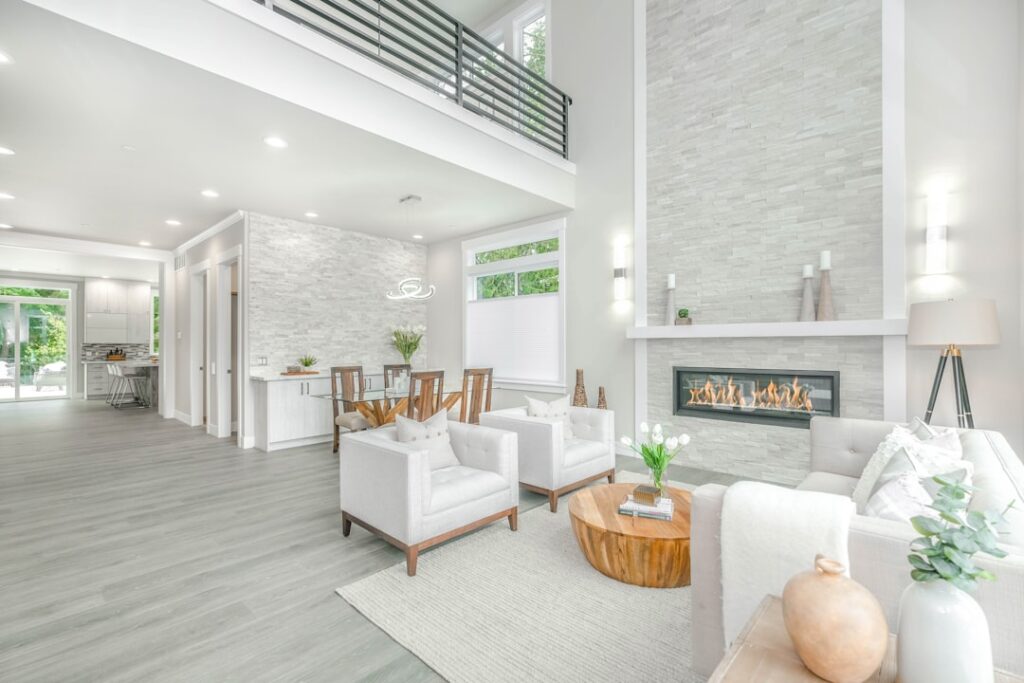
Big rooms swallow small rugs, and warm rooms need the right warm color — a terracotta rug 9×12 answers both problems at once. The generous 9-by-12-foot footprint (108 square feet) is built to anchor large living rooms, open-plan great rooms, and sizable dining spaces, while the earthy terracotta hue brings a sun-baked, Mediterranean warmth that gray and beige simply cannot match. This is a rug that makes a room feel finished and grounded. The trick is placing a size this large correctly and pairing terracotta so it reads sophisticated rather than dated. Here is how to do both.
Why Terracotta, and Why Now
Terracotta — the warm, orange-brown of fired clay and Tuscan rooftops — has surged back into interiors as homeowners move away from cool grays toward warmer, earthier palettes. It sits in the family of rust, clay, and burnt sienna, and it brings instant coziness and a connection to natural materials. Unlike a true bright orange, terracotta is muted and grounded, which makes it far more livable and easy to decorate around.
The color also has practical virtues on a floor. Its medium-dark, warm tone hides dirt, pet hair, and everyday soil far better than a light neutral — a real advantage in the large, high-traffic rooms a 9×12 is meant for. And terracotta flatters wood floors and furniture beautifully, deepening the warmth of oak, walnut, and pine.
Placing a 9×12 Rug Correctly
A 9×12 is a large rug, and large rugs are meant to unify a whole seating or dining arrangement — not float in the middle of it. Use the size to its full advantage.
- Living room (all legs on): a 9×12 is big enough to place all four legs of the sofa and chairs on the rug, creating a grounded, luxurious, gallery-like seating area. This is the size’s signature look.
- Open-plan great room: use the 9×12 to define the living zone within a larger open space, visually separating it from the dining or kitchen area
- Large dining room: fits a table seating eight to ten with the recommended 24-plus inches of rug beyond each edge so chairs stay on when pulled out
- Large primary bedroom: extends well past the sides and foot of a king bed for a soft, symmetrical landing
Leave 8 to 18 inches of exposed floor between the rug and the walls so the room still breathes. Before buying, tape out the 9-by-12 rectangle on your floor and walk it — a rug this large is a significant purchase, and the tape test confirms the proportion instantly.
Building a Palette Around Terracotta
Terracotta is a warm color, so it plays best with a warm-leaning palette — but a few well-placed cool accents keep it from feeling one-note.
- Cream, ivory, and warm white: the classic partners; they brighten the room and let the terracotta glow
- Deep green (olive, forest, sage): terracotta and green is a natural, nature-derived pairing that feels fresh and grounded
- Navy and teal: cool blues provide crisp contrast that keeps a warm room from feeling heavy
- Wood tones and brass: honey oak, walnut, rattan, and aged brass amplify the earthy, Mediterranean feel
- Charcoal and black: a few dark accents sharpen the scheme and add definition
Follow a 60-30-10 balance: keep the walls and largest furniture neutral, let terracotta lead through the rug and a few textiles, and add one accent color (green or navy work beautifully) for contrast. Terracotta walls plus a terracotta rug plus terracotta everything reads muddy — let the rug be the anchor and surround it with calmer tones.
Styles That Suit Terracotta
The color is versatile enough to work across several looks. A solid or subtly textured terracotta rug leans modern and minimalist. A terracotta-ground Persian or vintage-style pattern reads traditional and collected. A terracotta-and-cream Moroccan or diamond pattern feels boho and relaxed, and a terracotta flatweave or kilim brings a Southwestern, artisanal vibe. Match the rug’s style to your room, but know that in any of these forms, the warm base color does the heavy lifting.
Choosing a Durable Material
A 9×12 anchors a main, high-traffic room, so durability is essential — and a rug this large is an investment worth protecting with the right fiber.
- Wool: the premium choice — resilient, naturally stain-resistant, and terracotta looks especially rich in wool. Expect a significant price for a 9×12, often $800 to $2,000, but it will last decades.
- Polypropylene: the practical, budget-friendly option; stain- and fade-resistant and widely available in warm earth tones, often $300 to $700 in this size. Ideal for families and pets.
- Jute and natural fiber: a terracotta-toned or terracotta-bordered jute rug adds organic texture, but keep it out of moisture-prone zones
- Nylon and polyester blends: durable, colorfast, and easy to clean for busy households
Whatever the fiber, put a quality rug pad under a rug this size. A pad cushions the pile, stops a large rug from creeping and rippling, reduces wear in traffic paths, and adds years to the rug’s life — cheap insurance on a big purchase.
Care and Longevity
Terracotta’s warm, medium tone is forgiving of daily mess, but a rug this large still collects a lot of traffic. Vacuum weekly to lift grit before it grinds into the fibers, and rotate the rug 180 degrees a couple of times a year so foot traffic and sun exposure wear it evenly — warm dyes can lighten in a sunny room over time, and even wear keeps the color consistent. Blot spills immediately with mild soap and water, working from the outside in, and never rub.
Because a 9×12 is too big for most home washing, plan on professional cleaning every couple of years for wool, and spot-clean synthetics as needed between deeper cleans. Keep the rug out of direct, unshaded sunlight where possible to preserve the vibrancy of the terracotta.
Common Mistakes to Avoid
Buying a 9×12 for a room that cannot accommodate it is the first error — measure and tape it out, because a rug this size crammed wall to wall looks cramped and swallows the floor. Over-saturating the room with terracotta is the second; let the rug lead and keep surrounding tones calm. And skimping on the rug pad under a large, expensive rug shortens its life and invites slipping and rippling. Size it to the room, balance the warm color, and pad it properly.
Handling and Installing a Rug This Large
A 9×12 rug is heavy and unwieldy — a wool one can weigh 40 to 60 pounds — so plan the delivery and unrolling. Move furniture out of the way first, lay the rug pad down and trim it about an inch smaller than the rug on each side, then unroll the rug on top and give it time to relax. New rugs often arrive with creases and a slight curl at the corners from being rolled in shipping; most flatten within a few days under the weight of furniture, but you can speed it along by reverse-rolling the rug gently or placing a heavy book on stubborn corners. Weighted furniture legs on top do the rest.
Because it is too large to shake out or toss in a wash, think about maintenance access up front. Leave yourself room to vacuum around the edges, and if the room sees heavy use, a lower-pile or flatweave terracotta rug will be far easier to keep clean at this scale than a deep shag.
A terracotta rug 9×12 is a room-defining piece: big enough to anchor an entire seating or dining group, warm enough to make a large space feel intimate, and forgiving enough to survive real life. Place it so the furniture sits on it, surround the earthy hue with calm neutrals and a cool accent, and choose a fiber built for the traffic — and it will ground the biggest room in the house for years.