Vinyl plank is everywhere, and the marketing around it swings between miracle-floor hype and internet horror stories. The truth about vinyl plank flooring sits in the middle: it is a genuinely excellent product for the right situations and a poor choice for others. It is waterproof, affordable, and easy to install, but it also has real limitations around off-gassing, denting, heat, and refinishing that showrooms rarely mention. Here is a balanced look so you can decide with eyes open.
The Real Advantages
Let us start with why vinyl plank has taken over so many homes. The benefits are real and explain the popularity:
- Truly waterproof: rigid-core LVP handles kitchens, baths, laundries, and basements where wood cannot go.
- Affordable: often a fraction of the installed cost of hardwood or tile.
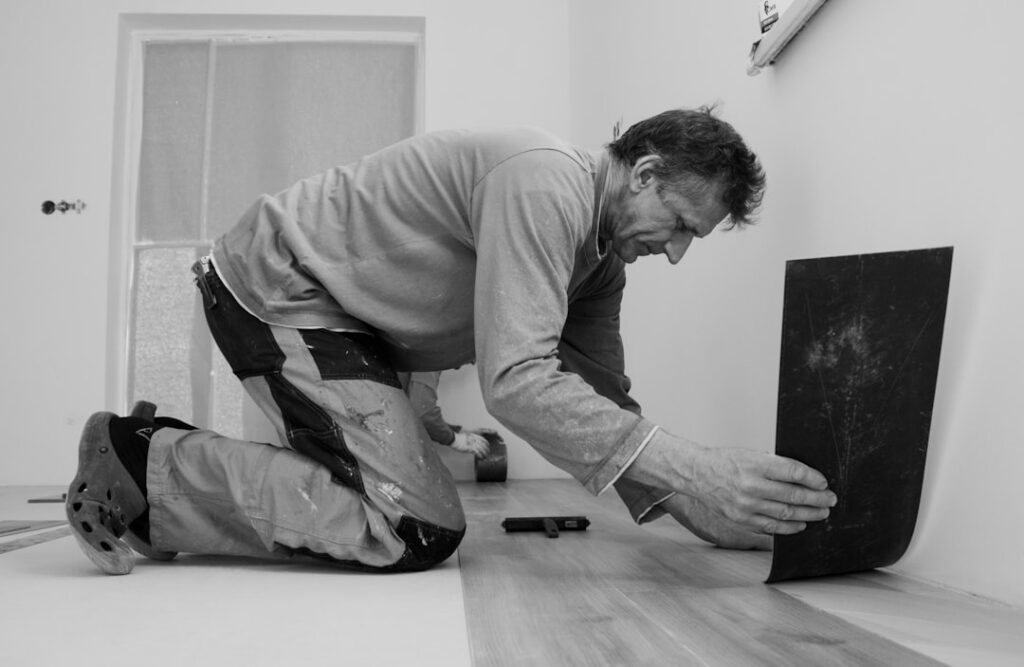
- Easy to install: click-lock floating systems are within reach of a determined DIYer.
- Low maintenance: sweep and damp-mop, no refinishing or sealing rituals.
- Comfortable and quiet: warmer and softer underfoot than tile, with good sound options.
For busy households, pets, and moisture-prone rooms, these strengths are hard to beat. That is the honest upside, and it is substantial.
The VOC and Off-Gassing Question
Now the part the ads skip. Vinyl is a plastic, PVC, and newly installed planks can release volatile organic compounds, or VOCs, which cause that “new floor” smell and can affect indoor air quality. This is a legitimate concern, especially for sensitive individuals, children, and airtight homes.
The reality is more reassuring than the scariest claims but not nothing. Off-gassing is highest when the floor is new and tapers off over weeks. You can minimize exposure by choosing products certified to low-emission standards such as FloorScore or GreenGuard Gold, phthalate-free formulations, and reputable brands rather than the cheapest unlabeled imports. Ventilate well during and after installation. The truth about vinyl plank flooring here is that quality and certification matter enormously, so do not shop on price alone.
Denting and Heat Sensitivity
Vinyl’s soft, resilient nature is a comfort advantage and a durability weakness. Heavy furniture, appliance feet, and dropped objects can leave permanent dents, and the thinner or softer the plank, the easier it dents. Use felt pads under furniture and wide caster wheels, and choose a rigid SPC core with a thick wear layer for high-traffic rooms.
Heat is the other soft spot. Vinyl can expand, warp, or discolor under sustained heat and direct sun through large windows. In sunrooms and south-facing spaces, use UV-resistant products, honor the manufacturer’s temperature limits, and be cautious pairing some vinyl with radiant heat. A pan straight off the stove or a space heater set too close can mark it.
You Cannot Refinish It
This is the limitation most people underestimate. Unlike solid hardwood, which can be sanded and refinished several times over decades, vinyl plank cannot be refinished at all. The printed design sits under a thin wear layer, and once that layer scratches through or the plank dents, your only fix is replacing the affected planks.
That makes wear-layer thickness the single most important spec for longevity. For homes with pets and heavy traffic, choose 20 mil; 12 mil suits moderate residential use. When the floor is worn out, it comes up and goes to the landfill rather than being renewed, which is both a cost and an environmental consideration.
Resale and Perception
Vinyl’s effect on home value is nuanced. Quality LVP in good condition is widely accepted by buyers and can be a selling point in kitchens, baths, and basements. But it does not carry the premium cachet of real hardwood in formal living spaces, and cheap, obviously fake vinyl can read as a downgrade to some buyers.
For most homes, mid-to-high-grade vinyl is a neutral-to-positive resale factor. In high-end homes where buyers expect solid wood, vinyl in the main living areas may slightly cap value. Match the material to the price tier of your home and neighborhood.
Subfloor and Installation Realities
Vinyl’s easy-install reputation is mostly deserved, but there is a catch worth knowing. Rigid-core click-lock planks float over most surfaces, yet they are unforgiving of an uneven subfloor. High and low spots telegraph through thin planks, and dips can cause the locking joints to flex and eventually pop. Manufacturers typically require the subfloor flat within about 3/16 inch over 10 feet, which often means grinding high spots or applying a leveling compound first.
Skipping proper prep is a leading cause of hollow spots, gaps, and clicking joints in vinyl floors. Acclimating the planks to the room for the recommended time also matters, because vinyl expands and contracts with temperature. Honor the expansion gap at every wall, and do not install wall-to-wall across huge open runs without the transition strips the maker specifies.
Environmental Considerations
Being fair about vinyl means acknowledging its environmental footprint. It is a petroleum-based plastic, it cannot be refinished or easily recycled, and worn planks head to the landfill rather than being renewed like wood. For buyers who prioritize sustainability, that is a genuine mark against it compared with solid hardwood, cork, or linoleum.
You can reduce the impact somewhat by choosing durable, thick-wear-layer products that last longer before replacement, buying phthalate-free and low-emission certified lines, and selecting reputable manufacturers with transparent sourcing. These choices do not make vinyl a green product, but they meaningfully narrow the gap. Weigh this alongside the practical benefits when you decide what matters most for your home.
So, Is Vinyl Plank Right for You?
Warranties are another area where honesty helps. Vinyl products advertise long residential warranties, sometimes labeled lifetime, but the fine print usually limits coverage to specific defects and requires professional installation, correct subfloor prep, and documented maintenance. Wear-through, dents, and heat damage are commonly excluded. Read the actual warranty terms before you buy, keep your receipts, and follow the care instructions, because a warranty is only as good as your ability to meet its conditions.
Vinyl plank flooring is a smart, practical choice for waterproof needs, budgets, DIY projects, and busy family spaces, provided you buy a certified, thick-wear-layer product and treat its soft surface with reasonable care. One practical way to decide is to think room by room rather than choosing a single floor for the whole house. Vinyl earns its keep in basements, laundry rooms, bathrooms, kitchens, and mudrooms, exactly the wet, hard-use spaces where its waterproof toughness beats wood. In the formal living and dining rooms of a higher-end home, solid hardwood may still be the better long-term investment. Mixing materials by function often gives you the best combination of performance, looks, and value. It is a weaker choice where you want a lifetime, refinishable floor, maximum resale prestige, or the lowest possible indoor emissions in a very sensitive household. Knowing the truth about vinyl plank flooring, both the strengths and the honest limits, lets you put it where it shines and avoid disappointment where it does not.
Prefer to explore on your own?
See how new flooring looks in your actual room in seconds — free, no signup.
Try the free Floor Studio →