Tick populations have expanded their US range by an estimated 45% over the last two decades, driven by milder winters and an exploding deer herd in suburban edges. Ticks pest control is no longer just a concern for rural homeowners in the Northeast. Lone star ticks now appear regularly in Texas and Oklahoma backyards, and the western blacklegged tick has spread up the Pacific Coast into Washington. Effective control requires layering chemical, physical, and habitat strategies because no single tactic kills ticks at every life stage.
Why Ticks Are Hard to Kill
A tick spends roughly 95% of its life off-host, hidden in leaf litter, mulch, or tall grass within 3 ft of the ground. The four life stages (egg, larva, nymph, adult) react differently to pesticides, and nymphs (the dangerous stage that transmits Lyme disease) are smaller than a poppy seed and easy to miss during routine yard maintenance.
Adult ticks can survive a full year without feeding. Females lay batches of 2,000 to 18,000 eggs at a time, depending on species. That biology means a one-and-done yard spray almost never works. You have to interrupt the life cycle at multiple points.
Yard Sprays That Actually Reduce Tick Counts
University of Rhode Island and Connecticut Agricultural Experiment Station studies have measured up to 90% tick reduction from properly timed perimeter sprays. The active ingredients that consistently perform are bifenthrin (Talstar P, Bifen IT), permethrin (Martin’s 10%, Hi-Yield 38 Plus), and cyfluthrin (Tempo). Each runs roughly $25 to $50 per concentrate quart, treating about 30,000 sq ft when diluted per label.
- Spring spray: Late April through May, targeting overwintered adults before they lay eggs
- Mid-summer spray: Late June through July, targeting nymphs feeding actively
- Fall spray: September into October, targeting adult deer ticks before frost
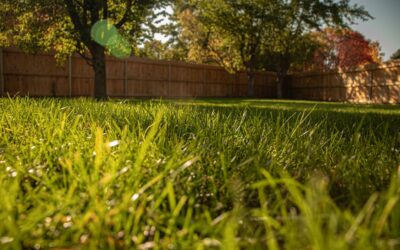
Focus spray volume on the lawn-to-woods transition zone within 9 ft of any tree line, stone wall, or brush pile. The lawn interior gets few ticks because direct sun dehydrates them within an hour.
Natural and Organic Tick Control Options
Cedarwood oil (the active ingredient in Wondercide and Cedarcide Tickshield) carries an EPA exemption under FIFRA 25(b) and kills ticks on contact. Field trials show 60-75% reduction at 30 days, less than synthetic pyrethroids but enough for many homeowners with kids, pets, or pollinator gardens. Plan to spray every two to three weeks instead of every six.
Beauveria bassiana, a soil fungus sold as BotaniGard or Met52, infects and kills ticks within five to seven days. Application is touchier than chemical sprays because the spores need humidity above 50% and temperatures between 65 and 95°F to germinate. Costco and Tractor Supply both carry generic equivalents under $30 per pound.
Habitat Changes That Cut Tick Numbers
Spraying alone fails when the yard provides perfect tick habitat. A few cheap changes can drop populations by half before any pesticide hits the ground.
- Mow the lawn weekly to 3 in or shorter. Tall grass holds the humidity ticks need to survive.
- Install a 3 ft wide wood chip or gravel barrier between lawn and woods. Ticks rarely cross dry, sunny mulch.
- Remove leaf litter, brush piles, and old lumber stacks within 30 ft of the house.
- Move children’s swing sets and play areas away from tree lines and into open sun.
- Stack firewood off the ground on a rack, covered and away from the house.
Deer are the primary blood meal for adult blacklegged ticks. Fencing the property with an 8 ft deer fence or using deer-resistant landscaping cuts the breeding population of the most dangerous Lyme vector.
Personal Protection Around the Yard
Yard treatments never reach 100% control, so personal protection matters even after professional spraying. Permethrin-treated clothing kills ticks on contact and survives 6 to 8 wash cycles. A bottle of Sawyer Permethrin spray costs about $17 and treats two outfits and a pair of boots. DEET at 25-30% on exposed skin remains the gold-standard repellent, with picaridin at 20% running a close second for sensitive skin.
After yard work, run clothing through the dryer on high for 10 minutes before washing. Heat kills ticks faster than detergent. Shower within two hours and do a full body tick check, paying attention to behind the ears, behind the knees, the groin, and the scalp where nymphs hide.
When to Call a Professional Pest Control Company
DIY treatment works for properties under half an acre with simple lot geometry. Larger properties, wooded lots, or homes with documented tick-borne illness in the family benefit from a professional service. National companies like Orkin, Mosquito Joe, and TruGreen charge $70 to $150 per quarterly application for tick programs, with most contracts including unlimited callbacks if populations rebound.
Ask any company for the specific active ingredient, the label dilution rate, and whether they include the perimeter wood-line zone. Companies that quote a low price for “yard treatment” without specifying perimeter focus often spray only the lawn interior, where ticks rarely live anyway.
Pets and Tick Control Inside the Home
Dogs and cats serve as the primary route ticks use to enter homes. Year-round oral preventatives like Nexgard, Bravecto, or Simparica for dogs cost $90 to $200 for three to six months of coverage and kill ticks within 8 to 12 hours of attachment, before most disease transmission occurs. Topical sprays and collars (Seresto, Frontline Plus) work for cats and dogs that cannot tolerate oral medications.
Vacuum baseboards, pet beds, and area rugs weekly during peak tick months. Wash pet bedding in hot water every two weeks. Indoor infestations from brown dog ticks are uncommon in most US regions but can happen in apartments and kennels, requiring targeted indoor treatment with a product like Suspend SC or Onslaught FastCap.