A standard alcove tub surround covers about 75 to 95 square feet of wall, which is more visible tile than most kitchen backsplashes. That makes it the single biggest design decision in most bathroom renovations, and the place where homeowners most often default to safe choices that look dated within five years. Smart tile around bathtub ideas balance trend, longevity, and practical waterproofing. The right tile, layout, and grout combination can date a bathroom forward 15 years or anchor it firmly in 2008. This guide covers the layouts, materials, and accent moves that are working in 2026, with the budget ranges that real homeowners are spending.
Subway Tile, Reimagined
White 3 by 6 inch subway tile has been the bathroom default for over a decade. It still works, but the way it is used has shifted. The fresh look puts subway tiles in vertical stack-bond or vertical herringbone patterns rather than the traditional horizontal offset. The pattern still reads as classic but feels current rather than overdone.
Adding scale variety also keeps the look interesting. Run 3 by 12 inch elongated subway in horizontal layout halfway up, then switch to a 2 by 8 inch zellige-style tile above. The proportional change creates visual interest without any contrasting color or pattern. Total cost for a typical alcove surround in white subway runs 500 to 1,200 dollars in materials and 800 to 1,800 dollars in labor.
Large-Format and Slab Tile
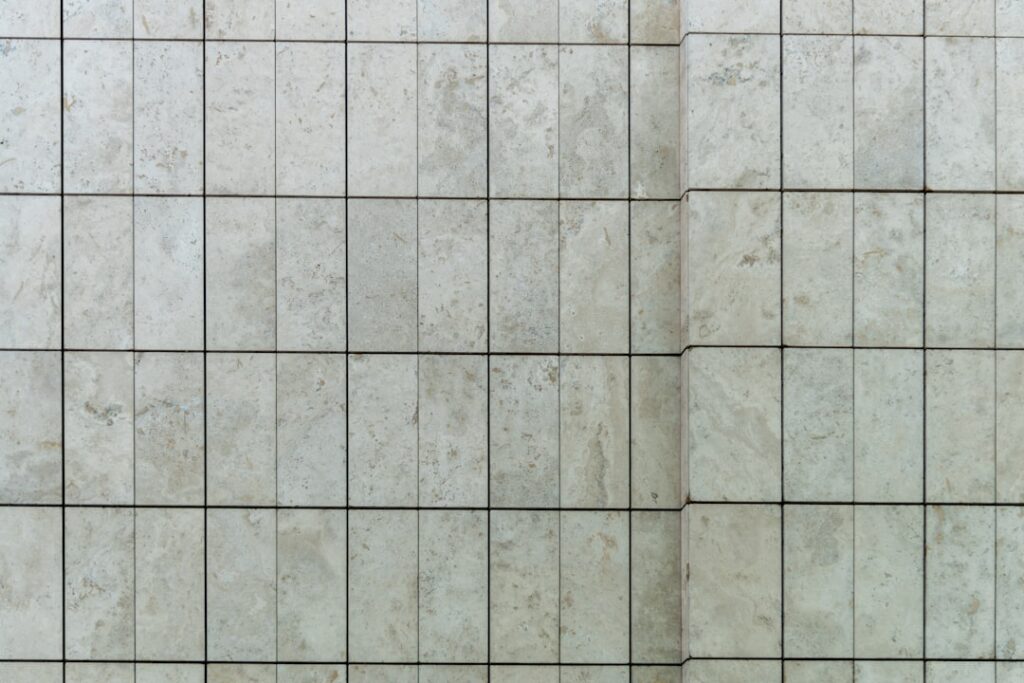
One of the biggest shifts in the last three years is the move toward larger tile around the tub. Porcelain slabs in 24 by 48 inch or 48 by 48 inch formats reduce grout lines dramatically and make a small bathroom feel larger. Faux marble, faux travertine, and faux concrete patterns in porcelain slabs cost 8 to 24 dollars per square foot, far less than real stone.
Installation requires a skilled tile setter with experience in large format. The flatness tolerance of the substrate must be within 1/8 inch over 10 feet, which usually means re-floating the walls before tile goes up. Budget 25 to 40 percent more for labor than standard 12 by 24 inch porcelain.
Stone, Real and Faux
Natural stone reads as luxurious but introduces maintenance most homeowners do not anticipate. Marble around a tub needs annual sealing, etches from acidic shampoos and soap, and shows water spots permanently if you do not wipe it down. The look is gorgeous; the lifestyle is demanding.
Better-grade porcelain slabs that mimic Calacatta Gold, Statuario, or Carrara marble cost 30 to 50 percent less than real stone, require no sealing, and resist staining and etching. The visible difference at arm’s length is small. Brands like Florim, Anatolia, and Daltile produce convincing porcelain marble look-alikes.
Accent Strips and Niches
A built-in tile niche above the faucet end of the tub is now standard in good remodels. Plan for one at adult shoulder height (about 48 to 56 inches off the floor) sized roughly 14 by 28 inches. Frame the niche in a contrasting accent: a marble mosaic, a colorful zellige, or a metallic mosaic strip.
- Marble pencil liner around the niche perimeter — adds 50 to 150 dollars in material
- Zellige mosaic backing — gives texture and depth, costs 12 to 25 dollars per sq ft
- Brushed brass Schluter-style metal trim around the niche edge — modern and clean
- Glass mosaic accent line at chair-rail height around the entire surround
- One feature wall of patterned tile (cement-look, fish-scale, or vertical fluted) flanked by quieter neutrals
Grout Color: The Sneaky Detail
Grout color makes or breaks the look. White grout with white subway tile feels timeless but stains visibly within two years in heavy-use bathrooms. Light gray (Mapei Frost or Custom Building Products Pewter) reads as crisp without showing soap residue and mildew so quickly.
For colored tile, match grout to the tile tone rather than going contrasting unless the pattern itself demands it. High-contrast grout (white tile, dark gray grout) was overdone from 2018 to 2022 and now reads as dated. The current preference is grout-on-tone for a softer, more sophisticated look.
Epoxy grout (Mapei Kerapoxy, Laticrete SpectraLOCK) costs 2 to 3 times more than cement grout but stays the same color for 20 plus years without sealing. For high-use bathrooms, the upgrade is worth it.
Tile Layouts That Add Personality
Herringbone, chevron, and basket-weave layouts add detail without changing materials. A simple 3 by 12 inch white tile installed in herringbone across the back wall of the tub becomes a focal point at no extra material cost. Labor goes up about 20 to 30 percent for these patterns due to extra cutting and layout work.
Vertical fluted tile (sometimes called kit-kat or finger tile) running floor to ceiling along one wall of the tub surround creates a textural feature wall that photographs beautifully and feels expensive. The cost runs 8 to 18 dollars per square foot for the tile itself; pair with quieter horizontal subway on the side walls.
Color Palettes for Different Moods
Clean and bright: white subway with light gray grout, brushed nickel fixtures, white painted vanity. Reads as fresh and broadly appealing for resale.
Warm and earthy: cream zellige with terracotta grout, unlacquered brass fixtures, walnut vanity. Trending strongly in 2025 and 2026, especially in older homes with traditional bones.
Moody and dramatic: dark green or deep blue 4 by 12 hand-glazed tile with dark gray grout, matte black fixtures, white painted vanity for contrast. Bold but timeless when the rest of the bathroom stays restrained.
Waterproofing Underneath
The best tile design is worthless if the substrate fails. Standard cement board (Durock, HardieBacker) is no longer best practice on its own. Modern bathrooms use a continuous waterproofing membrane like Schluter Kerdi or Wedi backerboard, sealed at every seam, before tile installation.
Schluter Kerdi-Board (about 35 dollars per 32 by 48 inch panel) replaces both substrate and membrane in one product. It costs more upfront but eliminates the failure points where most leaks start: corners and fixture penetrations. Budget 150 to 300 dollars extra for proper waterproofing on a typical alcove tub.
Budget Planning From Basic to Custom
A basic alcove tub retile with budget porcelain runs 1,500 to 2,800 dollars including labor, demo, and waterproofing. A mid-range project with quality 12 by 24 porcelain, decorative accent strip, niche, and good grout runs 3,500 to 6,500 dollars. High-end work with slab tile, real marble accents, and custom layouts runs 8,000 to 15,000 dollars.
The best tile around bathtub ideas at any budget share a few traits: restrained palettes, well-chosen grout, thoughtful niches, and proper waterproofing underneath. Spend on the elements that show every day and last 15 years, not on busy accent tiles that age out of style in three. The bathroom will reward the careful planning every morning for the next two decades.
Prefer to explore on your own?
See how new flooring looks in your actual room in seconds — free, no signup.
Try the free Floor Studio →