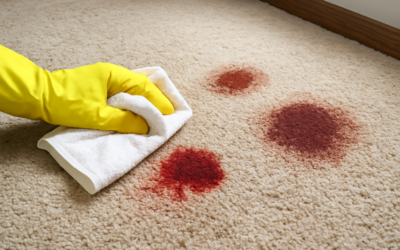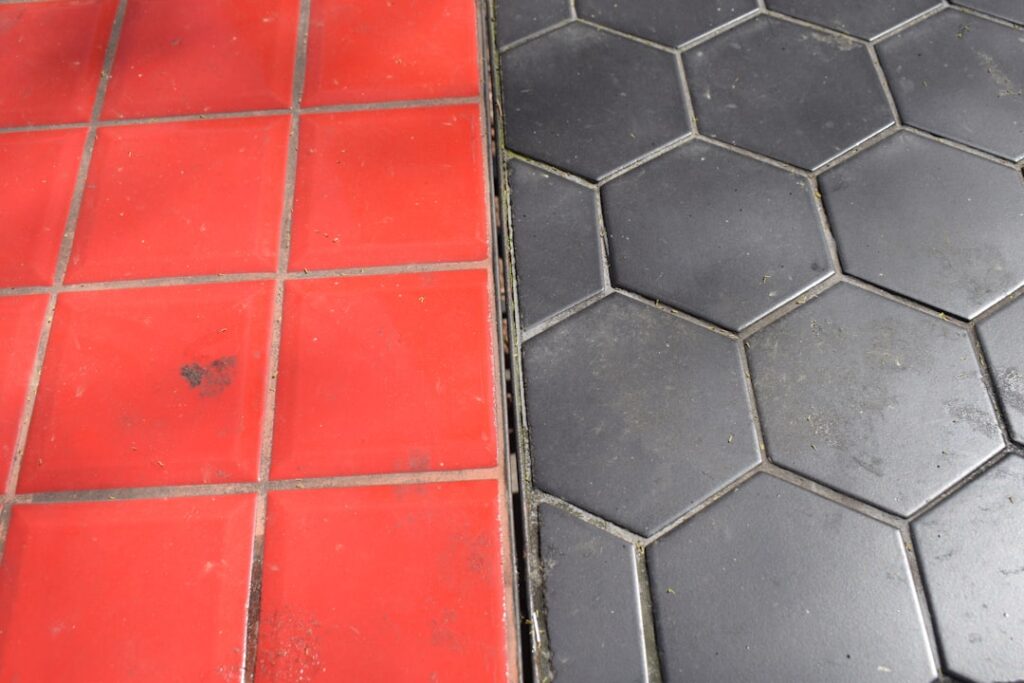
Tile is tough, but the wrong cleaner can leave it dull, streaky, or slowly wreck the grout between the tiles. Choosing the right tile floor cleaner liquid means matching the formula to your tile type and, just as importantly, to the grout that frames it. Having cleaned and maintained tile floors for years, I’ve watched cheap acidic products eat grout and sticky soaps build up into a haze. The good news is that the right liquid cleaner makes upkeep genuinely easy.
This guide breaks down the best types of liquid tile cleaners, what to avoid, how to dilute and mop correctly, and answers the questions homeowners ask most.
Why the Right Liquid Cleaner Matters
Ceramic and porcelain tile are nearly bulletproof, but the grout lines are porous and vulnerable. Harsh acidic or strongly alkaline cleaners can etch grout, strip sealer, and dull certain tile finishes over time. Meanwhile, oil-based or heavily fragranced soaps leave a residue that traps dirt and turns your floor cloudy. The right formula cleans thoroughly, rinses clean, and protects both tile and grout.
Liquid cleaners win over powders and wipes for floors because they dilute evenly, spread easily with a mop, and let you control concentration for light or heavy cleaning. That flexibility is exactly what a large tile floor needs.
Types of Liquid Tile Cleaners
Understanding the main categories helps you buy smart instead of grabbing whatever’s on sale.
pH-Neutral Cleaners
For everyday cleaning, a pH-neutral formula is the safest and most versatile choice. It lifts dirt without attacking grout, sealer, or tile finish, and it works on ceramic, porcelain, and most natural stone. This is the category I recommend to nearly everyone for routine mopping. Look for products labeled neutral or safe for all hard surfaces.
Enzyme and Oxygenated Cleaners
For grimy grout, pet accidents, and organic stains, enzyme-based or oxygenated formulas break down the mess biologically rather than with harsh acid. They’re gentle on surfaces but excellent at tackling odors and stubborn buildup in grout lines. Great as a periodic deep-clean product alongside your daily neutral cleaner.
Vinegar-Based and DIY Solutions
Diluted vinegar is a popular homemade option, but use it carefully. It works on sealed ceramic and porcelain, yet its acidity can etch natural stone like marble and travertine and, over time, wear at cement grout. If you go DIY, a few drops of dish soap in warm water is often gentler and safer than vinegar for regular use.
Steam and Concentrate Systems
Some liquid concentrates are made to run through spray mops or dilute heavily for bucket use. These are economical for big floors since one bottle makes many gallons. Always follow the dilution ratio; over-concentrating is what leaves sticky residue.
What to Look For and What to Avoid
When comparing bottles, keep this checklist in mind.
- Choose: pH-neutral or clearly tile-safe labeling, no-rinse or easy-rinse formulas, and low or no residue claims.
- Choose: concentrates for value, and streak-free formulas for glossy porcelain.
- Avoid: oil-based or wax soaps that build up and dull the surface.
- Avoid: strong acids (except targeted grout-haze removers) on stone and cement grout.
- Avoid: heavy dyes and thick fragrances that leave film.
Matching Cleaner to Tile Type
Not all tile is the same, and the cleaner should respect that.
- Porcelain and glazed ceramic: the most forgiving; pH-neutral cleaner handles daily duty, oxygen cleaner for deep cleans.
- Natural stone (marble, travertine, slate): use only pH-neutral, stone-safe cleaners; never vinegar or acid.
- Textured or matte tile: a slightly stronger neutral solution and a scrub brush reach the texture; rinse well.
- Grout lines: enzyme or oxygenated cleaner plus a stiff brush, then reseal grout once or twice a year.
How to Mop Tile the Right Way
Even the best cleaner underperforms with poor technique. Follow this routine for a streak-free floor.
- Sweep or vacuum first. Mopping over grit just makes muddy streaks and can scratch glossy tile.
- Dilute per the label. More cleaner is not better; excess soap leaves residue.
- Use warm water and a microfiber mop. Microfiber lifts dirt instead of pushing it around.
- Change the water often. Dirty mop water redeposits grime and dulls the finish.
- Rinse if needed. Unless the product is no-rinse, follow with a clean-water pass to remove residue.
- Let it air-dry or buff with a dry microfiber cloth for a streak-free shine.
For grout, work a little cleaner into the lines with a grout brush every few weeks rather than scrubbing the whole floor by hand each time.
Tackling Common Tile Cleaning Problems
A good liquid cleaner solves most day-to-day messes, but a few stubborn issues call for a targeted approach.
Grease and Kitchen Grime
Cooking splatter builds an invisible greasy film on kitchen tile that a light neutral solution can smear around rather than lift. For greasy floors, mix a slightly stronger neutral or a degreasing formula, let it dwell for a couple of minutes so it can break the oil, then mop and rinse. Warm water helps the surfactants work faster.
Grout Discoloration
Grout darkens as it soaks up dirt and mop water. An oxygenated or enzyme cleaner worked in with a stiff brush lifts most of it. For deep-set stains, a paste of oxygen bleach left to sit for ten minutes before scrubbing often restores the original color. Reseal afterward so the grout resists the next round of grime.
Hard-Water Film and Streaks
If your floor dries with a chalky haze, mineral-heavy tap water is usually the culprit. A final rinse with distilled water or a quick buff with a dry microfiber cloth clears it. Streaks almost always mean too much product or dirty mop water, so cut back on cleaner and change the bucket more often.
Keeping Tile Clean Longer
A few habits stretch the time between deep cleans. Place mats at entries to catch grit, wipe spills before they set, and seal cement grout annually so it resists staining. A quick daily pass with a dry dust mop keeps abrasive grit from grinding into glazed surfaces. Do these, and your weekly mop with a neutral cleaner keeps the floor looking new.
Frequently Asked Questions
What is the best liquid cleaner for tile floors?
A pH-neutral liquid cleaner is the best all-around choice for daily mopping because it lifts dirt without harming tile, grout, or sealer. Pair it with an enzyme or oxygenated cleaner for periodic deep cleaning of grout lines.
Can I use vinegar on tile floors?
On sealed ceramic and porcelain, diluted vinegar can work occasionally, but its acidity can etch natural stone and slowly degrade cement grout. For regular cleaning, a neutral formula or mild dish soap in warm water is safer.
Why does my tile look cloudy after mopping?
Cloudiness is usually soap residue from too much cleaner, oil-based products, or dirty mop water. Switch to a residue-free neutral cleaner, dilute correctly, change your water often, and finish with a clean-water rinse.
How often should I mop tile floors?
High-traffic kitchens and entryways benefit from a weekly mop, while low-traffic areas can go every two weeks. Sweep or dust mop daily so grit never has a chance to scratch or dull the surface between wet cleanings.
The Bottom Line
The best tile floor cleaner liquid for most homes is a pH-neutral formula that cleans thoroughly and rinses clean, backed up by an enzyme cleaner for grout. Skip oil soaps and harsh acids, dilute correctly, and mop with microfiber and fresh water. Match the product to your tile, keep the grout sealed, and your floors will stay bright and streak-free with minimal effort.
Prefer to explore on your own?
See how new flooring looks in your actual room in seconds — free, no signup.
Try the free Floor Studio →