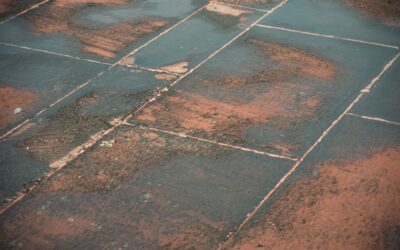
Phoenix homes have run tile across main living areas longer than almost any major U.S. metro, and the reason is simple — 110°F summers turn carpet into a heat trap and warp hardwood within three years. Tile flooring Phoenix homeowners install today is dramatically different from the 12-inch beige squares that defined Valley new construction in the 1990s. Large-format porcelain, wood-look planks, and indoor-outdoor flow designs now dominate the market, and the buying decisions matter more than ever.
Why Phoenix Tile Specs Are Different
Slab-on-grade construction across the Valley creates conditions that flooring elsewhere never faces. Concrete slabs in Phoenix expand and contract through 60°F daily temperature swings, with summer surface temps reaching 130°F under direct sun and winter slabs dropping to 55°F overnight. Most flooring materials cannot survive that swing — tile can.
The other factor is grit. Phoenix sand finds its way indoors no matter how well sealed the house is. Tile shrugs off the abrasive material that destroys wood and LVP wear layers within five years.
Best Tile Choices for the Valley
Not all tile is created equal for desert conditions:
- Large-format porcelain (24 by 48 inch): Fewer grout lines, easier cleaning, contemporary aesthetic. Top choice for great rooms and kitchens.
- Wood-look porcelain planks (8 by 48 inch): Wood aesthetic without the warping risk. Best in 6mm-plus thickness with through-body color.
- Travertine and natural stone: Beautiful but porous — requires annual sealing and shows hard-water etching from pool overspray.
- Encaustic-look cement tile: Popular for accent floors and entryways, sensitive to acidic cleaners.
- Slip-resistant porcelain (DCOF 0.42+): Required code-minimum for pool decks and bathrooms.
Top Phoenix Tile Dealers
The Valley supports more tile retailers per capita than almost any U.S. market. Worth visiting:
- Arizona Tile: The regional powerhouse with locations in Scottsdale, Mesa, and Glendale. Best selection of natural stone and large-format porcelain.
- Floor & Decor: Multiple Phoenix locations with the broadest commodity tile selection at the lowest prices.
- The Tile Shop (Scottsdale): Strong selection of designer porcelain and specialty mosaics.
- Express Flooring: Installed-only model with same-week scheduling, higher pricing but real convenience.
- Mediterranean Tile and Marble (Phoenix): Independent specialist for European imports and custom orders.
Installed Pricing Benchmarks
Phoenix tile pricing runs slightly below national average due to high local competition and abundant installer supply. Expect these 2026 ranges:
- Commodity 12 by 24 porcelain installed: $7.50 to $11 per sq ft
- Large-format 24 by 48 porcelain installed: $11 to $16 per sq ft
- Wood-look plank tile installed: $9.50 to $13.50 per sq ft
- Travertine installed: $13 to $18 per sq ft
- Encaustic cement tile installed: $18 to $28 per sq ft
Add $1.50 to $3 per sq ft for crack isolation membrane on second-story slabs or homes with active settling. Add another $2 to $4 per sq ft for radiant heat under-tile systems, which are surprisingly common in Phoenix for chilly winter mornings.
Pros That Make Tile the Phoenix Default
Several factors keep tile as the Valley’s dominant flooring choice:
- Stays cool underfoot during summer when other floors radiate heat
- Survives 110°F-plus daily exposure through south-facing windows without fading
- Handles pool water, monsoon mud, and sand grit without wear-layer damage
- Lasts 30 to 50 years with minimal maintenance
- Boosts resale value in a market where buyers expect tile in main living areas
Cons Phoenix Buyers Should Weigh
Hard underfoot is the universal complaint. Standing on tile for hours cooking or working from home causes leg and back fatigue. Plan for area rugs in kitchen work zones and consider cork or rubber mats at standing stations.
Grout maintenance is a recurring task. Even with epoxy grout, expect to clean grout lines deeply once a year and re-seal sanded grout every 18 to 24 months. Dropping a glass or heavy pot will chip tile — keep 5% to 10% of the original order in storage for repairs.
Installation Considerations That Matter
Phoenix slabs need crack isolation membrane on most large-format installations. Slabs over 30 feet in any dimension should have control joints honored through the tile field with matching joints rather than grouted continuously.
Use a polymer-modified thinset rated for large-format tile when planks exceed 15 inches in any dimension. Skip the bargain mortars from the big-box bottom shelf — failure on a 4 by 2 foot porcelain plank is dramatically more expensive than the mortar savings.
Indoor-Outdoor Flow Design
Phoenix architects increasingly specify continuous tile from indoor great rooms onto covered patios and pool decks. The trick is matching DCOF ratings — interior tile usually rates 0.30 to 0.40, while exterior code requires 0.42 minimum when wet.
Many manufacturers now produce paired interior and exterior versions of the same visual that share color and texture but use different surface treatments. Atlas Concorde, Florim, and Marca Corona all offer well-coordinated indoor-outdoor families.
Who Should Choose Tile in Phoenix
Most Valley homeowners replacing main-level flooring should default to tile and prove themselves wrong before choosing anything else. The climate, slab construction, and resale market all favor tile. Bedrooms remain the legitimate exception where carpet or LVP wins on comfort and warmth. For everywhere else, tile flooring continues to do what it has done for Phoenix homes for forty years — quietly outlasting everything else under foot.
Prefer to explore on your own?
See how new flooring looks in your actual room in seconds — free, no signup.
Try the free Floor Studio →