If your tile floors look clean but the grout lines have gone gray and grimy, a tile steamer rental is often the fastest, cheapest way to bring them back without hours of scrubbing on your knees or a cabinet full of harsh chemicals. Superheated steam blasts dirt, grease, and mildew out of porous grout using nothing but tap water. The question most homeowners face is whether to rent one for a day, buy a home unit, or hire a pro — and the answer depends on how much tile you have and how often you will use it. Here is the honest breakdown.
How a Tile Steamer Works
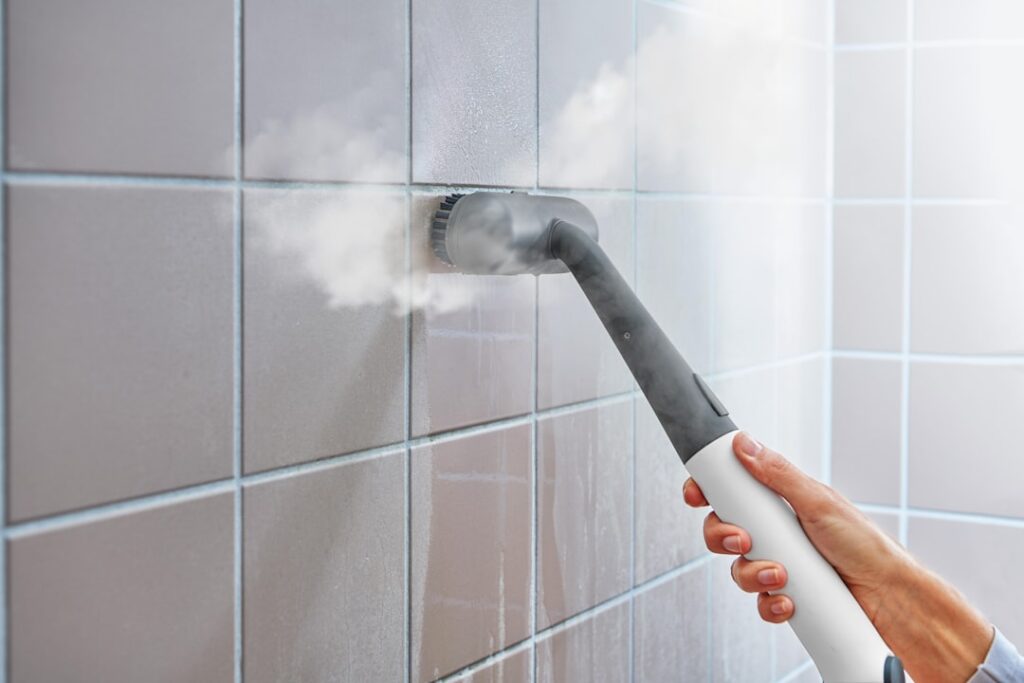
A steam cleaner heats water to around 200 to 250°F and forces pressurized steam through a nozzle or brush attachment. That heat and pressure loosen embedded dirt, dissolve grease, and kill mold and bacteria in the porous grout lines that mops just push around. You then wipe or vacuum away the loosened grime.
The big appeal is chemical-free cleaning. No bleach fumes, no residue, safe around kids and pets. For grout — which is essentially a sponge that traps everything — steam reaches into the pores in a way that surface cleaners cannot.
Where to Rent One
Tile and floor steamers are widely available to rent. Your main options:
- Home improvement stores (Home Depot, Lowe’s) — commercial floor steamers and steam cleaners by the day
- Tool rental yards (Sunbelt, United Rentals) — heavier commercial units
- Grocery and hardware kiosks — some carry consumer steam mops
- Local carpet/tile cleaning suppliers — professional-grade steamers
Call ahead to confirm the specific machine is a true steam cleaner with grout attachments, not just a steam mop, and reserve it, since these units are not always in stock.
What a Rental Costs
Rental pricing varies by machine size and region, but expect these general ranges:
- Consumer steam mop/cleaner: $30 to $50 per day
- Commercial floor steamer: $50 to $100 per day
- Heavy-duty vapor steamer: $75 to $150 per day
- Weekly rates: often 3 to 4 times the daily rate, a better deal for big jobs
Add a deposit that is refunded on return. For a single bathroom or a small kitchen, a one-day consumer rental at $30 to $50 is plenty. For a whole house of tile, a commercial unit for a day or a weekend makes more sense.
Rent vs Buy: The Real Math
This is the decision that trips people up. A decent home steam cleaner with grout attachments sells for $80 to $200 — often only two to four times the cost of a single day’s rental. If you have tile floors, tile showers, and plan to deep-clean grout even once or twice a year, buying pays for itself almost immediately and saves you the reservation and pickup hassle.
Rent instead if this is a one-time job — say you are prepping a house for sale or tackling years of neglected grout once — and you have no ongoing need. Buy if you have significant tile and want to keep grout maintained on a regular schedule. For most homeowners with more than one tiled room, buying a mid-range unit is the smarter long-term move.
When to Hire a Pro Instead
Sometimes neither renting nor buying is the answer. Professional tile and grout cleaning services use truck-mounted, high-pressure steam systems far more powerful than any rental and often follow up by resealing the grout. Expect to pay roughly $0.50 to $2 per square foot, or $150 to $500 for a typical job.
Hire out if the grout is severely stained, you have extensive high-end tile you do not want to risk, or you simply want the resealing done at the same time. For moderate grime and DIY-comfortable homeowners, a tile steamer rental or purchase delivers most of the result at a fraction of the cost.
How to Use a Tile Steamer Effectively
Technique makes the difference between a so-so result and a like-new floor. Follow this order:
- Sweep or vacuum thoroughly first — steam turns loose dirt into mud.
- Fill the reservoir with clean tap water (distilled if you have hard water) and let it heat fully, usually 5 to 10 minutes.
- Attach the small nylon or brass grout brush for grout lines, or the flat pad for tile faces.
- Work in small sections, running the brush along grout lines slowly to let the steam penetrate.
- Wipe up the loosened grime immediately with a microfiber cloth before it dries back down.
Do not rush. The heat needs a moment to work, and slow, deliberate passes over the grout beat fast scrubbing every time.
Cautions and Limits
Steam is powerful, so use it wisely. Avoid prolonged high-heat steam on unsealed natural stone like marble and travertine, which can be damaged by heat and moisture — test an inconspicuous spot first. Do not steam directly over cracked or loose grout, since the pressure can worsen it. And remember steam cleans but does not seal; after deep-cleaning cement grout, let it dry fully and reapply a penetrating grout sealer to keep the results.
Choosing the Right Machine
Not every steamer is built for grout, so match the machine to the job before you reserve one. A basic steam mop glides over sealed floors and freshens tile faces, but it lacks the concentrated nozzle pressure to blast grime out of grout lines. What you want for serious grout cleaning is a canister or vapor steamer with a detail nozzle and a small brush attachment, which directs high-pressure steam exactly into the joint.
When you call the rental counter, ask three questions: does it come with a grout brush and detail nozzle, what temperature and pressure does it reach, and how long does it run per fill. A unit that hits 200°F or more with a narrow brush attachment will outperform a bargain steam mop every time. For a whole house of tile, a larger commercial canister with a long run time saves you constant refilling.
Steam vs Chemical Cleaning
Steam’s biggest selling point is that it deep-cleans with plain water and no chemical residue, which is safer around kids, pets, and anyone sensitive to fumes. It also physically flushes grime out of the grout pores rather than just bleaching the surface color. For truly set-in stains, though, pairing a light oxygen-based grout cleaner with the steam can speed things up. The approach that fails is chemical alone with no agitation — spray-and-wipe products barely touch embedded grout grime, which is exactly the gap a steamer fills.
Bottom Line
A tile steamer is one of the most satisfying cleaning tools you can point at neglected grout, and it does the job with plain water instead of harsh chemicals. Rent one for a one-time deep clean at $30 to $100 a day, but if you own more than one tiled room, buying an $80-to-$200 unit almost always makes better financial sense. Reserve professional cleaning for severely stained grout or when you want resealing included. Whichever route you pick, sweep first, work slowly, and reseal the grout afterward to lock in that fresh, like-new look.
Prefer to explore on your own?
See how new flooring looks in your actual room in seconds — free, no signup.
Try the free Floor Studio →