Few flooring materials carry the warmth and history of fired clay, and teracotta tile has been underfoot in kitchens, courtyards, and farmhouses for centuries. The name comes from the Italian for “baked earth,” and that plainspoken description tells you most of what you need to know: this is natural clay, shaped and fired until it hardens into a durable surface with an unmistakable earthy glow. Homeowners love the color and character, but terracotta demands respect. Skip the sealing step or install it in the wrong room, and you will fight stains and moisture for years.
Part of our Tile & Grout guide — explore the full guide →
What Terracotta Tile Actually Is
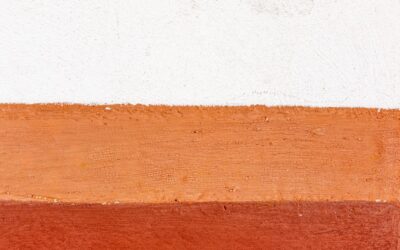
Terracotta is unglazed, low-fired clay. It bakes at roughly 1,000°F to 1,800°F, which is cooler than the kilns used for porcelain. That lower temperature leaves the clay porous, softer, and full of tiny air pockets, which is exactly why the tile feels warm and looks handmade. Colors range from pale peach and salmon to deep rust and burnt orange, and the shade depends on the iron content in the clay and the region it came from.
Because it is fired at a lower heat, terracotta absorbs water far more readily than glazed ceramic. A raw, unsealed piece can soak up 15% or more of its weight in moisture. That porosity is the single most important trait to understand before you buy, because it drives everything about installation and long-term care.
Machine-Made Versus Handmade Tiles
You will run into two broad categories when shopping. Knowing the difference helps you set realistic expectations for both look and budget.
- Machine-made (extruded): Pressed by machine into uniform sizes with crisp edges and consistent thickness, usually around 1/2 inch. These are easier to lay in neat grid patterns and cost less to install.
- Handmade (Saltillo and similar): Formed by hand, often sun-dried before firing, with irregular edges, varied color, and occasional imperfections like paw prints or pebble marks. Saltillo tile from Mexico is the best-known example. The charm is real, but the size variation means wider grout lines and more careful layout.
Neither is objectively better. Handmade tiles read as rustic and Old World; machine-made pieces suit cleaner, more contemporary layouts.
Where Terracotta Works Best
This tile shines in warm, dry, and casual spaces. Think Mediterranean kitchens, sunrooms, entryways, and covered patios in mild climates. The color pairs beautifully with wood beams, wrought iron, and plaster walls. In the Southwest and across California, terracotta is practically a regional signature.
Where it struggles is anywhere with standing water or hard freezes. An unsealed terracotta patio in Minnesota will crack when trapped moisture freezes and expands. Bathrooms and shower floors are risky unless the tile is sealed aggressively and the room is well ventilated. If you want the terracotta look in a wet or cold zone, a glazed porcelain tile that mimics the color is the safer call.
Sealing Is Not Optional
Raw terracotta will stain the first time someone spills red wine or drops a greasy pan. Sealing is the step that separates a floor you love from a floor you regret. Most installers apply a penetrating sealer before grouting, then a topical sealer or wax afterward.
- Penetrating sealer: Soaks into the clay and blocks moisture from within. Apply two to three coats on fresh tile, letting each dry fully.
- Topical sealer or wax: Sits on the surface for extra stain protection and sheen. Boiled linseed oil is a traditional finish, though modern acrylic and polyurethane sealers are easier to maintain.
Budget for resealing every one to two years in high-traffic areas. A quick water test tells you when it is time: if a few drops darken the tile instead of beading up, the seal has worn thin.
Cost and Budgeting
Terracotta is competitively priced as a material, but labor and sealing add up. Expect these rough figures for planning:
- Machine-made tile: $2 to $8 per square foot for the tile itself.
- Handmade Saltillo: $3 to $12 per square foot, depending on origin and quality.
- Professional installation: $8 to $15 per square foot including labor, thinset, grout, and sealer.
A 200-square-foot kitchen might land between $2,200 and $4,600 installed. The sealing supplies alone can run $100 to $300 for a room that size, so factor those into any DIY estimate.
Installation Basics
Terracotta goes down over a clean, flat, structurally sound subfloor using a quality thinset mortar. Because handmade tiles vary in size, most pros dry-lay a section first to plan spacing and blend colors from multiple boxes. Grout lines of 1/2 inch to 5/8 inch are common with rustic tile, which helps absorb the size differences.
The tricky part is timing the sealer. Many installers pre-seal the tile face before grouting so the porous clay does not grab grout haze and stain permanently. Grout haze on unsealed terracotta is nearly impossible to remove, so this precaution matters. If you are hiring out the job, confirm the crew has real terracotta experience, not just generic tile work.
Cleaning and Everyday Care
Once sealed, terracotta is easy to live with. Sweep or vacuum regularly to keep grit from scratching the wax, and damp-mop with a pH-neutral cleaner. Steer clear of vinegar, bleach, and acidic or ammonia-based products, which strip sealers and etch the clay.
Wipe spills quickly, especially oil, wine, and citrus. For a waxed floor, an occasional buff restores shine, and you can strip and reapply wax every few years rather than resealing the tile itself. With sensible habits, a terracotta floor develops a patina that many owners consider the whole point.
Terracotta Versus Look-Alike Porcelain
Manufacturers now make porcelain tiles printed to mimic terracotta, and the comparison is worth understanding before you commit to the real thing. The porcelain versions capture the warm color and even some of the surface texture, but they behave nothing like fired clay underneath.
- Maintenance: Real terracotta needs sealing and periodic resealing; terracotta-look porcelain needs none.
- Moisture and freeze: Porcelain shrugs off water and freeze-thaw cycles, so it works in bathrooms, showers, and cold-climate patios where raw clay would fail.
- Consistency: Porcelain arrives uniform in size and thickness; genuine terracotta varies, especially handmade Saltillo.
- Character: Nothing fully replaces the warmth, subtle imperfection, and patina of actual baked clay.
If you want the terracotta look in a demanding space, porcelain is the practical answer. If you want the genuine article and the character that comes with it, accept the sealing routine and place the tile where it can thrive.
Common Mistakes to Avoid
Most terracotta regrets trace back to a few avoidable errors. Skipping the pre-grout sealer is the biggest one, because grout haze on raw clay is nearly permanent. Using acidic or ammonia-based cleaners strips the sealer and dulls the surface over time, so keep those off the floor entirely. Installing unsealed terracotta in a freezing outdoor location invites cracking as trapped water expands. And laying handmade tiles with tight grout lines fights their natural size variation, which looks forced and leaves you with uneven joints. Plan for wider joints, seal early and often, and match the tile to the right room, and you sidestep nearly every problem people run into.
Is Terracotta Right for You?
Choose terracotta if you want warmth, character, and a material that ages gracefully, and if you accept the maintenance that comes with a porous natural product. It rewards homeowners who enjoy a bit of upkeep and a lived-in aesthetic. If you need a set-and-forget floor for a busy, wet, or freezing environment, a porcelain look-alike will give you the color without the fuss. Understand the sealing commitment up front, match the tile to the right room, and terracotta will reward you with decades of rustic beauty.
Prefer to explore on your own?
See how new flooring looks in your actual room in seconds — free, no signup.
Try the free Floor Studio →