Long, narrow spaces are notoriously hard to decorate. Hallways feel like afterthoughts, and galley kitchens can read cold and utilitarian. The fix is often simpler and cheaper than people expect. A terracotta runner rug brings a warm, earthy burst of color to exactly the kind of overlooked space that needs it most, softening hard floors and pulling a neutral room together. This clay-inspired hue has surged in popularity for good reason, and choosing the right one comes down to size, material, and how it fits your palette.
Why Terracotta Is Having a Moment
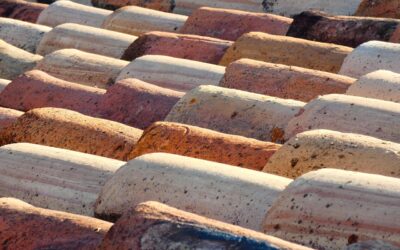
Terracotta borrows its name and warmth from fired clay, landing somewhere between rust, burnt orange, and clay brown. It feels grounded and organic, which is why it’s everywhere in modern boho, Mediterranean, Southwestern, and warm-minimalist interiors. Unlike a bright orange, terracotta is muted and sophisticated, so it adds color without shouting.
The color also plays beautifully with the natural materials that are dominating interiors right now: rattan, jute, aged wood, and greenery. Set a terracotta runner against a white or greige hallway and it instantly makes the space feel more finished and inviting.
Where a Terracotta Runner Works Best
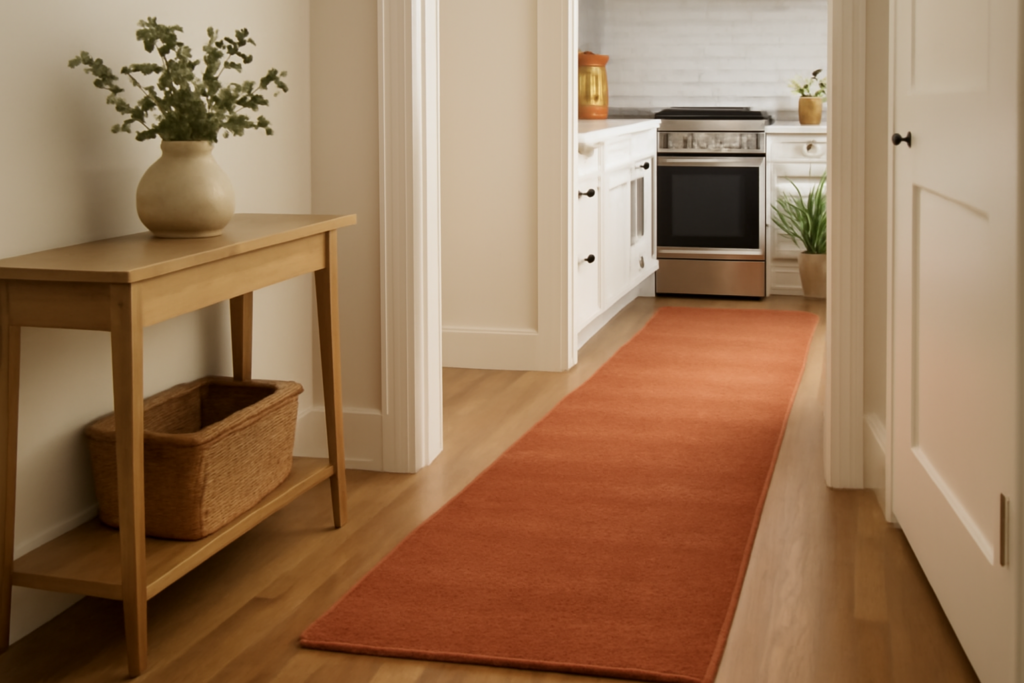
Runners are built for transitional and narrow spaces, and terracotta’s warmth makes them especially welcoming.
- Entryway and hallway: the classic use. A runner guides the eye down a long corridor and warms up an otherwise blank passage.
- Kitchen: laid in front of the sink or along a galley, it cushions your feet and adds color to a room dominated by cabinets and appliances.
- Bathroom: a smaller runner adds warmth against cold tile, though you’ll want a washable option here.
- Bedside: a runner on each side of the bed is a stylish alternative to one large rug.
Choosing the Right Size
Runners come in standard widths of roughly 2 to 3 feet and lengths from 6 to 14 feet or more. Getting the proportions right is what separates a polished look from a cramped one. Leave 4 to 5 inches of bare floor on each side of the runner so it frames the space rather than filling it wall to wall. In a hallway, aim for the runner to stop about 18 to 24 inches short of each end rather than running the entire length. In a kitchen, measure your run and leave breathing room at the counters and appliances. When a single runner won’t reach, two shorter runners placed end to end often look more intentional than one stretched too thin.
Material and Durability
Runners live in high-traffic zones, so material choice is about durability as much as looks. The best option depends on where the rug will go and how much abuse it will take.
- Wool: durable, soft, naturally stain-resistant, and holds terracotta dye beautifully. Ideal for hallways, though pricier.
- Cotton and washable blends: perfect for kitchens and bathrooms where spills happen. Many toss right in the machine.
- Polypropylene: budget-friendly, easy to clean, and resistant to moisture and fading. Great for high-traffic entryways.
- Jute and natural fibers: add texture and lean into the earthy vibe, but they’re harder to clean and not ideal near water.
For a busy kitchen, the better choice is a low-pile washable cotton or synthetic runner. It handles dropped food and foot traffic without becoming a chore.
Styling a Terracotta Runner
Terracotta is warm and saturated, so surround it with colors that let it breathe. It pairs naturally with creams, whites, warm woods, and soft greens. For a boho look, layer in rattan furniture, hanging plants, and woven baskets. For a Southwestern feel, pick a runner with a geometric or tribal pattern in terracotta, cream, and charcoal.
If your walls are cool gray or crisp white, a terracotta runner adds the warmth those palettes often lack. Just be mindful of undertones elsewhere; terracotta clashes with cool pinks and bright blues but sings alongside olive, mustard, navy, and deep teal used sparingly as accents. A patterned runner hides dirt and foot traffic better than a solid, which is a bonus in a busy hallway.
The Rug Pad Rule
Never skip a non-slip pad under a runner, especially in a hallway or kitchen. A runner on a hard floor without a pad is a trip hazard that slides with every step. A quality gripper pad keeps it in place, adds cushioning underfoot, and protects both the rug and the floor from wear. For washable runners, choose a thin, low-profile pad that won’t add bulk. This small addition dramatically extends the life of the rug and makes the whole space safer.
Cleaning and Maintenance
Because runners sit in the highest-traffic parts of the home, regular care keeps them looking fresh. Vacuum at least weekly to remove grit. Blot spills immediately with a clean cloth, working from the edges inward. For washable cotton runners, follow the label and wash on a gentle cycle with cold water, then air dry to prevent shrinkage. Wool runners should be spot-cleaned with a wool-safe product and professionally cleaned every year or two.
Terracotta hides dirt reasonably well thanks to its mid-tone depth, but sunlight can fade any rich color over time. Rotate the runner end to end every few months so it fades and wears evenly, particularly if it sits near a sunny window or a glass door.
Patterns and Weaves That Suit Terracotta
Terracotta looks right at home in a range of weaves, and the style you pick reinforces the mood you’re after. Flatweave and kilim runners with geometric or diamond motifs lean Southwestern and boho, mixing terracotta with cream, charcoal, and mustard for a lively, layered look. These low-profile weaves are also practical, since they’re thin, easy to vacuum, and simple to shake out or wash.
For a softer, more traditional feel, a distressed or vintage-style Persian runner in faded terracotta and rust tones brings age and character to an entryway or hallway. Medallion and floral patterns in these warm tones read timeless rather than trendy. If your style is more minimalist, a solid or subtly textured terracotta runner keeps things clean and lets the color do the talking, though a solid shows footprints and dirt more readily than a busy pattern.
Tufted and higher-pile runners add plush comfort underfoot, which is welcome beside a bed or in a spot where you stand a lot, like in front of a kitchen sink. Just remember that deeper pile traps more debris and is harder to clean in a high-traffic zone, so reserve it for lower-traffic placements and choose a durable flatweave where the foot traffic is heaviest.
Is a Terracotta Runner Right for You?
If you have a long, narrow, or cold-feeling space that needs warmth and personality, a terracotta runner rug is one of the easiest and most affordable upgrades available. Choose a durable, washable material for kitchens and entryways, size it to leave a margin of bare floor on each side, and anchor it with a non-slip pad. Style it against neutral walls with natural textures, and you’ll turn a forgettable hallway or plain kitchen into one of the warmest spots in the house.