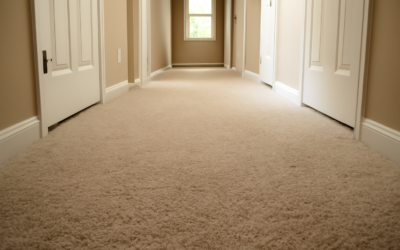
A hallway is the busiest stretch of floor in most homes, absorbing every trip from the bedroom to the kitchen, yet it is the space we decorate last. The right carpet runners for hallways solve two problems at once: they shield hardwood and tile from wear while muffling the constant thud of foot traffic. Choosing well comes down to three things most shoppers skip over, correct sizing, the right material for the traffic, and a backing that will not slide. Get those right and a runner transforms a bare corridor into the most welcoming part of the house.
- Why a Hallway Runner Earns Its Keep
- Measuring for the Right Size
- Choosing the Right Material
- Non-Slip Backing Is Not Optional
- Color, Pattern, and Style
- Installation Tips
- Pile Height and Construction
- Runners for Stairs and Transitions
- Keeping Your Runner Looking New
- Sizing Long Runner Rugs for Extended Hallways
Why a Hallway Runner Earns Its Keep
Hallways funnel everyone through a narrow path, concentrating wear into a few square feet. A runner takes that abuse instead of your finished floor, sparing the high-traffic lane from scuffs and scratches that would otherwise need refinishing.
Beyond protection, a runner softens sound. Hard floors bounce footsteps and echo through the house, while a layer of carpet absorbs that noise, a meaningful benefit in two-story homes where the hall sits above a bedroom or living room.
Measuring for the Right Size
Sizing is where most hallway runners go wrong. A runner that is too wide looks crammed, while one that is too narrow looks like an afterthought.
Aim to leave 4 to 6 inches of bare floor showing on each side of the runner. For a typical 36-inch-wide hallway, that points you toward a runner 24 to 27 inches wide. For length, leave a gap of a few inches at each end rather than running the carpet wall to wall, which keeps the look intentional.
- Standard widths: 2 to 3 feet
- Common lengths: 6, 8, 10, 12, and 14 feet
- Long corridors: place two runners end to end with a small gap rather than one undersized piece
Choosing the Right Material
The material decides how the runner ages under daily traffic. Match the fiber to how hard the hallway works.
- Wool: naturally durable, soft, and stain resistant, the premium choice that hides wear well
- Nylon: tough, resilient, and budget-friendly, excellent for high-traffic family halls
- Polypropylene (olefin): moisture and fade resistant, easy to clean, ideal near entries
- Jute and sisal: natural texture and rustic looks, but harder underfoot and less forgiving of moisture
For a hallway that sees shoes, pets, and kids, a low-pile nylon or wool blend balances comfort with longevity. Low pile also matters here, since a thick, plush runner becomes a tripping hazard and is harder to vacuum in a tight space.
Non-Slip Backing Is Not Optional
A runner that slides is a runner that sends someone to the floor. In a hallway, where people move quickly and often, a secure grip is a safety requirement rather than a nicety.
Some runners come with a built-in rubber or latex backing that grips the floor. If yours does not, lay a separate non-slip rug pad underneath. A quality pad adds cushioning, protects the finish on hardwood, and keeps the runner from creeping toward one end over weeks of traffic. On smooth tile or polished wood, never skip the pad.
Color, Pattern, and Style
Hallways are usually short on natural light, so color choice has an outsized effect. Light, neutral runners brighten a dim corridor, while busy patterns hide dirt and footprints between cleanings.
A patterned runner with multiple tones is the practical favorite for high-traffic homes, since it disguises the inevitable spills and shoe marks that a solid cream runner would broadcast. Runners with a strong lengthwise pattern, like stripes or a runner border, also visually elongate the hallway, making a cramped passage feel longer and more deliberate.
Installation Tips
Most hallway runners simply lay loose over a non-slip pad, no tools required. Center the runner, smooth out any ripples, and let it settle for a day so creases from packaging relax.
For a permanent look in a heavily used corridor, some homeowners add metal stair-runner rods or carpet tape at the corners. If you go the tape route, use a removable rug tape rated for your floor type so you do not pull up finish when you eventually replace the runner. Trim any excess length with a sharp utility knife and a straightedge if you bought a roll runner cut to fit.
Pile Height and Construction
How a runner is built affects how it wears in a high-traffic hallway. Pile height and weave determine durability, comfort, and how easy the runner is to keep clean.
- Low pile and flat weave: the best choice for hallways, durable, easy to vacuum, and the least likely to trip on
- Loop pile (Berber style): tough and hides footprints, though pets can snag the loops
- Cut pile: softer and plusher, but shows wear paths faster in a narrow corridor
- Hand-knotted and woven: premium construction that lasts decades and develops character with age
For a busy family hallway, a tightly woven low-pile runner balances longevity with looks. Save the plush cut pile for a quiet hallway that does not see daily heavy traffic, since deep pile flattens and shows a path where everyone walks.
Runners for Stairs and Transitions
Many hallways connect to stairs, and a coordinated runner ties the whole circulation path together. If you plan to run carpet up a staircase as well, choose a runner sold in a continuous roll so the hallway and stairs match.
Stair runners are typically secured with a non-slip pad plus tackless strips or decorative stair rods, since a loose runner on stairs is a serious fall hazard. Where the hallway meets a different floor surface, a low-profile runner avoids a tripping lip at the transition. Plan these connections before buying, because matching dye lots later is difficult and a mismatched seam between the hall and stairs is hard to hide. Measuring the stairs and hallway together and ordering from one roll saves headaches and produces a seamless, finished look throughout the home’s main traffic path.
Keeping Your Runner Looking New
Vacuum the runner at least weekly, more often in a pet household, to keep grit from grinding down the fibers. Rotate the runner end for end every few months so wear spreads evenly instead of carving a path in the middle.
Blot spills immediately rather than rubbing, which pushes liquid deeper into the pile. For deeper cleaning, most synthetic runners tolerate a gentle carpet shampoo, while wool and natural fibers prefer professional cleaning to avoid shrinkage. With routine care and a good pad underneath, a quality hallway runner will protect your floors and stay handsome for many years.
Sizing Long Runner Rugs for Extended Hallways
Long runner rugs make sense when a corridor stretches well past the common 8 or 10 foot lengths. Getting them right is mostly simple math: measure the hall, subtract a border, and decide whether one piece or two will fit the space better. A few minutes with a tape measure prevents the two classic mistakes, a runner that stops short in the middle of the hall and one that climbs into a doorway.
Do the Length Math First
Measure the hallway from the finished wall or door threshold at one end to the other. Subtract 6 to 12 inches from each end so the runner stops short of walls, door swings and floor vents. For a 16 foot hall, that leaves a target of roughly 14 to 15 feet. If a bedroom or closet door opens across the hall, measure where the door sweep lands and keep the runner end clear of it, or confirm the door clears the pile with room to spare.
Work Out the Width
Measure the hallway width and subtract a border of bare floor on both sides. A narrow 36 inch hall usually looks best with a runner around 26 to 30 inches wide, while a wider 42 to 48 inch hall can carry a 30 to 36 inch runner. The goal is an even strip of flooring along each wall that frames the rug. Keep that border consistent along the full length, since walls are rarely perfectly straight and a runner that drifts toward one side looks crooked.
Joining Two Runners
When a single runner in the length you need is hard to find, two matching runners laid end to end can cover a long corridor. Buy both at the same time from the same batch so color and pattern match. You can leave a small, deliberate gap of a few inches, which reads as intentional, or butt the ends tightly and join them underneath with rug seaming tape made for the purpose. Place any seam away from a doorway where people turn and scuff.
Pads for Landings and Transitions
A long runner creeps more than a short one, since every step pushes it a little further along the hall. Use a non-slip pad cut an inch or so smaller than the runner on every side, running the full length. At the top or bottom of a staircase, pay extra attention. A runner on a landing must lie completely flat and stay put, with the end placed well back from the stair nosing so no one steps onto a loose edge at the top of the stairs. On a landing, a pad plus secured corners is worth the effort, and any runner continuing onto the stairs themselves should be installed with proper stair fastening rather than laid loose.