Long, narrow spaces are tricky to decorate, and a bare hallway floor can feel cold and unfinished. A jute runner rug solves that with warm, organic texture and an earthy neutral tone that pairs with almost any decor, from coastal to farmhouse to modern. Woven from the fibers of the jute plant, these runners bring sustainable, biodegradable material into your home at a friendly price. But jute has quirks worth understanding before you roll one out in a high-traffic zone. Here is the practical guide.
What Jute Actually Is
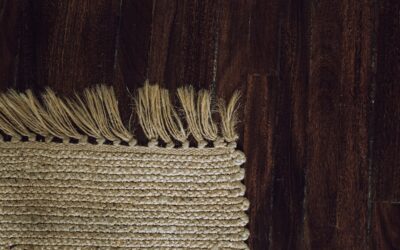
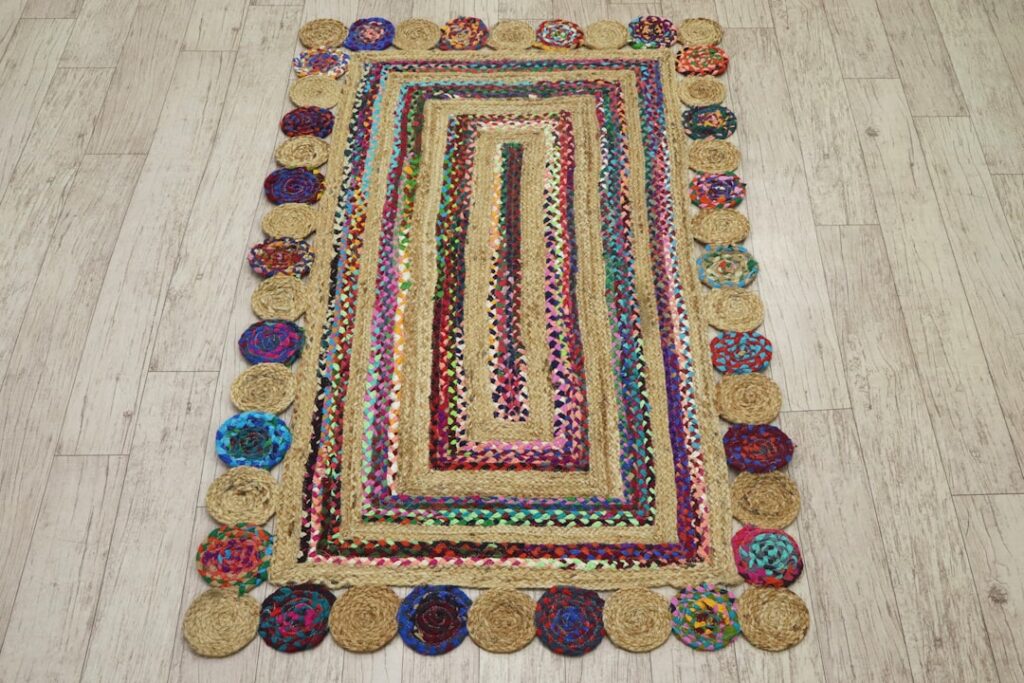
Jute is a plant fiber harvested from the stalks of the jute plant, grown mostly in South Asia. It is spun into soft, ropey strands and woven into rugs with a characteristic chunky, natural look. Among natural-fiber rugs, jute is the softest underfoot, softer than sisal or seagrass, which makes it pleasant for spaces where you might stand or walk barefoot.
That softness comes with a trade-off in durability, which is the central thing to weigh. Jute is renewable and biodegradable, an appealing eco-friendly choice, but it is not the toughest natural fiber on the market.
Where a Jute Runner Works Best
Placement makes or breaks a jute runner. It excels in spots that see foot traffic but stay dry and clean.
- Hallways: The classic use, adding warmth and muffling footsteps in a narrow corridor.
- Bedrooms: Alongside a bed or at the foot, where traffic is light and feet are bare.
- Living rooms: As a layered base under furniture or a textured accent.
- Reading nooks and dressing areas: Low-traffic, dry spaces that show off the texture.
Where jute struggles is moisture. Keep it away from bathrooms, entryways exposed to rain, kitchens prone to spills, and outdoor spaces, because jute absorbs water, can develop mildew, and may release brownish stains when wet.
The Durability Question
Jute holds up reasonably well in moderate-traffic hallways but is not built for the heaviest abuse. In homes with pets that scratch or households with constant heavy traffic, the fibers can shed and wear over time. For tougher needs, sisal is more abrasion-resistant, though it is rougher underfoot.
A practical strategy is to use jute where its softness matters and traffic is manageable, and to choose a tighter, flat-weave jute for the most durability. Thicker, looser weaves feel plush but tend to shed and crush more readily.
Sizing a Runner Correctly
A runner that is the wrong size throws off a whole hallway. As a guideline, leave roughly 4 to 5 inches of bare floor visible on each side of the runner so it looks intentional and framed rather than wall-to-wall. For length, the runner should not run the entire hall to the baseboards; leaving 8 to 18 inches of floor at each end keeps the proportions balanced.
Common runner widths land around 2 to 3 feet, with lengths from 6 feet up to 12 feet or longer. Measure your space, subtract the side and end margins, and choose the closest standard size, or order a custom length for an exact fit.
The Rug Pad Is Not Optional
Jute runners can slide on hard floors, creating a slip hazard in exactly the high-traffic hallways where they are most used. A quality non-slip rug pad cut to size keeps the runner planted, adds a touch of cushioning, and protects the floor underneath. The pad also reduces wear on the rug’s backing by absorbing some of the friction from foot traffic.
On carpet, a pad designed for carpet-over-carpet use prevents the runner from creeping. Skipping the pad is the most common reason a jute runner bunches, shifts, and wears out faster than it should.
Cleaning and Care
Jute care centers on keeping it dry. Vacuum regularly using suction only, ideally with the beater bar off or raised, since aggressive brushing pulls and frays the natural fibers. Vacuuming both the top and occasionally the back removes the grit that grinds down fibers over time.
For spills, act fast and blot, never rub, with a dry cloth, then a barely damp one if needed. Avoid soaking the rug, because too much water causes those telltale brown watermarks and can lead to mildew. For dry stains, a sprinkle of baking soda left to absorb odors and then vacuumed away works well. Skip steam cleaning and heavy wet shampooing; when a jute runner needs deep cleaning, a professional experienced with natural fibers is the safe bet.
Jute vs. Other Natural Fibers
Jute is one of several plant-fiber rug options, and knowing how it compares helps you choose for your specific spot. Sisal is harder and more abrasion-resistant, making it tougher for high traffic, but it is rougher underfoot and can feel scratchy to bare feet. Seagrass is smooth, naturally stain-resistant, and slightly water-tolerant, though it takes dye poorly and stays in natural tones.
- Jute: Softest underfoot, warm color, best for low-to-moderate dry traffic.
- Sisal: Most durable, coarser feel, good for busy areas but not bare feet.
- Seagrass: Smooth and somewhat moisture-tolerant, limited color range.
For a hallway where comfort and warmth matter and traffic is manageable, jute is usually the most pleasant choice. For a punishing entry or a spot near moisture, one of the alternatives may serve better.
Buying a Quality Jute Runner
Not all jute runners are made equally, and a few signs point to better construction. A tight, dense weave generally sheds less and wears longer than a loose, chunky one, even though the chunkier weave feels more dramatic. Run your hand over a sample; excessive loose fibers suggest more shedding ahead.
Check the backing as well. Some jute runners have a latex or cotton backing that adds stability and reduces shedding from the underside, while others are unbacked and benefit even more from a separate rug pad. Consider whether the runner is reversible, which can extend its life by letting you flip it once one side shows wear. A little scrutiny at purchase pays off in years of use.
Styling Tips
Jute’s neutral, sandy tone is a designer’s friend because it grounds a space without competing. Layer a smaller patterned rug over a jute runner for depth, or let the jute stand alone for a clean, textural look. It pairs beautifully with wood floors, rattan furniture, and plants, reinforcing a natural, relaxed aesthetic.
Used in the right spot with a good pad and gentle care, a jute runner rug brings affordable, sustainable warmth to the hardest-to-decorate spaces in the house. Respect its dislike of water, vacuum it regularly, and it will soften your hallways for years.