Rustic tile is the look people reach for when a room feels too new, too flat, or too cold. Earthy tones, irregular edges, and a surface that shows the hand of the maker give a floor warmth that polished slab tile simply cannot fake. It reads old-world, farmhouse, Mediterranean, or Southwestern depending on the material and color you choose.
Part of our Tile & Grout guide — explore the full guide →
The category covers everything from fired terracotta to tumbled stone to porcelain that mimics both. Knowing what each one is, and what it asks of you, keeps you from buying a beautiful floor that becomes a maintenance headache.
What Counts as Rustic Tile
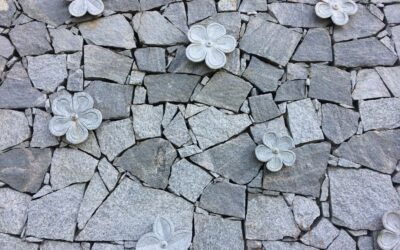
The defining trait is irregularity. Where a contemporary tile aims for perfectly square edges and uniform color, rustic tile leans into variation: shade shifts across the batch, slightly rounded or chipped edges, and surface texture you can feel underfoot. That visual noise hides dirt, scratches, and the wear of a busy household far better than a glossy, single-color tile.
Most rustic tile falls into a handful of families, and they behave very differently once installed.
The Main Types
- Terracotta: Fired clay in warm orange-brown tones. Naturally porous, so it must be sealed, but it ages into a rich patina. Saltillo from Mexico is the classic example.
- Natural stone: Tumbled travertine, slate, and limestone bring genuine texture and color depth. Stone needs periodic sealing and is sensitive to acids like vinegar and lemon.
- Rustic porcelain: Printed and textured to imitate terracotta, wood, or stone. It is the low-maintenance choice, since porcelain is dense, frost-resistant, and usually needs no sealing.
- Handmade ceramic: Often used on walls and backsplashes, with visible glaze pooling and uneven edges that catch the light.
For a busy kitchen or an entry that sees wet boots, a quality rustic porcelain delivers the charm without the upkeep. For a sunroom or a period home where authenticity matters, real terracotta or stone earns its keep.
Where Rustic Tile Works Best
This material shines in spaces where you want texture and forgiveness. Kitchens benefit because dropped crumbs and the odd scuff disappear into the varied surface. Entryways and mudrooms handle grit and moisture well, especially in porcelain. Bathrooms, patios, and covered porches all suit rustic looks, though outdoors you want a frost-rated, slip-resistant tile.
Pair it with warm wood cabinetry, exposed beams, wrought iron, or plaster walls and the whole room settles into a cohesive, lived-in feel. Against ultra-modern gloss finishes the contrast can feel jarring unless that tension is the point.
Cost and What Drives Price
Pricing spans a wide range because the materials do. Use these as planning estimates, not quotes:
- Rustic porcelain: roughly $3 to $8 per square foot for the tile.
- Terracotta and Saltillo: roughly $2 to $7 per square foot, plus sealing labor.
- Tumbled natural stone: roughly $5 to $15 per square foot, sometimes more for premium travertine or slate.
Professional installation typically adds about $5 to $12 per square foot depending on layout complexity, subfloor prep, and whether sealing is included. Irregular handmade tiles take longer to set than calibrated porcelain, which nudges labor up. Always order 10% to 15% extra to cover cuts, breakage, and future repairs from the same dye lot.
Installation Notes
Rustic tile installs like other tile, with a few wrinkles worth knowing before the mortar comes out.
- Start with a flat, sound subfloor. Variation in tile thickness, common with handmade and stone, means a wavy substrate will telegraph through.
- Dry-lay several boxes first. Because color varies tile to tile, you blend from multiple boxes as you go to avoid blotchy clusters.
- Use wider grout joints. Irregular edges look best with 1/4-inch to 1/2-inch joints rather than the tight lines suited to rectified tile.
- Back-butter large or uneven tiles for full coverage and fewer hollow spots.
- Choose grout color thoughtfully. A tone close to the tile keeps it seamless; a contrasting grout emphasizes the handmade grid.
Cutting natural stone and dense porcelain calls for a wet saw with the right blade. If your layout includes diagonal patterns, herringbone, or a lot of cuts around cabinets, this is a reasonable job to hand to an experienced tile setter.
Sealing and Maintenance
This is the single biggest difference between rustic tile types. Porous materials drink in spills and stains unless they are sealed, while porcelain shrugs them off.
- Terracotta and natural stone need a penetrating sealer at installation, and most benefit from resealing every one to three years depending on traffic. Always follow the sealer manufacturer’s instructions and ensure good ventilation while applying, since many solvent-based sealers carry strong fumes.
- On stone, skip acidic cleaners. Vinegar, lemon, and many bathroom sprays etch limestone, travertine, and marble. Use a pH-neutral stone cleaner instead.
- Porcelain needs only routine sweeping and damp mopping. The grout, however, still benefits from a grout sealer to resist staining.
Day to day, sweep or vacuum grit so it does not act like sandpaper, and wipe spills before they sit. A walk-off mat at exterior doors dramatically cuts the abrasive dirt that dulls any floor.
Pros and Cons at a Glance
The upside is real: rustic tile is durable, hides wear, suits many design styles, and works on floors, walls, and counters. Porcelain versions are nearly maintenance-free and rated for moisture and freeze-thaw outdoors.
The trade-offs are worth naming too. Natural materials demand sealing and gentle cleaners. The hard, sometimes uneven surface is cold and unforgiving underfoot, so radiant heat or rugs help in living spaces. And the very irregularity that makes it beautiful makes installation a touch slower and more skill-dependent than uniform tile.
Weigh how much upkeep you want against how much authenticity you crave. If you love the terracotta look but not the resealing, today’s rustic porcelain gets you remarkably close with almost none of the work. If only the real thing will do, budget the time and the sealer, and a genuine clay or stone floor will reward you for decades.
Prefer to explore on your own?
See how new flooring looks in your actual room in seconds — free, no signup.
Try the free Floor Studio →