The Pinterest version of a Tuscan farmhouse or Spanish hacienda almost always features the same element underfoot — irregular, warm-toned tile with chipped edges and color variation that no factory-perfect product could replicate. Real rustic tile flooring is back in a big way for kitchens, mudrooms, sunrooms, and entire main floors, and the materials available now span everything from genuine handmade Mexican terracotta to digitally printed porcelain that mimics 200-year-old French limestone for a quarter the cost. Picking between the authentic options and the lookalikes comes down to budget, traffic, and how much daily maintenance you’ll tolerate.
Part of our Tile & Grout guide — explore the full guide →
- The Five Main Rustic Tile Categories
- Saltillo: The Original Rustic Floor
- Tumbled Travertine
- Slate: The Mountain Look
- Distressed Porcelain: The Modern Workhorse
- Reclaimed Antique Tile
- Grout Choices That Make or Break the Look
- Where Rustic Tile Excels
- Where It Doesn’t Work
- Installation Realities
- Maintenance Realities
- Pros and Cons of Rustic Tile Flooring
The Five Main Rustic Tile Categories
- Saltillo and handmade terracotta: sun-baked Mexican clay, $3-$7/sq ft, requires sealing
- Tumbled travertine: rough-edged natural stone, $5-$10/sq ft, classic Tuscan look
- Slate: cleft-finish natural stone, $5-$12/sq ft, dramatic color variation
- Distressed porcelain: printed and textured to mimic aged tile, $4-$9/sq ft, low maintenance
- Reclaimed antique tile: salvaged from European farmhouses and convents, $15-$40/sq ft
Saltillo: The Original Rustic Floor
Genuine Saltillo tile is hand-formed in Saltillo, Mexico, then sun-dried and fired in low-temperature kilns. The result is a tile with paw prints, leaf imprints, fingerprints, and color variation from terracotta orange to dusty pink. Sold in 12×12, 16×16, and Super Saltillo (12×16 hexagons) at $3-$7 per square foot.
Saltillo absorbs everything — water, wine, oil, dirt — so it must be sealed before grouting and resealed every 2-3 years. The ritual of resealing is part of owning a Saltillo floor; it’s not a maintenance-free option. Done right, the floor develops a patina that’s impossible to fake.
Tumbled Travertine
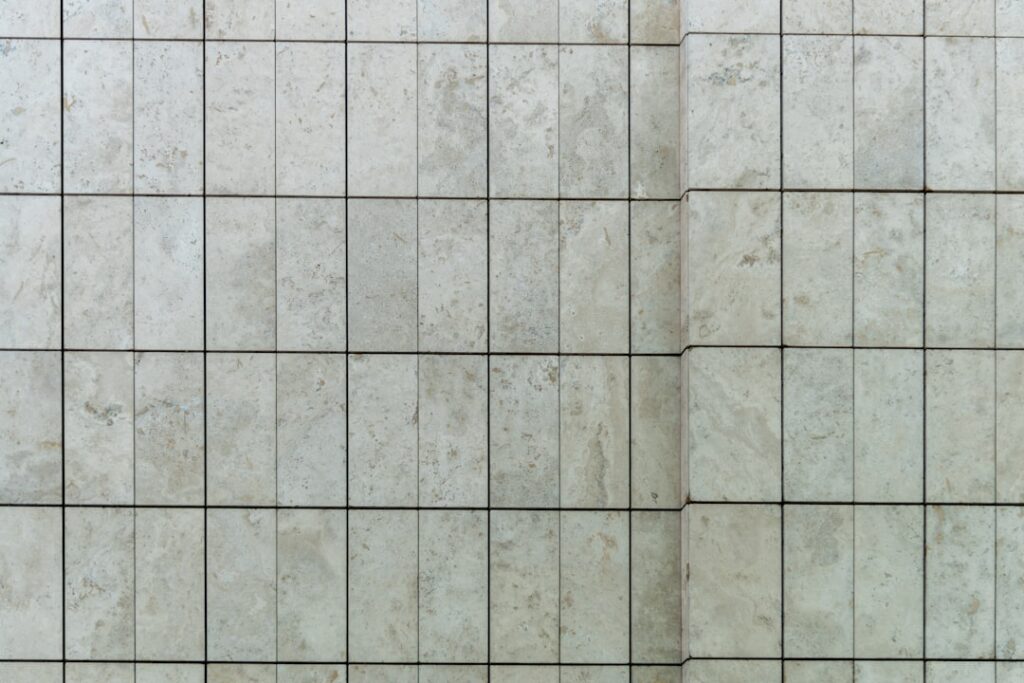
Travertine forms when calcium carbonate precipitates from spring water — Italy and Turkey are the major sources. Tumbled travertine has its sharp edges knocked off in a tumbler with stones and water, producing softly chipped corners and a worn look. Color ranges from ivory and walnut to gold and noce.
Travertine is porous and must be sealed with a penetrating sealer (Aqua Mix Sealer’s Choice Gold, Miracle 511) before grouting. Reseal every 3-5 years. Avoid acidic cleaners — vinegar, lemon, and orange products etch the stone permanently.
Slate: The Mountain Look
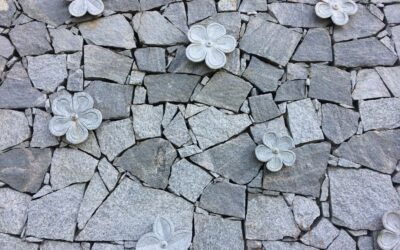
Slate has natural cleft texture from being split along its grain. Indian, Brazilian, Chinese, and African slate all have distinct color profiles — multicolor copper and rust from India, charcoal black from China, deep purple-green from Vermont quarries.
For interior floors, choose gauged slate (uniform thickness) over ungauged. The price difference is $2-$3 per square foot but the labor savings during installation cover that easily. Sealing is mandatory; an unsealed slate floor stains within hours.
Distressed Porcelain: The Modern Workhorse
The biggest change in rustic tile flooring over the last decade is the rise of distressed porcelain that genuinely fools the eye. Mediterranea, Atlas Concorde, and Ragno produce porcelain in 8×8, 12×12, and 12×24 sizes that mimic aged terracotta, weathered limestone, and 100-year-old farmhouse plank with chipped edges, color variation, and surface texture pressed into the tile.
Cost runs $4-$9 per square foot, install adds $5-$8 per square foot. Unlike natural stone, porcelain doesn’t require sealing, doesn’t etch from acids, and shrugs off red wine spills that would permanently mark travertine.
Reclaimed Antique Tile
For the most authentic rustic floor money can buy, reclaimed European tile salvaged from 18th- and 19th-century farmhouses is unbeatable. Importers like Exquisite Surfaces, Paris Ceramics, and Chateau Domingue stock genuine antique terracotta and limestone at $15-$40 per square foot.
Plan on 15-25% waste because pieces vary in size and condition. Plan also on hiring an installer experienced with antique tile — modern installers used to perfect lippage tolerances are sometimes unprepared for tiles that vary 1/4 inch in thickness within a single batch.
Grout Choices That Make or Break the Look
Rustic tile sets with wider grout joints than modern tile — typically 3/8 to 1/2 inch instead of 1/8 inch. Color matters enormously:
- Off-white grout makes terracotta look modern and fresh
- Tan, beige, or warm gray grout produces the most authentic farmhouse look
- Charcoal grout makes light tile pop dramatically (high-contrast modern interpretation)
- Custom-tinted grout matched to the tile produces a seamless, pattern-emphasizing surface
Use a high-quality unsanded grout (Mapei Keracolor U) for joints under 1/8 inch and sanded grout for wider joints. Premium urethane grouts (Bostik TruColor RapidCure, Mapei Flexcolor CQ) cost more but eliminate sealing forever.
Where Rustic Tile Excels
Rustic tile shines in kitchens with farmhouse sinks, mudrooms with worn shaker bench seating, sunrooms with rattan furniture, three-season porches, and entire main floors of Spanish revival, Tuscan, French country, and Southwest-style homes. The tile pairs beautifully with exposed wood beams, plaster walls, wrought iron, and antique furniture.
Where It Doesn’t Work
Pure modern, minimalist, and contemporary interiors clash with rustic tile — the visual texture and color variation reads as messy in spaces designed around clean lines. Heated floor zones do work with most rustic tile, but natural stone (especially slate) takes longer to warm up than porcelain.
Installation Realities
Rustic tile installation costs more than modern tile because tiles vary in size, thickness, and color. Plan for $7-$10 per square foot installed for porcelain rustic and $9-$15 per square foot installed for natural stone rustic. Subfloor must be flat to 1/8 inch in 10 feet, and uncoupling membranes (Schluter Ditra, Mapei Mapeguard UM) are required over wood subfloors to handle differential movement.
Acclimate natural stone tile 24-48 hours in the install room. Mix tiles from multiple boxes during installation to randomize color variation across the floor — picking from one box at a time produces obvious “patches” of darker or lighter tile.
Maintenance Realities
Sealed natural stone needs damp mopping with stone-safe cleaner (Aqua Mix Concentrated Stone & Tile Cleaner, Miracle Sealants 511) weekly. Reseal every 2-5 years depending on traffic. Porcelain needs only sweeping and damp mopping with any pH-neutral cleaner. Saltillo and reclaimed terracotta need annual paste-wax buffing if you want the deep glow.
Pros and Cons of Rustic Tile Flooring
Pros: warm character; ages beautifully; durable for 50+ years; works with radiant heat; hides dirt better than uniform tile; high-end visual at multiple price points.
Cons: harder underfoot than wood; cold without radiant heat; natural stone requires sealing; installation premium for irregular tiles; clashes with strict modern aesthetics.
Prefer to explore on your own?
See how new flooring looks in your actual room in seconds — free, no signup.
Try the free Floor Studio →