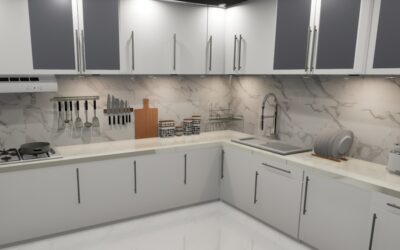
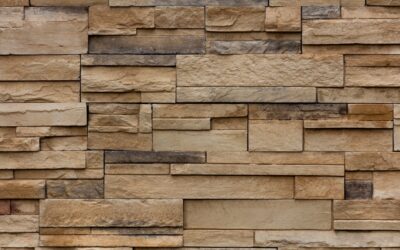
A rustic backsplash brings warmth, texture, and a lived-in charm to a kitchen that sleek, glossy surfaces simply cannot match. Think weathered brick, tumbled stone, reclaimed wood, and handmade tile with gentle imperfections, the kind of backdrop that makes a kitchen feel like the heart of a farmhouse or a cozy cottage. If your style leans toward natural materials and timeworn character, this is the look that ties it all together.
Part of our Kitchen Remodeling guide — explore the full guide →
This guide explores the best materials for a rustic look, design ideas that work, practical considerations behind the sink and stove, plus cost and care so your backsplash is as functional as it is beautiful.
- What Defines the Rustic Look
- Best Materials for a Rustic Backsplash
- Design Ideas That Work
- Where Rustic Materials Need Extra Thought
- Color and Grout Choices
- Installation Considerations
- What a Rustic Backsplash Costs
- Cleaning and Maintenance
- Matching the Backsplash to Your Whole Kitchen
- Final Thoughts
What Defines the Rustic Look
Rustic style celebrates natural materials, earthy colors, and texture over polish. Where a modern backsplash is uniform and reflective, a rustic one embraces variation: uneven surfaces, warm neutral and earth tones, visible grain or grout, and finishes that look aged or handcrafted. The goal is a backsplash that feels like it has always been there, grounding the kitchen with authenticity rather than shine.
Best Materials for a Rustic Backsplash
- Brick and brick-look tile: Real thin brick or porcelain brick-look tile delivers classic farmhouse warmth with rich red, white-washed, or weathered tones.
- Natural stone: Tumbled travertine, slate, and stacked stone bring organic texture and earthy color, perfect for an Old World feel.
- Reclaimed or shiplap wood: Wood paneling adds cozy character, though it needs sealing and care near water and heat.
- Handmade and zellige tile: Slightly irregular glazed tiles with visible variation give artisan charm and subtle light play.
- Terracotta: Warm clay tiles evoke rustic Mediterranean and Southwestern kitchens.
- Subway tile with dark grout: A budget-friendly nod to rustic style when paired with a matte finish and contrasting grout.
Design Ideas That Work
The material is only half the story; how you use it sets the mood. A floor-to-counter brick wall behind open wood shelving creates a striking farmhouse focal point. Stacked stone behind the range makes the cooktop the centerpiece. White-washed brick keeps a rustic kitchen feeling bright and airy rather than heavy. Mixing a rustic backsplash with butcher-block counters, a farmhouse sink, and matte black or aged-brass hardware reinforces the theme. For a softer take, pair handmade tile in a warm cream with open shelving and woven accents.
Where Rustic Materials Need Extra Thought
Behind a kitchen sink and stove, a backsplash works hard, so material choice has practical consequences.
- Porous stone and brick need sealing to resist grease, water, and stains, and may need periodic resealing.
- Real wood is vulnerable to moisture and heat, so keep it away from direct stove splatter or protect it with a sealed finish and a non-combustible zone behind the range.
- Heavily textured surfaces trap grease and food splatter, so consider a smoother, sealed material directly behind the cooktop where cleanup matters most.
- Handmade tile varies in size, so grout lines may be wider and installation a bit more involved.
A common smart compromise is using the most washable rustic option, like sealed porcelain brick-look tile, where splatter is heaviest, and saving more delicate materials for lower-traffic walls.
Color and Grout Choices
Color does a lot of the heavy lifting in a rustic kitchen. Warm whites, creams, terracotta, gray-browns, and muted greens all feel at home. Grout is an underrated design tool: a darker, contrasting grout emphasizes the handmade, weathered look and hides everyday grime, while a matching grout lets texture take center stage. For brick and stone, a slightly recessed or raised mortar joint adds authentic depth. Whatever you choose, a matte or honed finish almost always reads more rustic than a high gloss.
Installation Considerations
Some rustic materials install much like standard tile, while others demand more skill. Brick veneer and stacked stone are heavier and require a solid substrate and the right mortar, and uneven natural materials take patience to set evenly. Plan for sealing porous materials before and after grouting so grout does not stain the surface. If you are comfortable with tile work, brick-look porcelain and subway tile are approachable DIY projects, but real stone, thin brick, and intricate handmade tile are often best left to an experienced installer who can manage the weight, layout, and sealing properly.
What a Rustic Backsplash Costs
As a general estimate, material costs vary widely: brick-look and subway tile run roughly $3 to $12 per square foot, natural stone and tumbled travertine about $5 to $20, real thin brick and stacked stone $8 to $25 or more, and handmade or zellige tile often $15 to $40 per square foot. Professional installation typically adds around $8 to $20 per square foot depending on material weight and complexity. These figures are estimates that vary by region and supplier, so gather local quotes before budgeting.
Cleaning and Maintenance
Care depends on the material. Sealed porcelain and glazed tile wipe clean with mild soap and water. Natural stone and brick should be cleaned with a pH-neutral stone cleaner, never harsh acids, and resealed periodically to maintain stain resistance. Wood needs gentle cleaning and a maintained protective finish. Wipe grease splatter promptly on textured surfaces so it does not build up in the crevices. With routine care, a rustic backsplash ages gracefully, and a little patina only adds to the charm.
Matching the Backsplash to Your Whole Kitchen
A rustic backsplash works best when it talks to the rest of the room. Tie it to your countertops first, since those two surfaces sit side by side; warm butcher block, soapstone, or a honed granite all complement natural backsplash materials, while a busy speckled counter may fight a heavily textured stone. Let one element be the star and keep the other quieter.
Cabinetry sets the tone too. Shaker-style doors in soft white, sage green, or natural wood reinforce the farmhouse feel, and open wood shelving lets the backsplash become a backdrop for displayed dishes and crocks. Hardware and fixtures finish the story: aged brass, oil-rubbed bronze, and matte black faucets all read rustic, while polished chrome can feel out of place. Pull warm metals and earthy tones through your lighting, stools, and textiles, and the backsplash becomes part of a cohesive whole rather than an isolated feature.
Final Thoughts
A rustic backsplash transforms a kitchen into a warm, character-filled space using natural materials like brick, stone, wood, and handmade tile. Choose finishes that suit your style, but be practical behind the sink and stove by favoring sealed, washable materials where splatter is worst. Mind sealing and maintenance for porous surfaces, budget for the material and skilled installation, and you will create a timeless backdrop that makes the whole kitchen feel like home.