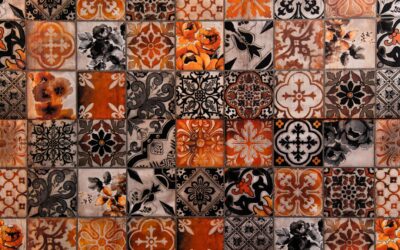
Nothing warms up a kitchen quite like real stone on the wall, and a rustic stone backsplash brings a textured, earthy, handcrafted character that glossy subway tile simply can’t match. Whether it’s a stacked ledger panel, tumbled travertine, or rough-split slate, natural stone reads as authentic and timeless, the kind of feature that makes a kitchen feel grounded and lived-in rather than showroom-sterile. It’s a favorite for farmhouse, Tuscan, cabin, and transitional kitchens alike.
This guide walks through the stone types that deliver that rustic look, how installation differs from standard tile, why sealing is critical, what it costs, and how to keep natural stone looking good for years.
What Makes a Backsplash “Rustic”
The rustic look comes from texture and natural irregularity, the opposite of the sleek, uniform tile most kitchens use. Tumbled edges, split faces, varied thickness, and natural color variation all read as rugged and organic. Stone that looks like it was pulled from a quarry or an old wall, rather than machine-perfect, is what creates the effect. That irregularity is the whole appeal, so embrace the variation rather than fighting it.
Best Stone Types for a Rustic Backsplash
Several natural stones lend themselves to a rustic look, each with its own character.
- Stacked stone (ledger panels): Strips of natural stone mounted on mesh-backed panels that install fast and create a dramatic, dimensional dry-stack look. Popular in slate, quartzite, and travertine blends.
- Tumbled travertine: Soft, warm beige and tan tones with a weathered, Old-World feel. Naturally rustic thanks to its pitted surface.
- Slate: Rich, earthy grays, greens, and rust tones with a naturally cleft, textured face.
- Tumbled marble: Softened edges and muted veining for a refined-rustic look.
- Fieldstone and river rock: The most rugged option, with rounded or irregular stones for true cabin character.
Installation: How It Differs From Tile
Installing stone is more involved than standard ceramic tile, and the differences matter. Natural stone is heavier, so it needs a sound, well-prepped wall and a quality thinset rated for the material. Ledger panels speed things up since they come pre-assembled, but you still have to plan corners and outlets carefully. Many tumbled and natural stones should be sealed before grouting, because grout can stain the porous surface. Cutting stone often calls for a wet saw with a diamond blade rather than a basic tile cutter. For stacked stone with deep texture, some installations skip grout entirely for a true dry-stacked look, while others use a tight grout joint.
Why Sealing Is Non-Negotiable
Here’s the single most important thing about natural stone in a kitchen: most of it is porous and must be sealed. Travertine, marble, slate, and many other stones absorb water, oil, grease, and acidic splashes, which stain and etch unsealed surfaces. A penetrating stone sealer soaks in and creates an invisible barrier that repels spills. Plan to seal before grouting (to protect against grout haze) and again after, then reapply periodically, typically every one to three years depending on the stone and use. Skip sealing and a beautiful backsplash turns blotchy and stained fast.
What a Rustic Stone Backsplash Costs
Natural stone sits above basic ceramic tile in price, though the range is wide. Expect rough material costs in these neighborhoods, before installation:
- Stacked stone ledger panels: roughly $7 to $15 per sq ft for material
- Tumbled travertine and marble: around $5 to $20 per sq ft
- Slate: roughly $5 to $15 per sq ft
Professional installation typically adds material costs again or more, since stone is labor-intensive. Because a backsplash is a relatively small area, the total often stays reasonable even with premium stone, which makes it a high-impact upgrade for the money.
Cleaning and Maintenance
Stone backsplashes are durable but need the right care. Wipe spills promptly, especially anything acidic like tomato sauce, citrus, or vinegar, which can etch marble and travertine. Clean with a pH-neutral stone cleaner rather than harsh or acidic household products that damage the sealer and the stone. Avoid abrasive pads on softer stones. Keep up with resealing on the recommended schedule, and the backsplash will resist stains for years. The textured surface of rustic stone actually hides everyday splatter better than glossy tile, which is a quiet practical bonus.
Is It Right for Your Kitchen?
A rustic stone backsplash is ideal if you want warmth, texture, and natural character and you’re willing to handle a bit more maintenance than glazed tile demands. It pairs beautifully with wood cabinets, butcher block, copper or bronze fixtures, and warm paint tones. If you prefer a sleek, low-maintenance, ultra-modern kitchen, polished tile or glass may suit you better. But for farmhouse, cottage, and Old-World styles, stone is the authentic choice.
Design Pairings That Bring Out the Stone
Stone looks its best when the rest of the kitchen supports it, and a few pairings consistently work. Warm wood cabinetry, oak, walnut, or knotty alder, echoes the natural, earthy quality of the stone and reinforces the rustic theme. Butcher block or soapstone countertops complement stone better than high-gloss surfaces, keeping the whole palette grounded. For hardware and fixtures, aged metals like oil-rubbed bronze, copper, and antique brass feel right at home against rugged stone, where shiny chrome can look out of place. Lighting matters too: warm-toned bulbs and under-cabinet lighting rake across the stone’s texture and bring out the depth and shadow that make rustic stone so appealing, while flat, cool lighting washes it out. Even your grout color is a design choice, a grout that matches the stone tones keeps the look seamless and natural, while a contrasting grout emphasizes each piece. Pull these elements together and the backsplash stops being just a wall surface and becomes the warm heart of the kitchen.
The Bottom Line
A rustic stone backsplash brings genuine, textured, natural warmth to a kitchen in a way few materials can. Choose a stone that delivers the rugged look you want, prep and install it on a sound wall, and, above all, seal it properly and keep up with resealing. Treat it right and a rustic stone backsplash will give your kitchen a grounded, handcrafted character that only gets more appealing with age.