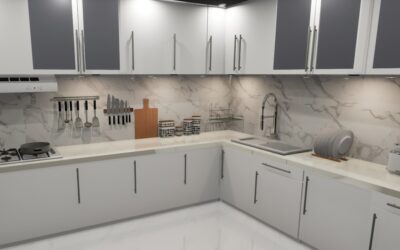
Few design pairings feel as timeless and luxurious as crisp white paired with warm metallic accents. A white and gold backsplash brightens a kitchen, reflects light beautifully, and adds a touch of glamour without overwhelming the room. Whether you want a subtle gold-veined marble look or a bold geometric pattern with brass inlays, this combination flatters nearly every cabinet color and countertop.
- Why White and Gold Works So Well
- Popular Tile Styles and Materials
- Choosing the Right Gold Finish
- Grout: The Detail That Makes or Breaks It
- What a White and Gold Backsplash Costs
- Installation: DIY or Hire a Pro
- Common Mistakes to Avoid
- Maintenance and Longevity
- Styling Tips to Pull the Look Together
This guide walks you through tile options, finishes, grout decisions, realistic costs, and installation so you can plan a backsplash that looks high-end and holds up to daily cooking.
Why White and Gold Works So Well
White expands a space visually, bouncing both natural and artificial light around the room. It reads clean and modern, yet it never goes out of style. Gold, by contrast, introduces warmth and depth. Used as a thin accent, it keeps an all-white kitchen from feeling sterile or clinical.
The pairing is also remarkably flexible. Cool, gray-toned whites lean contemporary, while creamier whites feel transitional and inviting. Gold ranges from bright polished brass to soft brushed champagne, letting you dial the mood up or down. That adaptability is why designers keep returning to this palette year after year.
Popular Tile Styles and Materials
You have several ways to achieve the look, and your choice affects both budget and upkeep. Consider these common options:
- White marble with gold veining: Natural Calacatta and Carrara marbles carry warm gold or taupe veins. Stunning, but porous and requires sealing.
- Porcelain marble-look tile: Mimics veined marble at a lower cost and far less maintenance. Ideal for busy kitchens.
- White subway tile with gold grout or trim: Classic and affordable, dressed up with a metallic pencil liner or brass edge.
- Glass mosaic with gold accents: Mixed sheets blending white glass squares with gold-leaf or mirrored gold chips for sparkle.
- Geometric tile (hexagon, fish scale, chevron): White ceramic shapes outlined with brass strips or gold-glazed edges for a custom look.
If you cook often and want low maintenance, porcelain or glazed ceramic is the safest bet. Reserve real marble for households willing to reseal and wipe spills promptly.
Choosing the Right Gold Finish
Gold is not a single color, and matching it to your hardware matters. Polished brass is shiny and reflective, making a glamorous statement that pairs well with traditional or maximalist kitchens. Brushed or satin gold is softer and more forgiving of fingerprints, which suits modern and transitional spaces. Champagne gold leans almost neutral and blends seamlessly with both warm and cool whites.
Coordinate the backsplash gold with your faucet, cabinet pulls, and light fixtures so the metals read intentional rather than accidental. You do not need a perfect match across every element, but staying within the same warmth family keeps the room cohesive.
Grout: The Detail That Makes or Breaks It
Grout color dramatically changes how a backsplash reads. With white tile, a bright white grout creates a seamless, monolithic look, while a light gray grout subtly outlines each tile and hides everyday grime better. For a true white and gold effect, some homeowners choose a metallic gold grout or a fine brass-toned epoxy grout, though this is a bold, high-contrast choice best used sparingly.
Epoxy grout costs more and is trickier to install, but it resists stains and never needs sealing, a real advantage behind a cooktop. If you go with standard cementitious grout, plan to seal it once a year to keep white lines from yellowing.
What a White and Gold Backsplash Costs
Pricing varies widely by material and labor market, so treat these as planning estimates rather than quotes:
- Ceramic or porcelain subway tile: roughly $5 to $15 per square foot for materials.
- Marble-look porcelain: about $8 to $25 per square foot.
- Natural marble: commonly $15 to $50 per square foot, sometimes more for premium slabs.
- Glass and gold mosaic sheets: often $20 to $50 per square foot.
- Professional installation: typically $10 to $30 per square foot of labor, higher for intricate patterns.
A standard kitchen backsplash covers about 30 square feet. Mosaic and geometric patterns take longer to set and cut, so labor climbs accordingly. Getting at least three itemized written quotes helps you compare fairly.
Installation: DIY or Hire a Pro
A motivated DIYer can install straightforward white subway tile, but mosaic sheets, marble, and metallic accents reward professional precision. If you tackle it yourself, prep the wall thoroughly: clean off grease, fill holes, and ensure the surface is flat. Use the right notched trowel and thinset for your tile, and dry-lay a section first to plan your cuts.
Here is the general sequence:
- Measure and mark a level reference line, never trust the countertop to be perfectly level.
- Spread thinset and comb it to consistent ridges.
- Set tiles with spacers, checking alignment as you go.
- Cut edge and outlet pieces with a wet saw or score-and-snap cutter.
- Let thinset cure fully, then grout, wipe, and seal as needed.
Natural stone and glass can chip or crack if cut carelessly, so a pro saves frustration and waste. Always wear eye protection when cutting tile and follow the thinset and grout data sheets for cure times.
Common Mistakes to Avoid
A few missteps can undercut an otherwise gorgeous backsplash. The most frequent is overdoing the gold. Metallic accents are most striking when used sparingly, so resist the urge to outline every single tile in brass; thin liners, a single feature strip, or scattered gold mosaic chips read far more elegant than a wall of shine.
Another common error is mismatched undertones. Pairing a cool, blue-white tile with warm brass can look disjointed, so test your tile, grout, and metal samples together under your kitchen lighting before buying in bulk. Homeowners also frequently underestimate how dramatically grout color changes the result, so never skip ordering grout samples. Finally, plan your outlet and edge placement during the dry-lay stage; awkward cuts at switches and corners are the detail that separates an amateur job from a polished one.
Maintenance and Longevity
Keeping a white and gold backsplash looking fresh is simple with the right habits. Wipe the tile after cooking to prevent grease film, and clean spatters near the cooktop promptly so they never have a chance to dull the gold. Use a soft cloth and a pH-neutral cleaner rather than abrasive pads, which can scratch metallic finishes and etch natural stone over time.
Reseal natural marble and cementitious grout on the recommended schedule to keep white surfaces from yellowing. With this minimal care, the bright, luminous quality that drew you to the look in the first place will hold up beautifully for years.
Styling Tips to Pull the Look Together
To make your white and gold backsplash feel designed rather than trendy, repeat the gold elsewhere in small doses, such as a vase, bar stools, or open-shelf brackets. Keep countertops relatively uncluttered so the backsplash stays the focal point. White or marble countertops amplify the airy effect, while a contrasting dark counter makes the gold pop dramatically.
Lighting matters too. Under-cabinet LED strips highlight metallic accents and reveal the tile’s texture after dark. With thoughtful material choices and restrained gold details, this palette delivers a kitchen that feels bright, warm, and quietly luxurious for years to come.