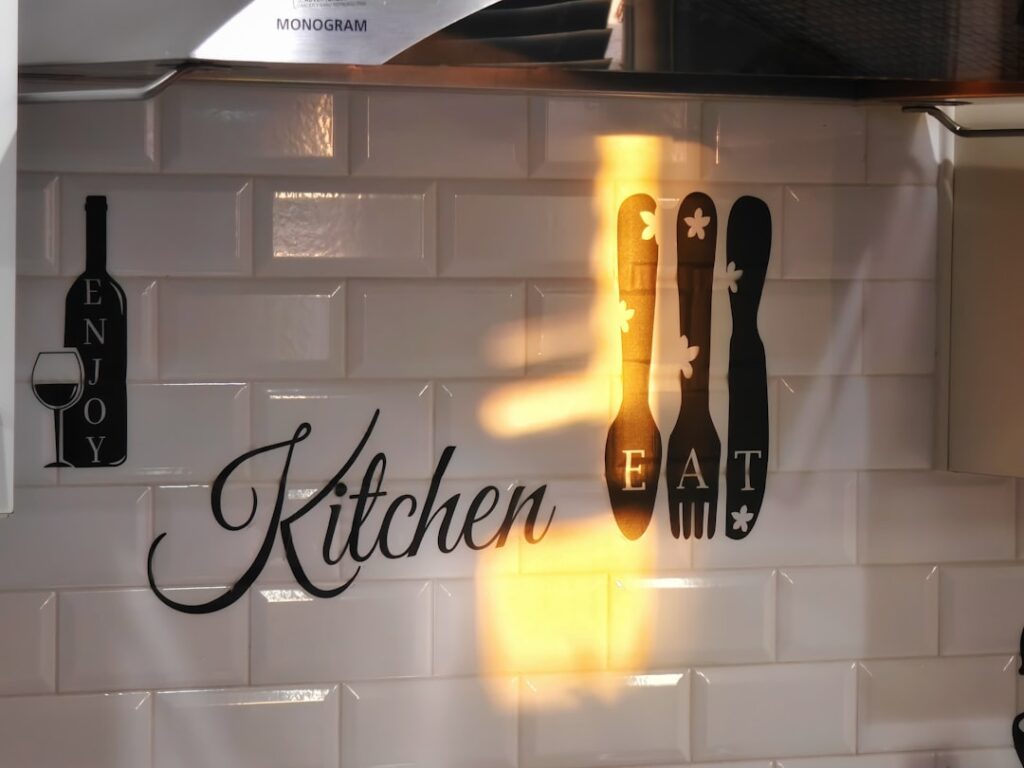
Few upgrades transform a kitchen as quickly and affordably as a white glass tile backsplash. The reflective, light-bouncing surface makes small kitchens feel larger, pairs with any cabinet color, and wipes clean of grease and splatter in seconds. Whether you love the timeless subway look or a modern mosaic sheen, white glass gives you a bright, crisp backdrop that never goes out of style and works just as well behind a bathroom vanity.
Part of our Kitchen Remodeling guide — explore the full guide →
This guide covers the popular styles, real price ranges, a step-by-step installation walkthrough, grout selection, and the cleaning and design choices that make the finished wall look professional.
- Why White Glass Tile Works So Well
- Popular White Glass Tile Styles
- White Glass Tile Backsplash Cost
- Tools and Materials You Will Need
- Step-by-Step Installation
- Choosing the Right Grout Color
- Cleaning and Maintenance
- Design Mistakes to Avoid
- Pairing White Glass with Countertops and Cabinets
- Frequently Asked Questions
- Bringing It All Together
Why White Glass Tile Works So Well
Glass tile has a translucency and depth that ceramic simply cannot match. Light passes into the tile and reflects back, so a white glass backsplash glows softly rather than sitting flat on the wall. That reflectivity is a genuine functional benefit in kitchens with limited natural light or under-cabinet fixtures, where the tile amplifies every lumen.
White is also the most flexible color you can choose. It reads clean and contemporary against dark cabinets, soft and airy against white shaker doors, and warm when paired with brass or wood accents. Because it is neutral, you can repaint walls or swap countertops years later without the backsplash clashing. For resale, a white glass backsplash is a safe, broadly appealing choice.
Popular White Glass Tile Styles
White glass comes in several formats, each with a distinct look:
- Glass subway tile — the classic 3 x 6 inch brick, laid in a running bond or herringbone pattern for a crisp, traditional feel.
- Mini and penny mosaics — small squares or rounds on mesh sheets that add texture and catch light in a busier pattern.
- Linear and stacked glass — thin horizontal planks or vertically stacked rectangles for a modern, streamlined wall.
- Arabesque and picket shapes — glass cut into lantern or elongated hexagon shapes for a designer accent.
Finish matters too. Glossy white glass maximizes reflection and brightness, while frosted or matte glass offers a softer, more subtle look that hides fingerprints and water spots better.
White Glass Tile Backsplash Cost
Glass tile costs more than basic ceramic, but a backsplash uses relatively little material, so the total stays reasonable. Expect white glass tile to run $8 to $25 per square foot for the tile itself, with designer mosaics and specialty shapes reaching $30 or more.
A typical kitchen backsplash covers 30 to 40 square feet, so material lands around $300 to $800. If you hire a professional tile setter, add $10 to $20 per square foot in labor, bringing a full installed backsplash to roughly $700 to $1,600. DIY installation cuts that nearly in half, and glass mosaic sheets are one of the more forgiving materials for a first-timer.
Tools and Materials You Will Need
- White thinset mortar (always use white, never gray, under glass, since gray shows through translucent tile)
- 1/8-inch or 3/16-inch V-notch trowel
- Tile spacers sized to your grout joint
- Wet saw with a glass-rated blade or a score-and-snap glass cutter for straight cuts
- Non-sanded grout in white or a soft neutral
- Grout float, sponges, buckets, and a level
Step-by-Step Installation
- Prep the wall. Clean off grease, sand glossy paint, and patch holes. Turn off power and remove outlet covers.
- Find your center and layout. Dry-lay a row and mark a level starting line so cut tiles land at the ends and corners, not the focal center.
- Spread white thinset. Apply a thin, even coat with the V-notch trowel, working in small sections so it does not skin over.
- Set the sheets. Press mosaic sheets or subway tiles into the mortar, keeping joints aligned, and use a grout float to bed them flat without squeezing thinset up through the joints.
- Cut around outlets and edges. Measure carefully and cut with a wet saw; glass chips easily, so go slow.
- Let it cure. Allow the thinset to set 24 hours before grouting.
- Grout and clean. Work non-sanded grout into the joints, wipe diagonally with a damp sponge, and buff off haze once dry.
Choosing the Right Grout Color
Grout color dramatically changes the look of a white glass backsplash. A bright white grout creates a seamless, monolithic wall that reads clean and expansive, perfect for a minimalist kitchen. A soft gray or greige grout, on the other hand, defines each tile and highlights a subway or herringbone pattern, giving the wall more visible structure and shadow lines.
Always use non-sanded grout with glass tile. Sanded grout can scratch the glossy surface during application. For joints wider than 1/8 inch, ask for a non-sanded formula rated for wider gaps. Seal cement-based grout after it cures, or choose a pre-mixed urethane grout that never needs sealing and resists staining from cooking splatter.
Cleaning and Maintenance
One of the great advantages of a white glass tile backsplash is how easy it is to keep looking new. The nonporous glass surface does not absorb grease or sauce, so a spray of glass cleaner or a mix of vinegar and water plus a microfiber cloth wipes it spotless. Avoid abrasive scrubbing pads and gritty cleansers that could dull glossy tiles over time.
The grout lines are where dirt actually collects, so a sealed or urethane grout pays off by resisting stains. For occasional grout grime, a soft toothbrush and a baking-soda paste restores brightness without harming the glass.
Design Mistakes to Avoid
- Using gray thinset. It shows through translucent glass and muddies the white. Always use white mortar.
- Skipping the layout dry run. Poor planning leaves awkward sliver cuts at corners and the range hood.
- Sanded grout on glossy glass. It can scratch the surface. Use non-sanded.
- Forgetting an edge trim. A metal Schluter edge or bullnose tile gives raw glass edges a finished border.
- Over-mixing finishes. Combining too many white shades and finishes can look busy; pick one dominant tile and one accent at most.
Pairing White Glass with Countertops and Cabinets
A white glass backsplash is a chameleon, but a few pairings shine. Against white or gray quartz counters and white shaker cabinets, a glossy white subway backsplash creates a bright, monochromatic kitchen that feels clean and expansive. Against dark navy or deep green cabinets, white glass pops with crisp contrast and keeps the space from feeling heavy. With butcher block or warm wood counters, white glass adds a fresh, cottage-modern balance to the natural material.
If your countertop is busy, like a heavily veined granite or marble, keep the backsplash simple with a plain white glass subway to let the stone be the star. If your counter is a solid quiet color, you have room to choose a more textured mosaic or shaped glass tile as the visual interest.
Frequently Asked Questions
Is glass tile harder to install than ceramic?
It is slightly more finicky because it shows the mortar through it and chips more easily when cut, but mosaic sheets are actually very forgiving for beginners. Use white thinset and a glass-rated wet-saw blade and you will be fine.
Does white glass tile show dirt?
The glass itself wipes clean instantly and hides splatter well because of its reflectivity. The grout lines are what show grime, which is why a sealed or urethane grout is worth the small upgrade.
Can I install glass tile over existing tile?
It is possible if the old surface is clean, flat, and well-bonded, but results are best on a properly prepared drywall or cement-board surface. Sand glossy old tile for adhesion and use the right thinset.
Will white glass tile go out of style?
White is the most enduring backsplash color there is. It has been popular for over a century in subway form and adapts to whatever cabinet and counter trends come and go.
Bringing It All Together
A white glass tile backsplash is one of the highest-impact, lowest-risk upgrades in home improvement. It brightens the room, resists grease, cleans in seconds, and complements virtually any cabinet and countertop combination you might install now or years from now. Choose a style that fits your kitchen’s personality, use white thinset and non-sanded grout, take your time on layout, and you will end up with a luminous, professional-looking wall that keeps your kitchen feeling fresh for decades.
Prefer to explore on your own?
See how new flooring looks in your actual room in seconds — free, no signup.
Try the free Floor Studio →