Trends come and go, but a clean, bright kitchen never goes out of style, which is why the white backsplash remains the most popular choice in American kitchens year after year. It reflects light, makes a small kitchen feel larger, and works with any cabinet color or countertop you might pair it with down the road. The catch is that not all white backsplashes look the same, and the details, the tile shape, the finish, and especially the grout, decide whether yours looks crisp and custom or flat and builder-grade.
Part of our Kitchen Remodeling guide — explore the full guide →
This guide walks through the styles, materials, grout choices, and maintenance that make a white backsplash work in any kitchen.
Why White Backsplashes Stay Popular
White is the safest and most flexible backsplash color for good reason. It brightens the workspace by bouncing both natural and artificial light, which is a real advantage in kitchens with limited windows. It also acts as a neutral backdrop, letting your cabinets, hardware, and countertops take the spotlight. Because it never locks you into a color scheme, a white backsplash makes future updates easy, since you can change paint, accessories, or even cabinets without fighting the tile.
For resale, white reads as clean and move-in ready to most buyers, which is why it remains a default in flips and new construction alike.
Popular White Backsplash Styles
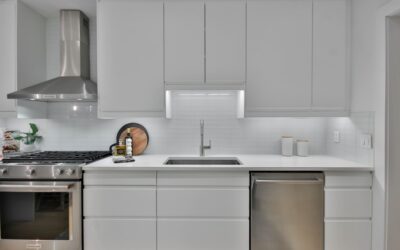
- Classic subway tile: The 3-by-6-inch white subway is the timeless standard, affordable and endlessly adaptable.
- Large-format tile: Bigger tiles mean fewer grout lines for a sleek, modern, easy-clean surface.
- Picket and arabesque shapes: Add subtle geometry and texture while staying all white.
- Marble and marble-look tile: Soft gray veining warms up the white and adds a luxe feel.
- Zellige and handmade tile: Slight color variation and irregular edges give white a crafted, high-end look.
Choosing a Tile Material
White backsplash tile comes in several materials, each with a different look and price. Glazed ceramic is the workhorse: inexpensive, durable, water-resistant, and easy to wipe down. Porcelain is denser and slightly tougher, a good pick for heavy-use areas. Glass tile adds a luminous, reflective quality and resists stains completely, though it shows fingerprints.
Natural marble brings unmatched elegance with its soft veining, but it is porous and needs sealing, and it can etch from acidic splashes like lemon or vinegar. If you love the marble look without the upkeep, porcelain tiles printed to mimic marble deliver the appearance with far less maintenance.
The Grout Decision
Grout is the single biggest factor in how a white backsplash reads, and it is where many people go wrong. White or off-white grout creates a seamless, almost monolithic look that feels clean and expansive, but it shows cooking splatter and discolors over time without diligent cleaning. A light gray grout offers a subtle contrast that defines each tile, hides everyday grime better, and tends to look intentional and current.
Darker grout, such as charcoal against white subway tile, makes a bold graphic statement and emphasizes the pattern, though it can feel busy over a large area. For most kitchens, a light to mid gray grout is the practical sweet spot, balancing definition with low maintenance. Whatever you choose, epoxy or a high-quality sealed cement grout resists stains best in a splash zone.
Pairing White With the Rest of the Kitchen
Because white is neutral, it lets you set the tone with everything around it. Against white cabinets, an all-white backsplash creates a bright, airy, monochromatic kitchen that can be warmed with wood shelving or brass hardware. Against dark or navy cabinets, white tile provides crisp contrast that keeps the space from feeling heavy. With butcher block or warm wood counters, white tile reads cozy and farmhouse; with quartz or marble counters, it reads clean and modern.
To keep an all-white kitchen from feeling sterile, layer in texture and warmth through the tile shape, the grout tone, metal finishes, and natural materials. Small touches make the difference between cold and inviting.
What a White Backsplash Costs
White backsplashes span a wide price range driven mostly by the tile material and the installation. Basic white ceramic subway tile is one of the most affordable options on the market, often just a few dollars per square foot, which is part of why it is so common. Porcelain and glass cost somewhat more, while marble and handmade zellige sit at the premium end.
Installation typically costs more than the tile itself, especially for intricate patterns like herringbone that take longer to lay. A standard kitchen backsplash is a relatively small area, so even upgrading to a nicer tile usually has a modest impact on the total. That makes a backsplash one of the better places to spend a little extra, since the visual payoff is high for the square footage involved.
Adding Warmth to All-White
An all-white backsplash can occasionally feel cold or clinical, but a few touches fix that fast. Texture is the easiest lever: handmade tile with subtle surface variation, a beveled subway edge, or a three-dimensional shape catches light and adds depth that flat tile cannot. Warm metal finishes like brass, gold, and bronze on faucets and hardware instantly soften a white scheme.
Natural materials do the rest. Wood open shelving, a butcher block counter, or woven accents bring warmth that keeps a white kitchen feeling inviting rather than sterile. Even the grout tone plays a part, since a warm off-white or greige grout reads cozier than a stark bright white.
Keeping White Looking Clean
White shows grease and splatter, so the upside is that it tells you exactly when it needs wiping. Tackle splashes promptly with a soft cloth and a mild, pH-neutral cleaner, and avoid abrasive scrubbers that can dull a glossy glaze. Glass and glazed ceramic resist staining well, so the tile faces themselves usually wipe clean with little effort.
The grout lines need the most attention. Seal cement grout when the backsplash is installed and reseal it periodically, and clean discolored joints with a baking soda paste or a dedicated grout cleaner. A quick wipe-down after cooking keeps both tile and grout looking new far longer than letting splatter dry on.
The Bottom Line
A white backsplash is the reliable choice that brightens any kitchen and adapts to whatever style you build around it. The look you get depends on the tile shape, the material, and above all the grout, so spend your decision-making energy there. Pick a finish that suits your maintenance tolerance, choose a grout tone that balances definition with practicality, and keep up with quick cleaning, and your white backsplash will look fresh and timeless for years.