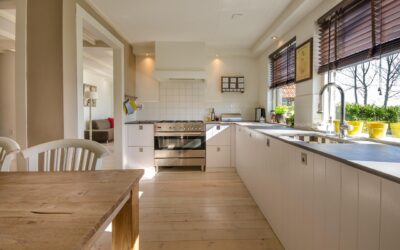
The wall behind your countertops does more than catch splatters; it sets the tone for the entire kitchen. A white stone backsplash delivers that bright, timeless look so many homeowners want, pairing natural texture with a clean palette that works in farmhouse, modern, and transitional spaces alike. The right stone can make a small kitchen feel larger and a dim one feel sunlit.
Part of our Kitchen Remodeling guide — explore the full guide →
Not all white stone is the same, though. Marble, quartzite, limestone, and others each bring different veining, hardness, and maintenance needs. This guide breaks down your stone options, popular layouts, sealing and care, and realistic cost ranges so you can choose with confidence.
Why White Stone Stands Out
White reflects light better than almost any other color, so a pale stone backsplash bounces brightness around the room and makes the whole kitchen feel open. Against darker cabinets or counters, it creates clean contrast; against light cabinets, it builds a soft, airy, monochromatic look. Either way, it rarely goes out of style.
Natural stone also adds depth that printed materials cannot fully imitate. Subtle veining, fossil specks, and tonal shifts give each slab or tile a one-of-a-kind character. That organic variation is exactly why many homeowners pay a premium for real stone instead of a look-alike.
There is a resale angle as well. Real stone reads as a quality finish to many buyers, and a tasteful neutral backsplash tends to appeal broadly rather than to one narrow taste. Because white never feels dated the way a trendy color can, a stone backsplash is one of the safer long-term design bets in a kitchen.
Popular White Stone Options
Several natural stones deliver the white-backsplash look, each with its own balance of beauty and upkeep:
- Marble: classic gray veining on a white field, prized for elegance but softer and more prone to etching and staining.
- Quartzite: harder and more durable than marble, with similar veining and better resistance to scratches and acids.
- Limestone: soft, matte, and earthy with a gentle texture, though it needs careful sealing.
- White granite: very hard and stain-resistant, with speckled patterns rather than flowing veins.
- Marble mosaics: small stone tiles in hex, herringbone, or basketweave for added pattern.
Be aware that natural quartzite is different from engineered quartz, even though the names sound alike. If low maintenance is your top priority, ask your supplier specifically what material you are looking at and how it performs near a sink and stove.
Tile Shapes and Patterns
The cut and layout of your stone shape the personality of the backsplash as much as the stone itself. Classic subway tiles in a brick-set pattern feel familiar and clean, while a vertical stack reads more modern. Herringbone and chevron layouts add movement and a designer touch.
Larger slab backsplashes, where a single sheet of stone runs from counter to upper cabinets, create a seamless, luxurious look with minimal grout lines. Mosaic sheets, by contrast, offer intricate detail and are often easier for a careful DIYer to install. Consider how much pattern you want competing with your counters before deciding.
Sealing and Maintenance
Most natural white stone is porous, which means it can absorb liquids and stain if left unsealed. Marble and limestone are especially vulnerable to acidic spills like lemon juice, wine, and tomato sauce, which can etch dull spots into the surface. Sealing is not optional for these materials.
Plan to seal a new stone backsplash after installation and reseal periodically based on the product’s instructions and how the stone performs. For daily care, wipe spills promptly and clean with a pH-neutral stone cleaner rather than vinegar or harsh acidic products. Quartzite and granite are more forgiving, but a regular wipe-down still keeps them looking their best.
Cost Considerations
Pricing varies widely with the stone, the format, and your region, so treat any figure as a general estimate. As a rough guide for materials alone, expect mosaic and tile formats to fall in the lower-to-middle range and full slabs to sit at the higher end, with rare or heavily veined stones costing the most.
Installation adds to the total, and slab backsplashes in particular often require professional fabrication and careful handling. When you budget, account for the stone, sealer, grout, trim pieces, and labor. A modest material upgrade can have a big visual impact, so it often pays to compare a few options before settling.
Installation Basics
Tile and mosaic backsplashes are within reach for a confident DIYer, while full slabs almost always call for a professional. Either way, a clean, flat, and dry wall surface is essential, since stone shows imperfections behind it. Take time to plan your layout and dry-fit pieces before any adhesive goes on.
Cutting natural stone requires the right blade and patience, because the material can chip. Use the spacing and setting materials recommended for stone, and choose a grout color that complements rather than fights the veining. If you are unsure about cuts around outlets and corners, hiring a pro for at least that part is money well spent.
Design Pairings That Work
White stone is endlessly flexible, but a few pairings consistently shine. Warm wood cabinets and white stone create a balanced, inviting kitchen, while crisp white cabinets with white stone build a serene, gallery-like calm. Matte black hardware and fixtures add definition against the pale backdrop.
Lighting deserves attention too. Under-cabinet lights play up the texture and veining of natural stone and prevent a white backsplash from looking flat at night. If your counters already feature strong veining, consider a quieter stone behind them so the two surfaces complement rather than compete.
Metal finishes throughout the room can echo the mood you want. Brushed brass or gold fixtures warm up cool gray veining, while polished chrome and stainless reinforce a crisp, contemporary feel. Carrying that finish through your faucet, cabinet pulls, and light fixtures ties the white stone into a deliberate overall scheme rather than leaving it as an isolated feature.
Is It Right for Your Kitchen
A natural stone backsplash rewards homeowners who love organic beauty and are willing to do a little upkeep in return. If you cook often with acidic ingredients and want zero maintenance, a harder stone like quartzite or granite, or a sealed engineered option, may suit you better than soft marble.
Weigh the look you love against the care you are realistically willing to give. Chosen thoughtfully, a white stone backsplash brightens your kitchen, adds lasting value, and brings a touch of natural luxury to the space you use every single day.