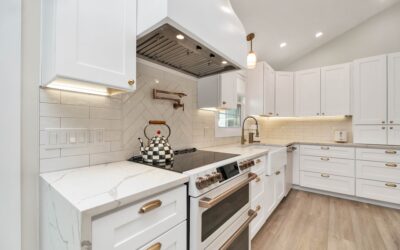
Few backsplash looks feel as warm and timeless as exposed brick painted crisp white. A white brick backsplash brings texture and character to a kitchen without the cold sterility that can come with glossy subway tile, and it works across farmhouse, industrial, modern, and cottage styles. The catch is that “white brick” can mean several very different products, and choosing the right one determines how much work, money, and maintenance you sign up for.
- What Counts as a White Brick Backsplash
- Why White Brick Works in Kitchens
- Styling the Look
- Installation Basics
- Sealing and Water Resistance
- Cleaning and Maintenance
- Cost Expectations
- Lighting and Color Temperature
- Common Mistakes to Avoid
- Coordinating With Countertops and Cabinets
- Real Brick versus Brick-Look Tile
- The Bottom Line
What Counts as a White Brick Backsplash
The look comes from a few distinct materials, each with its own trade-offs:
- Real brick or thin brick veneer: Genuine fired clay sliced thin and adhered to the wall. The most authentic texture.
- Brick-look tile: Porcelain or ceramic tile molded and printed to mimic brick. Easiest to clean and most water-resistant.
- Faux brick panels: Lightweight polyurethane or PVC sheets with a brick pattern. Fast and budget-friendly, but less convincing up close.
- Brick veneer peel-and-stick: Adhesive-backed strips for renters and quick refreshes.
For a kitchen backsplash that sees grease and splashes, brick-look porcelain tile or sealed thin brick veneer are the most practical.
Why White Brick Works in Kitchens
White brick reflects light, so it brightens a space the way painted brick brightens an old loft. The mortar lines and surface variation add depth that flat tile lacks, giving even a small kitchen visual interest. Because white is neutral, it pairs with nearly any cabinet color, from deep navy to natural wood, and it bridges old-house charm with modern fixtures effortlessly.
Styling the Look
The mortar treatment changes everything. A heavy, smeared “German schmear” mortar reads rustic and old-world, while clean, recessed joints look crisp and contemporary. Pair white brick with:
- Black or matte hardware and faucets for an industrial edge.
- Open wood shelving for a warm, farmhouse feel.
- Brass accents and a stone countertop for an elevated cottage look.
- Sleek handleless cabinets to play texture against minimalism.
Installation Basics
Real thin brick veneer is installed much like tile, using a quality mortar or construction adhesive rated for the product, then grouted in the joints. Brick-look porcelain tile uses thinset and standard tile methods. Faux panels and peel-and-stick are the most DIY-friendly, attaching with adhesive and requiring only careful measuring and cutting. Always start with a clean, dry, flat wall and plan your layout so cut pieces land at the edges, not in the center.
Sealing and Water Resistance
This is the step homeowners overlook. Real brick and its mortar are porous, so behind a sink or stove they will absorb grease and water unless sealed. Apply a penetrating masonry sealer after installation, and reapply periodically. Brick-look porcelain tile needs no sealing on the tile face, though grout lines still benefit from a grout sealer. Painted brick should be finished with a durable, washable paint or coating so splatters wipe off.
Cleaning and Maintenance
Textured surfaces trap more debris than flat tile, so keep a soft brush handy for the mortar joints. Wipe up grease promptly. For sealed brick and porcelain, warm water and a mild cleaner handle daily messes. Avoid harsh acidic cleaners on real brick and natural mortar, which can erode them over time. A good sealer makes routine cleaning far easier.
Cost Expectations
Budget varies by material. Peel-and-stick and faux panels are the cheapest, often a few dollars per square foot. Brick-look porcelain tile generally runs in the mid range per square foot plus installation. Real thin brick veneer sits at the higher end once you factor in mortar, sealing, and the more involved labor. Get the full material plus labor picture before committing, especially if you hire out the work.
Lighting and Color Temperature
White brick changes character dramatically depending on the light hitting it. Warm-toned lighting, around 2700 to 3000 Kelvin, makes a white brick backsplash feel cozy and slightly creamy, which suits farmhouse and cottage kitchens. Cooler, brighter lighting reads crisper and more modern. Under-cabinet lighting is especially flattering on textured brick because it grazes the surface and emphasizes the depth of the mortar lines and the variation across each brick. If your kitchen feels flat, adjusting the light temperature can transform how the backsplash looks without changing a single tile.
Common Mistakes to Avoid
A handful of missteps undermine an otherwise great backsplash. Skipping the sealer on real brick is the big one, because grease soaks in and is nearly impossible to remove later. Choosing a flimsy faux panel for a high-splash zone behind a range or sink leads to peeling and discoloration. Poor layout planning leaves awkward cut pieces dead center where they catch the eye. And rushing the grout or mortar work shows, since uneven joints are hard to disguise. Plan the layout, seal porous materials, and take your time with the joints for a result that looks professional.
Coordinating With Countertops and Cabinets
A white brick backsplash is a flexible backdrop, but pulling the whole kitchen together takes a little planning. Against white or light cabinets, white brick creates a soft, monochromatic look that feels airy, so add contrast with a darker countertop or hardware. Against dark cabinets, the white brick pops and brightens the room, balancing the depth of the lower cabinetry. Stone and quartz countertops with subtle veining sit beautifully under white brick, while butcher block adds farmhouse warmth. Keep the overall palette to two or three main tones so the textured brick reads as the star rather than competing with busy counters and bold cabinet colors.
Real Brick versus Brick-Look Tile
If authenticity is the priority and you do not mind sealing and maintenance, real thin brick veneer delivers unmatched texture. If you want the look with minimal upkeep and the best water resistance behind a sink or range, brick-look porcelain tile is the smarter choice. Renters and quick-refresh projects are best served by peel-and-stick or panels.
The Bottom Line
A white brick backsplash adds warmth, texture, and timeless character to a kitchen, and it flexes across many design styles. Decide first whether you want real brick, brick-look tile, or a faux panel, then plan for proper sealing if you choose porous materials. With the right product and a little maintenance, the look stays bright and inviting for years.