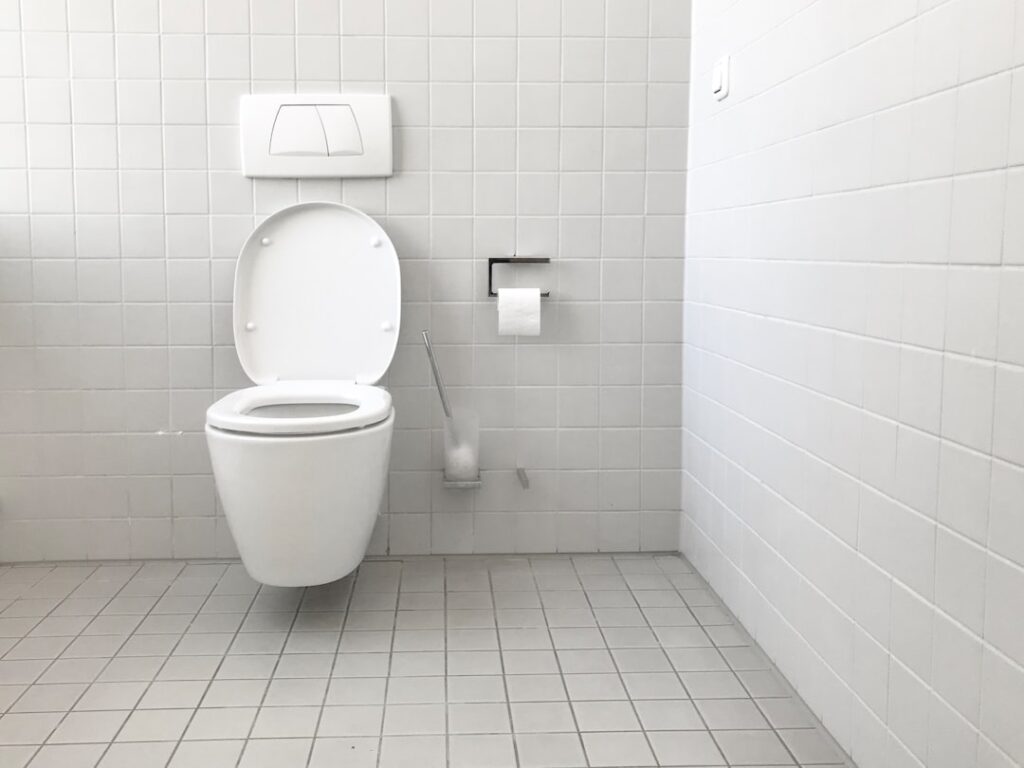
A toilet that groans, whistles, or hisses every time it refills is telling you something is worn or restricted inside the tank. A toilet making noise when refilling is rarely an emergency, but it usually signals a failing fill valve, high water pressure, or debris in the supply line, and ignoring it can lead to a running toilet that wastes hundreds of gallons a month. The good news is that most of these fixes take under an hour and cost less than $25 in parts.
Part of our Bathroom Remodeling & Flooring guide — explore the full guide →
I have chased down these tank noises in older homes and new builds alike. The sound itself is a strong clue to the cause, so the first step is to listen carefully and match what you hear to the culprits below.
- Identify the Sound First
- Cause 1: A Worn or Failing Fill Valve
- Cause 2: High Water Pressure or a Restricted Supply Valve
- Cause 3: Water Hammer (Banging Sound)
- Cause 4: A Leaking Flapper Causing Constant Refills
- Cause 5: Sediment and Debris in the Valve
- When to Call a Plumber
- Quick Adjustments When the Toilet Fill Valve Makes Noise
- Frequently Asked Questions
Identify the Sound First
Different noises point to different problems. Take the tank lid off, flush, and listen while it refills:
- High-pitched whistle or squeal: a worn fill valve or a partially closed supply valve restricting flow
- Hissing that never stops: a fill valve that will not shut off, often from a bad seal or a leaking flapper
- Banging or knocking (water hammer): a pressure spike when the valve snaps shut
- Gurgling or vibrating hum: a diaphragm-style fill valve resonating or a venting issue in the drain
- Foghorn or trumpet sound: a vibrating ballcock washer in an older float-arm valve
Once you know the sound, you can zero in on the fix instead of replacing parts at random.
Cause 1: A Worn or Failing Fill Valve
The fill valve is the vertical assembly on the left side of the tank that refills water after a flush. It is the single most common source of refill noise. As the internal seals and diaphragm wear out, water forces its way through worn gaps and creates a whistle or foghorn tone.
The most reliable fix is a full replacement. A modern Fluidmaster 400A or Korky QuietFILL valve costs $10 to $20 and installs in about 20 minutes. To replace it:
- Shut off the supply valve at the wall and flush to empty the tank.
- Sponge out the remaining water and disconnect the supply line from the tank bottom.
- Unscrew the locknut holding the old valve and lift it out.
- Drop in the new valve, adjust its height to about an inch below the overflow tube, and hand-tighten the locknut plus a quarter turn.
- Reconnect the supply, turn the water back on, and check for leaks.
A new valve almost always cures whistling and foghorn noises for good.
Cause 2: High Water Pressure or a Restricted Supply Valve
If your home’s water pressure runs above 80 psi, water screams through the fill valve and creates a whistle even when the valve is healthy. A quick test is to slightly close the shutoff valve at the wall. If the noise drops, restricted flow is the issue. Do not leave the valve half-closed as a permanent fix, though, because that just masks the problem.
For chronic high pressure, install or check your home’s pressure-reducing valve, typically found near the main water line. A plumber can set it to a safe 50 to 60 psi. You can also buy a $10 pressure gauge that screws onto a hose bib to measure your reading. High pressure that causes toilet noise is usually stressing your whole plumbing system, so it is worth addressing at the source.
Cause 3: Water Hammer (Banging Sound)
Water hammer is that sharp knock you hear when the fill valve shuts off abruptly and the moving water slams to a stop. The pressure wave travels through the pipes and bangs against fittings. Beyond the annoyance, repeated hammering can loosen joints over time.
Fixes range from easy to involved:
- Install a water hammer arrestor on the toilet supply line. This $10 to $15 device screws in between the shutoff valve and the supply hose and absorbs the pressure spike with a built-in air cushion.
- Secure loose pipes. If accessible pipes bang against framing, add cushioned pipe clamps to hold them steady.
- Recharge existing air chambers by shutting off the main water, opening the highest and lowest faucets to drain the system, then turning the water back on.
Cause 4: A Leaking Flapper Causing Constant Refills
If your toilet hisses or refills on its own every few minutes without a flush, the flapper at the bottom of the tank is leaking. Water seeps past it into the bowl, the tank level drops, and the fill valve kicks on to top it off, producing intermittent hissing and running sounds.
Test it by adding a few drops of food coloring to the tank and waiting 15 minutes without flushing. If color appears in the bowl, the flapper leaks. A replacement flapper costs $5 to $10 and takes five minutes to swap. Clean any mineral buildup off the flush valve seat while you are in there, since grit prevents a good seal.
Cause 5: Sediment and Debris in the Valve
Mineral deposits and grit from municipal or well water collect inside the fill valve and cause sputtering, gurgling, and vibration. Before you replace the whole valve, try cleaning it. Shut off the water, remove the valve cap, and cover the opening with an upside-down cup. Turn the water on briefly to flush debris up and out, then reassemble. Many diaphragm-style valves let you rinse the cap and seal under running water. This trick often silences a gurgling or humming valve for the cost of nothing.
When to Call a Plumber
Most refill noises are DIY-friendly, but call a professional if you have replaced the fill valve and flapper yet the banging persists, if your whole house has water hammer across multiple fixtures, or if you suspect the pressure-reducing valve on the main line has failed. Persistent house-wide pressure problems and pipe noises point to system issues beyond a single toilet, and a plumber can diagnose them safely. Expect a service call to run $100 to $250 depending on your area.
Quick Adjustments When the Toilet Fill Valve Makes Noise
Replacing the whole valve is not always necessary. When a toilet fill valve makes noise, a few small adjustments inside the tank can quiet it in minutes, especially on a valve that is only a few years old. These fixes focus on the parts around the valve that people rarely check: the refill tube, the float setting, the supply connection, and the shutoff valve itself. Start by turning the shutoff valve at the wall clockwise until it stops, then flush to drain the tank before you reach inside.
Check the Refill Tube Position
The small flexible tube running from the fill valve to the overflow pipe sends water into the bowl to restore the trap seal. If its clip has slipped and the tube sprays against the tank wall or splashes loudly into the overflow, you get a constant trickling or gurgling sound. Clip it to the top of the overflow pipe so the end sits just above the opening, never pushed down inside. A tube shoved deep into the overflow can siphon water out of the tank, which makes the valve cycle on and off by itself through the night.
Set the Float and Water Level Correctly
A float set too high lets water creep up to the overflow, so the valve never fully closes and you hear a faint hiss for hours. Most modern valves adjust with a twist of a threaded rod or a sliding clip on the float cup. Set the water line about an inch below the top of the overflow pipe, or at the fill mark molded inside the tank. A float that rubs against the tank wall or the flush lever chain can also stick and chatter, so make sure it moves freely up and down.
Look at the Supply Line and Shutoff Valve
Sometimes the noise is not in the tank at all. An older multi-turn shutoff with a worn rubber washer can whistle loudly as water squeezes past. Try opening the valve fully, then back a quarter turn. If it still sings, replacing the shutoff with a quarter-turn style usually ends the sound. Rigid or kinked supply tubes can also transmit vibration into the wall, and a flexible braided connector of the correct length isolates it. Hand-tighten plastic coupling nuts plus a small turn, because overtightening cracks them and causes leaks.
Slow the Flow on Adjustable Valves
Some newer valves include a small flow-adjustment dial or screw on top. Turning it down slightly reduces the rush of water and the noise that comes with it, at the cost of a slightly longer refill. This is a useful option in homes with moderately high pressure where a pressure-reducing valve is not yet installed. If the toilet fill valve makes noise even after these adjustments, the internal seal is worn and a new valve is the right fix.
After any change, turn the water back on slowly, let the tank fill, and check every connection for drips before replacing the lid.
Frequently Asked Questions
Why does my toilet whistle when it refills?
A whistling toilet almost always has a worn fill valve or excessive water pressure forcing water through restricted seals. Replace the fill valve with a modern quiet-fill model, or check that your home pressure is not above 80 psi. Both fixes are inexpensive and reliable.
Is a noisy refilling toilet dangerous?
The noise itself is not dangerous, but the causes can waste water and stress your plumbing. Water hammer can loosen pipe joints over time, and a leaking flapper can waste hundreds of gallons a month. It is worth fixing promptly to avoid higher bills and future repairs.
How much does it cost to fix a noisy toilet?
Most fixes are cheap. A new fill valve runs $10 to $20, a flapper costs $5 to $10, and a water hammer arrestor is about $10 to $15. If you hire a plumber, expect $100 to $250 depending on the job and your location.
Why does my toilet make a foghorn sound?
That deep foghorn or trumpet tone comes from a vibrating rubber washer inside an older float-arm ballcock valve. The aging washer resonates as water passes. Replacing the entire fill valve with a modern Fluidmaster or Korky unit eliminates the sound permanently.
Can high water pressure make my toilet noisy?
Yes. Pressure above 80 psi forces water through the fill valve fast enough to create whistling and hammering. Test your pressure with an inexpensive gauge on a hose bib, and if it reads high, have your pressure-reducing valve adjusted to a safe 50 to 60 psi.