Few things I get called about worry homeowners more than toxic black mold on carpet, and for good reason. Carpet is a warm, absorbent, food-rich environment, and when it stays damp it becomes an ideal breeding ground for mold, including the notorious black species people fear. I want to give you an honest, practical rundown: what the risks really are, how to tell mold from an ordinary stain, whether your carpet can be salvaged or has to go, and exactly how to handle the cleanup without making yourself sick. This is one problem where acting fast and knowing your limits genuinely matters.
The Real Health Risks
Black mold, often meaning Stachybotrys chartarum but also several other dark molds, releases spores and in some cases mycotoxins into the air. Breathing those spores day after day is what causes trouble. Common reactions include a persistent stuffy nose, sneezing, coughing, itchy or watery eyes, skin irritation, and a scratchy throat. People with asthma, allergies, or compromised immune systems react far more strongly and can develop wheezing or serious respiratory flare-ups.
Infants, the elderly, and anyone with a lung condition are the most vulnerable, which is why mold in a bedroom or nursery carpet deserves urgent attention. Do not panic, but do not shrug it off either. The dose and duration of exposure drive the health impact, so the sooner you remove the source, the lower your risk.
How to Identify Mold on Carpet
Your nose is often the first detector. A stubborn musty, earthy, damp-basement smell that will not vacuum or febreze away is the classic sign that mold is growing, frequently underneath the carpet in the pad where you cannot see it. Trust that odor even when the surface looks clean.
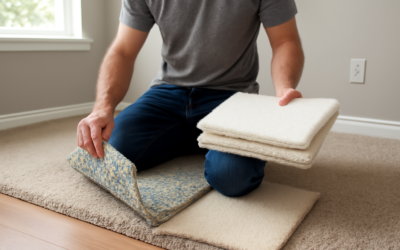
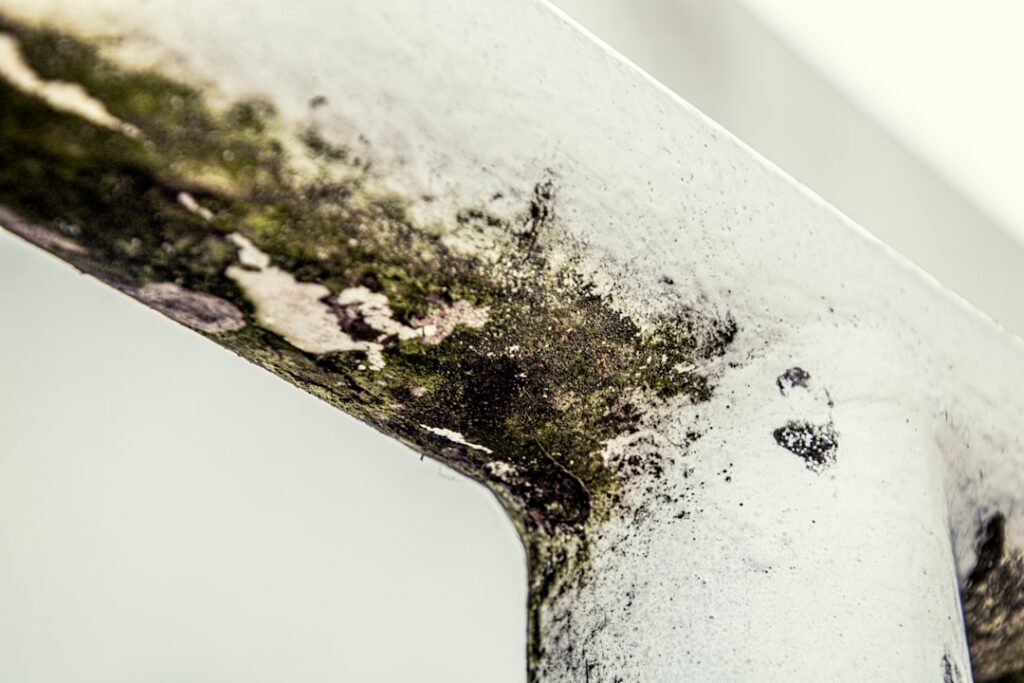
Visually, look for green, black, gray, or white discoloration, sometimes fuzzy and sometimes appearing as irregular spreading blotches or spots. Mold on the surface fibers is only part of the story; peel back a corner of the carpet and inspect the padding and the subfloor, because that hidden layer is usually where the worst growth hides. A dark stain that keeps coming back after cleaning, or one that feels slightly damp or slimy, is mold rather than dirt. If you are unsure, a home mold test kit or a professional air-quality test can confirm it, but a strong musty smell plus visible spotting is usually all the evidence you need to act.
What Causes It
Mold needs moisture, and carpet holds moisture beautifully. The usual culprits are a plumbing leak, a flooded basement, an overflowing washing machine or dishwasher, rainwater intrusion, high indoor humidity, or a spill that never fully dried. Carpet installed directly over a concrete slab is especially prone because concrete wicks up ground moisture. Anywhere the relative humidity sits above 60 percent for long stretches, mold can take hold even without a dramatic flood. Knowing the source matters, because if you do not fix the leak or the humidity, the mold will simply return after you clean it.
Can the Carpet Be Saved, or Does It Go?
This is the question everyone asks, and the honest answer hinges on time and how deep the moisture went. The industry rule of thumb is the 24-to-48-hour window. If carpet got wet from clean water and you dry it completely within 24 to 48 hours with fans and a dehumidifier, mold usually never gets established and the carpet is fine.
Once mold has actually grown, the outlook changes. Surface mold on the face fibers of a low-value carpet can sometimes be cleaned, but if the padding underneath is saturated and moldy, that pad is done, period. Padding is cheap, porous, and impossible to fully disinfect, so you replace it rather than gamble. When the mold has spread widely, the carpet has been wet for more than 48 hours, or the water came from a sewage backup or floodwater, replace the carpet entirely. I have seen too many people spend a weekend scrubbing a rug that should have gone to the curb, only to have the smell and symptoms return within weeks. When in doubt, replacement is cheaper than your health.
Safe Cleanup Steps and Gear
If you decide the carpet is worth saving and the affected area is small, under about 10 square feet, you can tackle it yourself with the right precautions. Protect yourself first. Wear an N95 or better respirator, rubber gloves, and eye protection, and open windows for ventilation while you work. Disturbing mold sends spores airborne, so this gear is not optional.
Start by drying the area completely with fans and a dehumidifier before you clean. Vacuum the carpet with a HEPad-filter vacuum to capture loose spores, then scrub the affected fibers with a stiff brush and a cleaning solution. A mix of white vinegar applied undiluted and left to sit for an hour kills many mold species, or use a dedicated antimicrobial mold cleaner. For non-food-contact surfaces some people use a diluted bleach solution, roughly one cup of bleach per gallon of water, though bleach struggles to penetrate porous carpet fibers. After cleaning, dry the area thoroughly again, because leftover dampness just restarts the cycle. Seal all moldy materials you remove, including old padding, in heavy plastic bags before carrying them through the house so you do not spread spores.
When to Call a Professional
Know your limits. Call a licensed mold remediation professional if the affected area is larger than about 10 square feet, if the mold came from sewage or contaminated floodwater, if it has spread into the subfloor or walls, or if anyone in the home has serious respiratory issues. Professionals have containment equipment, commercial air scrubbers, and the training to remove mold without contaminating the rest of your house, and they can find hidden growth you would miss. Remediation for a room typically runs several hundred to a couple thousand dollars, but it is money well spent when the alternative is a recurring health hazard.
Do Not Ignore the Padding and Subfloor
The mistake I see most often is homeowners cleaning only what they can see. The carpet face fibers might scrub up looking fine, but the real colony is usually living in the pad and along the tack strips underneath. Foam padding acts like a sponge, holding water long after the surface feels dry to the touch, and that trapped moisture keeps feeding mold no matter how many times you clean the top.
Whenever water has sat for more than a day, pull back the carpet and cut out the affected padding entirely. Inspect the subfloor beneath it too. Plywood and OSB subfloors can grow mold in their top layers, and a concrete slab can hold moisture that wicks right back up into new padding. Let the subfloor dry completely, treat any visible growth on wood with an antimicrobial, and confirm it reads dry with a moisture meter before you lay down fresh pad and re-stretch the carpet. Cutting corners on this hidden layer is why so many mold problems come roaring back.
Preventing It From Coming Back
Prevention beats cleanup every time. Fix leaks the moment you find them, and never let a wet carpet sit; get fans and a dehumidifier on it within that critical first day. Keep indoor humidity below 50 percent, especially in basements, using a dehumidifier through humid months. Avoid installing carpet in bathrooms, basements, or any chronically damp space where a hard, water-resistant floor makes far more sense. Vacuum regularly and address spills immediately by blotting and drying them fully.
Dealing with toxic black mold on carpet comes down to controlling moisture, acting inside that 24-to-48-hour window, being realistic about when the carpet is beyond saving, and protecting yourself during cleanup. Handle it promptly and honestly and you protect both your home and the health of everyone living in it.