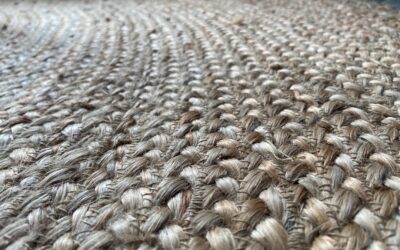
Trailer bunk carpet is the cushioned covering wrapped over the long wood bunks on a boat trailer, and it does a job that is easy to overlook until your hull starts showing scratches. This marine-grade carpet protects your boat’s gelcoat while letting the hull slide on and off the trailer, and it takes a beating from water, sun, and constant friction. Knowing how to choose and install it correctly keeps both your boat and your trailer in good shape for years.
What Bunk Carpet Does
The bunks are the padded rails your boat rests on while it sits on the trailer. Bare or worn bunks let the wood and hardware rub directly against the hull, which scuffs the finish and can gouge the gelcoat over time. Marine bunk carpet creates a soft, slick layer between the wood and the boat. It cushions the load, distributes weight, and reduces friction so the hull glides smoothly during loading and launching at the ramp.
What Makes Marine Bunk Carpet Different
This is not ordinary indoor carpet. Bunk carpet is built specifically to survive constant submersion, UV exposure, and abrasion:
- Marine-grade polyester or polypropylene fibers that resist rot, mildew, and water absorption.
- UV-stabilized backing that holds up to sun without breaking down.
- Dense, low-pile construction that cushions the hull while still letting it slide.
- A weather-resistant backing that grips the wood bunk and shrugs off repeated wetting.
Using regular carpet on bunks is a false economy; it traps water, rots the underlying wood, and disintegrates within a season or two. Stick with material sold specifically as marine bunk carpet.
Sizing and How Much to Buy
Bunk carpet is commonly sold in rolls by the foot, in widths sized to wrap a standard bunk board. Most trailer bunks are built from 2 by 4 or 2 by 6 lumber, and the carpet needs to be wide enough to cover the top and both sides with enough left to fold under and fasten. A typical 11-inch or 12-inch wide roll wraps a 2 by 4 bunk comfortably; wider bunks need a wider roll.
Measure the full length of each bunk, then add several inches per board for wrapping the ends. Buy a bit extra to account for trimming and any mistakes. Many boaters replace carpet on both bunks at the same time so wear is even.
Installing Trailer Bunk Carpet
Replacing bunk carpet is a manageable weekend project. The basic steps are:
- Remove the bunks from the trailer if possible, which makes wrapping far easier than working under a loaded boat.
- Strip the old carpet and staples, then inspect the wood. Replace any board that is soft, cracked, or rotted before re-carpeting.
- Wrap the carpet over the board, pulling it snug across the top and down both sides without bunching.
- Fasten the carpet on the underside using corrosion-resistant fasteners so the staples never touch the hull.
- Trim the excess and reinstall the bunks, making sure no fastener heads sit on the top surface where they could scratch the boat.
The cardinal rule is to keep every staple and screw on the bottom or sides, never on the top where the hull rides. Use stainless steel or Monel staples and stainless hardware to resist saltwater corrosion.
Tools and Materials You Will Need
Gathering everything before you start makes the job go smoothly. For a typical re-carpet you will want:
- Marine bunk carpet in the correct width and length for your bunks.
- A heavy-duty staple gun and a box of corrosion-resistant staples (stainless or Monel).
- A sharp utility knife or hook blade for trimming the carpet cleanly.
- A flat pry bar and pliers for removing old carpet and pulling stubborn staples.
- Sockets or wrenches to unbolt the bunks from the trailer brackets.
- Replacement lumber only if any board is rotted or cracked.
If you are reusing the bunk boards, inspect them carefully once stripped. Pressure-treated lumber lasts longest, and any board that feels spongy or shows deep cracks should be replaced now rather than after you have carpeted it.
How Long It Lasts and When to Replace
Quality marine bunk carpet typically lasts several years, with lifespan depending heavily on use and whether you trailer in salt water. Watch for matted, worn-through spots that expose the staples or wood, and replace before the carpet thins enough to let hardware contact the hull. It is far cheaper to re-carpet a bunk than to repair gelcoat damage.
What It Costs
Bunk carpet is affordable. Rolls generally run a few dollars per foot, with a full pair of bunks for a typical trailer costing roughly $30 to $80 in materials, plus a box of stainless staples. Doing the work yourself keeps the cost low, and the protection it provides for your hull is well worth it.
Bunk Carpet Versus Slick Bunk Alternatives
Some boaters replace traditional bunk carpet with plastic slick strips or rollers designed to reduce friction even further at the boat ramp. These can make loading easier, especially on shallow ramps where you cannot back the trailer in deep, and they never absorb water or rot. The trade-off is that they offer less cushioning than carpet and can cost more upfront. Many owners stick with carpet because it is cheap, gentle on the gelcoat, and simple to replace. If your main complaint is that the boat is hard to slide on, a slick-strip upgrade is worth considering, but for most trailers, good marine carpet remains the practical standard.
Keeping Carpet and Bunks Healthy
A little upkeep extends the life of both the carpet and the wood beneath it. Rinse salt water off the bunks after each use in salt environments, since salt accelerates corrosion of staples and rot of the wood. Let the bunks dry out periodically rather than leaving a wet boat parked on damp carpet for weeks. Check the fasteners now and then to confirm none have worked loose or migrated toward the top surface. Catching a thinning patch or a popped staple early lets you fix it before it scratches the hull.
Final Thoughts
Trailer bunk carpet is a small expense that protects an expensive boat. Choose true marine-grade material, size the roll to fully wrap your bunk boards, keep every fastener off the top surface, and use corrosion-resistant hardware. Stay ahead of wear and replace it before it thins out, and your hull will slide on and off the trailer cleanly for many seasons.