
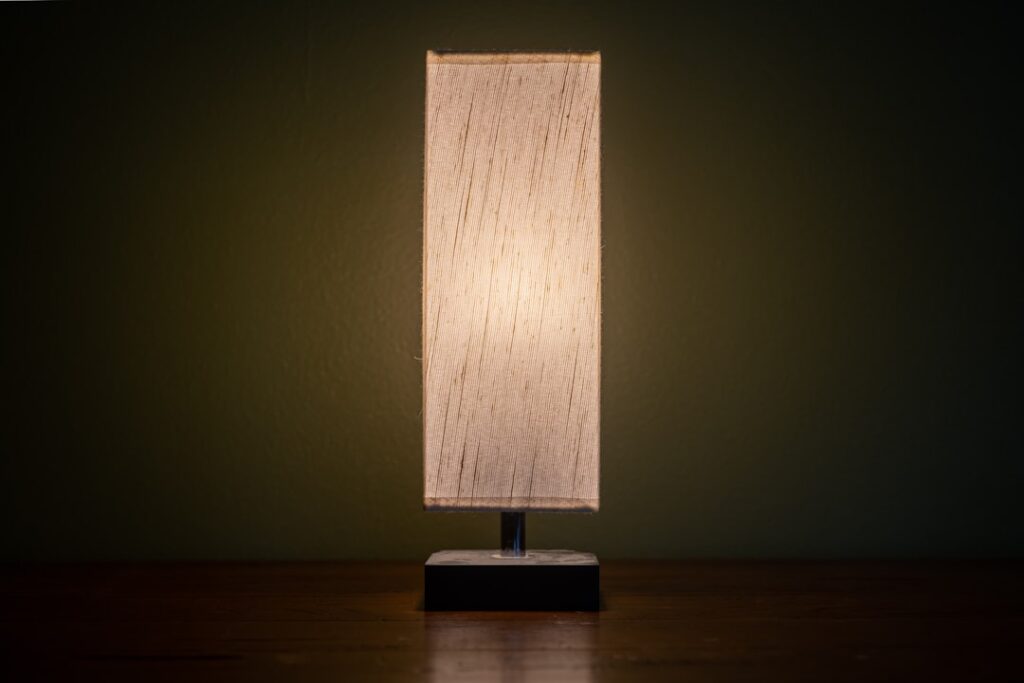
Lighting is where the current obsession with warm, organic materials shows up most clearly, and nothing captures it quite like a chunky stone base glowing under a soft shade. A travertine table lamp takes the same honey-toned natural stone you’d see in a Mediterranean villa floor and turns it into a sculptural lighting piece that doubles as decor even when it’s switched off. It’s a designer look that’s gone mainstream, and it pairs with nearly every interior style from minimalist to traditional. This guide covers the styles, the care travertine actually needs, what to look for when buying, and where these lamps work best.
Why Travertine Is Trending in Lighting
Travertine is a natural limestone formed by mineral deposits, known for its warm cream, beige, and tan tones and its distinctive porous, textured surface. Those naturally occurring pits and channels give each piece a tactile, organic character that manufactured materials can’t fake. As interiors have shifted away from cold grays toward warm, earthy, natural palettes, travertine has become a favorite for grounding a space.
In a lamp, that stone becomes a focal point. The weight and presence of a solid travertine base reads as substantial and high-end, and the neutral, warm coloring works as a near-universal complement. It bridges design eras well: a chunky travertine base feels both vintage 1970s and thoroughly modern, which is exactly why designers keep reaching for it.
Common Styles and Shapes
Chunky Column or Cylinder
A solid cylindrical or column-shaped base, often substantial and sculptural. This is the most recognizable look, leaning architectural and modern, and it makes a strong statement on a console or nightstand.
Geometric and Cube
Squared-off or stepped geometric bases that feel contemporary and clean. They suit minimalist and modern interiors where the stone’s texture provides the only ornamentation needed.
Sculptural and Organic
Rounded, mushroom, or free-form shapes that play up travertine’s organic nature. These read more artistic and work as decor objects in their own right.
Travertine Accent on Metal or Wood
Lamps that combine a travertine element with brass, black metal, or wood, mixing materials for a layered, designer look. The stone provides warmth while the metal adds contrast.
Caring for the Porous Stone
Here’s what matters most: travertine is a porous natural stone, which means it absorbs liquids and can stain if you’re careless. The pitted surface that makes it beautiful is also what makes it vulnerable. Treat a travertine lamp base with the same respect you’d give a natural stone countertop:
- Wipe spills immediately, especially anything colored or oily like coffee, wine, or lotion, before it soaks in
- Dust regularly with a soft, dry cloth, since the textured surface collects dust in its pits
- Clean gently with a barely damp cloth and, if needed, a pH-neutral stone-safe cleaner
- Avoid acidic cleaners like vinegar, lemon, and harsh chemicals, which etch and dull the calcium-based stone
- Use a coaster or tray nearby so you’re not setting drinks directly on or against the base
Some travertine lamp bases come sealed, which adds stain resistance. If yours feels raw and unsealed, a stone-safe sealer can add a layer of protection, though always test it on an inconspicuous spot first and follow the product’s guidance for natural limestone.
What to Look For When Buying
Quality varies, and a few things separate a piece you’ll love from one that disappoints. Check these before buying:
- Solid stone versus veneer: Some lamps are solid travertine; others are a stone-look composite or a thin veneer over a lighter core. Solid stone feels heavier and ages more authentically
- Color and pattern: Because it’s natural, every piece varies. Confirm the seller’s photos represent the actual range, and embrace that yours won’t match a photo exactly
- Weight and stability: A good travertine base is heavy and won’t tip easily, which matters with a tall shade
- Finish: Honed (matte) versus filled-and-polished changes the look and the care; honed shows texture, filled is smoother and easier to wipe
- Wiring and switch quality: It’s still a lamp; check that the cord, socket, and switch feel solid and are properly rated
Where These Lamps Work Best
A travertine table lamp earns its spot in plenty of rooms. On a bedroom nightstand, it adds warmth and a spa-like, grounded feel, especially paired with linen and natural wood. On a living room console or side table, it works as both lighting and a sculptural object. In an entryway, a single substantial lamp makes a welcoming first impression.
Style-wise it’s remarkably flexible. In a minimalist room, the stone’s texture provides the warmth a sparse space needs. In a traditional or transitional room, it adds an organic, collected feel. It pairs beautifully with linen, boucle, brass, warm woods, and earthy tones, and it offsets a lot of white or neutral upholstery. The main thing to avoid is overdoing it; one or two travertine pieces ground a room, while a dozen stone objects start to feel like a showroom.
Pairing and Shade Choices
The shade matters as much as the base. A linen or natural fabric shade in cream, oatmeal, or white complements travertine’s warmth and diffuses a soft, cozy glow. Keep the shade proportional to the base; a heavy stone base wants a substantial shade to balance it visually. Skip cold, stark white plastic shades, which fight the warm, organic feel of the stone.
For bulbs, a warm-white LED in the 2700K range reinforces the cozy, golden mood that suits travertine, rather than a cool daylight bulb that would feel clinical against the warm stone.
The Takeaway
A travertine table lamp delivers a designer, natural-materials look that flatters almost any interior and works as decor whether lit or not. The one thing to remember is that you’re bringing a porous natural stone into your home, so wipe spills fast, clean gently with pH-neutral products, and consider sealing if it’s raw. Buy solid stone where you can, choose a warm fabric shade and bulb, and place it where its sculptural presence can be appreciated. Treated with a little care, it’s a warm, timeless lighting piece that grounds a room beautifully.

