Bringing a bit of the outdoors inside has never been easier thanks to turf carpet indoor options that deliver the fresh, green look of grass with the practicality of flooring. Once reserved for putting greens and sports facilities, indoor turf has moved into homes, playrooms, gyms, sunrooms, and commercial spaces where durability and easy cleanup matter. If you are curious whether artificial turf belongs inside your home, this guide covers where it works, what it is made of, what it costs, and how to install and maintain it.
- What Indoor Turf Carpet Is
- Popular Uses for Indoor Turf
- Materials and Quality Factors
- Benefits of Indoor Turf Carpet
- Cost of Indoor Turf
- Installing Indoor Turf Carpet
- Cleaning and Maintenance
- Is Indoor Turf Right for You?
- Pros and Cons to Weigh Before You Buy
- Turf for Homes With Pets
- Final Thoughts on Indoor Turf Carpet
What Indoor Turf Carpet Is
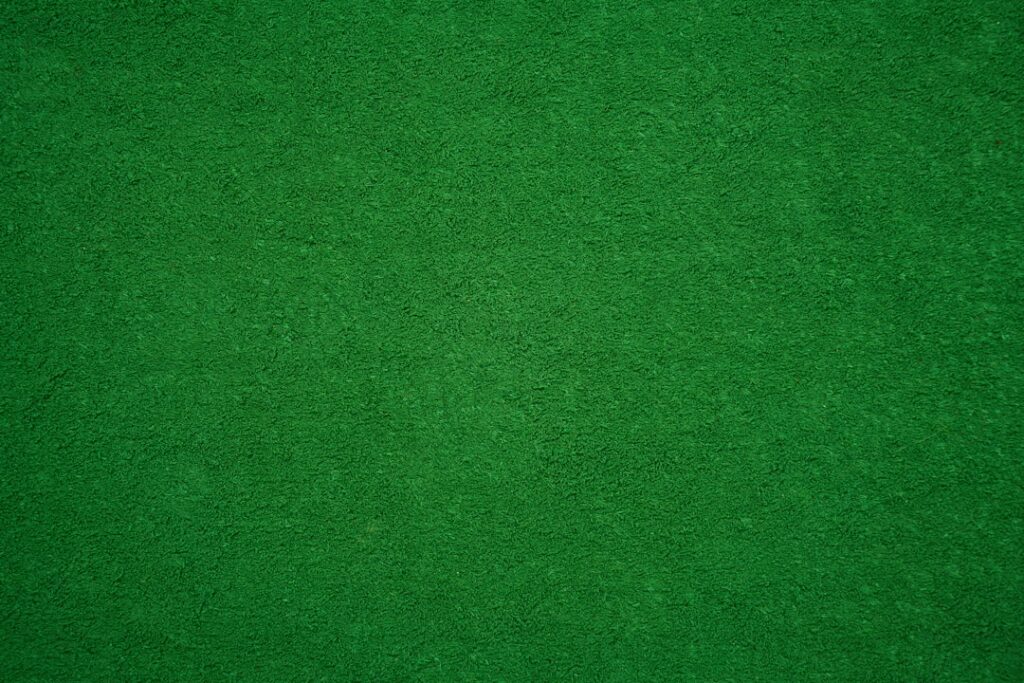
Indoor turf carpet is a form of artificial grass engineered for interior use. It consists of synthetic fibers, usually nylon, polyethylene, or polypropylene, tufted into a backing to mimic the appearance and feel of real grass or a short, dense lawn. Indoor versions are typically shorter and firmer than landscape turf, with drainage holes and backings suited to hard subfloors. The result is a resilient, cushioned surface that looks like grass, resists heavy use, and cleans up quickly, all without soil, water, or sunlight.
Popular Uses for Indoor Turf
Turf carpet indoor installations show up in a surprising range of spaces:
- Home gyms: A durable, grippy surface for sled pushes, functional training, and floor work.
- Golf and putting areas: Short-pile turf makes an ideal indoor putting green.
- Playrooms and kids’ spaces: Soft, cushioned, and easy to wipe clean.
- Sunrooms and three-season porches: A cheerful green floor that handles moisture.
- Basements: Moisture-resistant turf brightens up an otherwise gray space.
- Commercial displays and events: Trade show booths, pet facilities, and retail accents.
Materials and Quality Factors
Not all indoor turf is created equal. Pay attention to a few key specs. Fiber material affects feel and durability, with nylon being the toughest and polyethylene offering a softer, more grass-like touch. Pile height for indoor use usually runs short, around a quarter inch to three quarters of an inch, for a firm, easy-to-clean surface. Face weight, the ounces of fiber per square yard, indicates density and durability, with higher numbers wearing better. Look for a permeable backing with drainage holes if the space may get wet, and check that the product is rated for indoor use and low VOC emissions.
Benefits of Indoor Turf Carpet
The appeal of turf carpet indoor comes down to a practical list of advantages:
- Low maintenance: No mowing, watering, or fertilizing, just occasional vacuuming and rinsing.
- Durability: Handles heavy foot traffic, equipment, and rough play.
- Cushion and safety: Provides a forgiving surface, especially with a foam pad underneath.
- Moisture resistance: Synthetic fibers and drainage backings shrug off spills and damp.
- Consistent looks: Stays green and even year-round with no bare patches.
- Pet friendly: Easy to clean and resistant to odors when maintained.
Cost of Indoor Turf
Indoor turf carpet is competitively priced with mid-range flooring. Materials typically run about 2 to 8 dollars per square foot depending on fiber, density, and quality, with premium sports and putting turf at the higher end. Professional installation, including any foam padding and adhesive, adds roughly 1 to 4 dollars per square foot. A 200-square-foot home gym might land somewhere between 600 and 2,000 dollars installed. Many homeowners choose to install it themselves on smaller areas, which cuts the cost considerably.
Installing Indoor Turf Carpet
Installation is manageable for a confident DIYer on a clean, flat surface:
- Start with a clean, dry, level subfloor and remove any old flooring or debris.
- Add a foam or rubber underpad if you want extra cushion, especially for gyms and play areas.
- Roll out the turf and let it relax and flatten for a few hours before cutting.
- Measure and cut to fit with a sharp utility knife, cutting from the backing side.
- Secure it with double-sided turf tape or adhesive, and seam multiple pieces so the fibers all run the same direction.
- Trim edges cleanly and add transition strips where the turf meets other flooring.
Cleaning and Maintenance
Keeping turf carpet indoor fresh is refreshingly simple. Vacuum or sweep regularly to lift dust and debris, using a suction vacuum rather than a beater bar that can pull fibers. Spot clean spills with mild soap and water, and rinse pet areas with a hose or damp mop as needed, letting the drainage backing do its job. Occasionally brush the fibers against the grain to keep them standing upright and looking full. Avoid harsh solvents and high heat, which can damage synthetic fibers, and your turf will stay green and springy for years.
Is Indoor Turf Right for You?
Indoor turf is a smart pick when you want durability, easy cleaning, and a fun, distinctive look in an active or moisture-prone space. It is less suited to formal living areas or bedrooms, where traditional carpet or hard flooring feels more at home. Consider how the room will be used, whether cushion and grip matter, and how the green aesthetic fits your overall design. For gyms, play spaces, sunrooms, and putting greens, it is hard to beat on practicality and personality.
Pros and Cons to Weigh Before You Buy
Like any flooring, turf carpet indoor installations come with trade-offs worth considering before you commit. On the plus side, indoor turf is remarkably durable, easy to clean, moisture-resistant, and fun, bringing a distinctive green look to spaces that would otherwise feel plain. It handles heavy activity, resists stains, and never needs the watering or mowing of a real lawn. For gyms, play areas, and putting greens, few surfaces match its combination of grip, cushion, and personality. It also tends to stay looking consistent year-round, with no fading patches or worn bald spots when quality product is chosen.
On the other hand, indoor turf is not for every room. Its grass-like appearance can feel out of place in formal living spaces, and lower-quality products may flatten or shed over time. Some turf can trap odors in pet areas if not cleaned regularly, and very dense installations without proper drainage can hold moisture. Weigh these points honestly:
- Pros: durable, low-maintenance, moisture-resistant, cushioned, and visually fun.
- Cons: informal look, potential for odor in pet zones, cheaper grades can flatten.
- Best rooms: gyms, playrooms, sunrooms, basements, and putting greens.
- Avoid in: formal living rooms and bedrooms where softer carpet suits better.
- Quality matters: higher face weight and better fiber resist matting and shedding.
Thinking through these strengths and limits against how you actually plan to use the space ensures you end up delighted with the look rather than surprised by its casual character.
Turf for Homes With Pets
Indoor turf carpet has become a favorite for pet owners, and it is worth understanding both why it works and how to keep it fresh with animals around. The synthetic fibers do not absorb liquid the way natural carpet does, so accidents rinse away rather than soaking in, and a permeable, free-draining backing lets urine pass through instead of pooling on the surface. That makes turf far easier to keep sanitary in a pet area, mudroom, or indoor potty spot than traditional carpet. To keep odors at bay, rinse pet zones regularly with water and use an enzyme-based cleaner designed for artificial grass, which breaks down the compounds that cause smells rather than just masking them. Choosing a turf with an antimicrobial treatment and good drainage from the start pays off in easier maintenance. Vacuum or sweep away hair and debris often, and brush the fibers upright to keep the surface looking full. With this simple routine, indoor turf gives pets a durable, comfortable surface while sparing you the stains and lingering odors that pets can leave in ordinary carpet.
Final Thoughts on Indoor Turf Carpet
Turf carpet indoor gives you the lively, low-maintenance look of grass with the toughness and cleanability of synthetic flooring, making it a standout choice for gyms, playrooms, sunrooms, basements, and putting greens. Choose a fiber and pile height suited to the room, add a pad where cushion matters, and install it on a clean, flat surface for a professional result. With simple vacuuming and occasional rinsing, indoor turf stays green, springy, and inviting for years, turning hardworking spaces into something a little more fun underfoot.