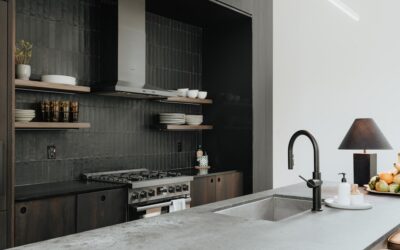
The tile aisle at any home center stocks at least seven different categories of floor tile, each with distinct properties, pricing, and installation requirements. Understanding the types of flooring tiles available helps you avoid the most common mistake: buying a tile rated for walls and using it on the floor, which voids warranties and cracks within months. After tiling more than 50,000 sq ft across kitchens, baths, mudrooms, and commercial jobs, here is the breakdown contractors use when matching tile to application.
Porcelain Tile
Porcelain is fired at higher temperatures than ceramic, producing a denser, harder, and less porous body. Water absorption stays under 0.5%, which makes porcelain suitable for outdoor patios, freeze-thaw climates, and showers. PEI ratings of 4 or 5 indicate the tile can handle residential and light commercial floor traffic.
Pricing runs $2 to $12 per sq ft. Premium porcelain that mimics marble (Daltile Marble Attache, Florida Tile Pietra Art) reaches $8 to $15 per sq ft. Best for kitchens, baths, mudrooms, and entries.
Ceramic Tile
Ceramic is softer than porcelain, with water absorption ranges from 0.5% to 7%. Glazed ceramic suits walls, light-traffic floors, and dry interior spaces. Avoid ceramic in mudrooms, exterior applications, or freeze-thaw climates where moisture causes cracking.
Pricing runs $1 to $6 per sq ft, making ceramic the budget choice for bathroom floors and walls. Brands like American Olean and Daltile carry hundreds of patterns at home centers.
Natural Stone: Marble
Carrara, Calacatta, and Statuario marble bring genuine luxury to bathrooms and kitchens at $7 to $30 per sq ft for material. Marble requires sealing every 1 to 2 years to resist staining from coffee, wine, and citrus.
The downside is acid sensitivity; lemon juice and vinegar etch marble surfaces, leaving permanent dull spots. Use marble in master bathrooms and dining areas, not kitchens with active cooking.
Natural Stone: Travertine
Travertine is a sedimentary stone with characteristic pitting that gives it warm, organic character. Available in honed, tumbled, and polished finishes from $4 to $12 per sq ft. The pits are filled with grout or epoxy during installation; choose unfilled travertine only for outdoor use where drainage matters.
Travertine works in Tuscan, Mediterranean, and rustic kitchens. Avoid in modern minimalist designs where the texture clashes with clean lines.
Natural Stone: Slate
Slate is dense, naturally textured, and forgiving of scratches and chips because the surface is already irregular. Pricing runs $5 to $15 per sq ft. The matte finish hides dirt and water marks better than polished stone.
Slate suits mudrooms, entries, and rustic kitchens. The natural color variation (black, charcoal, multicolor) requires careful blending across boxes during installation.
Natural Stone: Granite and Limestone
Granite tile (rare in floors but available in 12×12 and 24×24 formats) costs $5 to $20 per sq ft and offers nearly indestructible durability. Limestone at $6 to $15 per sq ft brings soft creams and beiges but stains easily and requires aggressive sealing.
Both are mainly specialty choices for high-end installations. Most homeowners get better value from premium porcelain that mimics these stones.
Glass Tile
Glass tile is mainly a backsplash and shower wall product, not a floor tile. Pre-blended glass mosaic floor tile exists for shower pans (1-inch hex with grippy back) but is not appropriate for general floor use due to slipperiness.
If you must use glass on a floor, look for tile with a slip-resistant coating (DCOF rating above 0.42) and limit to small accent areas.
Cement Tile (Encaustic)
Cement tile features pigmented patterns embedded in concrete, creating bold geometric and floral designs. Brands like Cement Tile Shop, Granada Tile, and Villa Lagoon Tile sell handmade tiles for $8 to $20 per sq ft.
Cement requires aggressive sealing (every 6 to 12 months in wet areas) to prevent staining. Best for entries, powder rooms, and accent areas where pattern is the design feature.
Terrazzo Tile
Modern terrazzo tile combines marble or glass chips in a cement or epoxy binder. Available as poured-in-place flooring or as 16×16 to 24×24 tiles for $7 to $25 per sq ft. Terrazzo holds up to commercial traffic and never goes out of style for very long.
Pre-fab terrazzo tile from Daltile and Cle Tile installs like porcelain. Poured terrazzo requires a specialty installer and runs $25 to $90 per sq ft.
Wood-Look Porcelain Plank
Wood-look porcelain in plank format (6×36 or 9×48) gives the appearance of hardwood with the durability and waterproofing of tile. Top brands like Mediterranea, Marca Corona, and Florida Tile produce textures and grain patterns that pass for real wood from 4 feet away.
Pricing runs $4 to $9 per sq ft. Installation requires careful planning because plank tiles cannot be staggered more than 30% to 33% on the long edge or lippage develops at the high points of natural tile warpage.
How to Choose the Right Tile Type
- Kitchens: Porcelain (rated PEI 4+), wood-look porcelain plank
- Bathrooms: Porcelain, ceramic (light traffic), marble (master baths)
- Mudrooms and entries: Porcelain or slate
- Showers: Glass mosaics (floor), porcelain (walls), ceramic subway
- Outdoor patios: Porcelain rated for freeze-thaw, slate, travertine
- Statement pieces: Cement encaustic tile, marble mosaic, terrazzo
Installation Cost Guidance
Labor pricing for tile in 2026:
- Standard 12×12 or 12×24 tile: $5 to $9 per sq ft
- Large format (24×24 or larger): $7 to $12 per sq ft
- Mosaic and small format: $10 to $20 per sq ft
- Pattern work (herringbone, basketweave): $8 to $15 per sq ft
- Natural stone with sealing: $9 to $18 per sq ft
FAQ: Types of Flooring Tiles
What is the most durable floor tile? Porcelain at PEI 5 handles the heaviest residential and light commercial traffic.
Is porcelain better than ceramic for floors? Yes, in nearly every case. Porcelain is denser, less porous, and more frost-resistant.
What tile is best for high-traffic areas? Porcelain (PEI 4 or 5) or slate. Both hide wear well.
Can I use wall tile on the floor? No. Wall tile lacks the abrasion resistance to handle foot traffic and will scratch and crack.
Which tile is easiest to maintain? Glazed porcelain. It needs only sweeping and occasional damp mopping with neutral cleaner.
Prefer to explore on your own?
See how new flooring looks in your actual room in seconds — free, no signup.
Try the free Floor Studio →