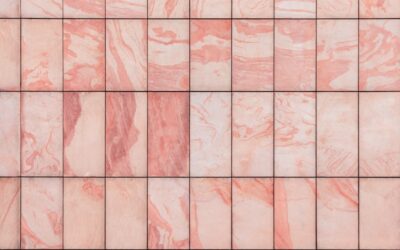
White herringbone tile takes the most timeless color in design and gives it movement. Where a straight grid of white tile can read flat and expected, the interlocking V of a herringbone layout pulls the eye across the surface and adds quiet energy without a single bit of color. It is bright, it bounces light around a room, and it flatters nearly every style from farmhouse to modern. This guide covers how to lay it, how to grout it, and where the pattern earns its keep.
Part of our Tile & Grout guide — explore the full guide →
- Why White Herringbone Works Everywhere
- Choosing the Tile Shape
- Layout Angle Sets the Mood
- Grout: The Make-or-Break Choice
- Best Rooms for White Herringbone
- Material Choices and Cost
- Styling White Herringbone by Room Aesthetic
- Maintenance and Longevity
- Installation Challenges to Expect
- Tips for a Crisp Finished Look
Why White Herringbone Works Everywhere
White reflects light, so a white herringbone wall or floor makes a small or dim room feel larger and brighter. The herringbone pattern adds texture and craftsmanship that a plain running bond cannot, which is why it reads as elevated even in an inexpensive ceramic. Because the color is neutral, it never fights your cabinetry, fixtures, or paint, and it lets you change the rest of the room around it over the years without the tile ever looking dated.
The combination of a clean color and a dynamic layout is what gives white herringbone its staying power. It feels both classic and current at once.
Choosing the Tile Shape
Herringbone is a layout, not a tile, so the individual pieces matter. The proportions of the tile change the whole feel of the finished pattern.
- Classic subway (2:1 ratio): a 2-by-4 or 3-by-6 white subway tile gives a tight, traditional herringbone perfect for backsplashes.
- Elongated planks: a slim 2-by-8 or 4-by-12 tile creates a stretched, modern herringbone with fewer joints.
- Marble and stone-look: white Carrara or marble-look porcelain in a herringbone adds veining and luxury.
- Glossy vs matte: glossy white maximizes light and shine, while matte white feels softer and more contemporary.
Layout Angle Sets the Mood
Herringbone can be laid in two main orientations, and the choice changes the room. A traditional herringbone runs the Vs at a 45-degree angle to the wall, creating strong diagonal movement that feels dynamic and draws the eye outward. A straight or 90-degree herringbone, where the pattern points straight up or across, feels more orderly and contemporary. On a floor, a diagonal herringbone can make a narrow room feel wider, while a vertical herringbone backsplash draws the eye up and makes a ceiling feel taller.
Whichever angle you choose, start from a centered reference line and dry-lay a section first. Herringbone is unforgiving of a crooked start, and the diagonal cuts at the edges need planning so you do not end up with tiny slivers in the corners.
Grout: The Make-or-Break Choice
With white tile, the grout color is the loudest design decision you will make. It defines how much the pattern shows.
- White or bright grout: the tiles blend into a soft, seamless field where the herringbone reads subtly through the sheen. Clean and serene, but shows dirt.
- Light gray grout: the most popular middle ground. It outlines each tile just enough to make the herringbone pop while staying easy to keep clean.
- Dark or charcoal grout: maximum contrast that turns the pattern into a bold graphic statement. Striking, but demands precise, even joints.
For most homeowners, a light gray grout gives the best of both worlds: it celebrates the herringbone geometry without the harshness of black or the upkeep of pure white.
Best Rooms for White Herringbone
The kitchen backsplash is the natural home for white herringbone, where it adds craftsmanship behind a range without competing with the counters. In bathrooms, it wraps a shower or accent wall in bright, easy-to-clean texture. On floors, a white herringbone in porcelain works in entryways, mudrooms, and laundry rooms, especially where you want to lighten and enlarge a tight space. It also makes a stunning fireplace surround.
Material Choices and Cost
White herringbone spans a wide price range depending on material. Basic glazed ceramic subway is the budget-friendly path and looks sharp in a herringbone despite the low cost. Porcelain adds durability and works on floors as well as walls. Marble and marble-look tiles bring luxury and veining but cost more and, in the case of real marble, demand sealing. Handmade and zellige tiles sit at the top for their artisan variation. Because herringbone uses more cuts at the perimeter, budget an extra 10 to 15 percent for waste beyond a standard straight layout.
Styling White Herringbone by Room Aesthetic
The beauty of a neutral pattern is how it adapts to any style around it. In a farmhouse kitchen, white herringbone with light gray grout pairs with shaker cabinets and brass hardware for a warm, classic feel. In a modern space, a matte white elongated herringbone with charcoal grout reads crisp and architectural. For a spa bathroom, glossy white herringbone with soft white grout keeps things serene and bright. The tile stays constant; the grout, fixtures, and surroundings shift it across every design direction.
Maintenance and Longevity
White tile shows less dirt than people fear, but the grout does the aging. Sealed grout and prompt wiping keep the bright look intact for years. On a backsplash, grease is the main enemy, so a quick wipe after cooking prevents buildup in the joints. On a floor, sweep grit that can dull a glossy finish over time. Because the color is neutral and the pattern is classic rather than trendy, a white herringbone installation rarely needs replacing for style reasons; it simply keeps looking current.
Installation Challenges to Expect
Herringbone is more demanding to install than a simple grid, and knowing the pitfalls up front saves frustration. The diagonal layout means far more cut tiles at the perimeter, each one angled, so the edges take longer and waste more material. Keeping the pattern true requires constant checking against your reference lines, because a small drift early on multiplies into a visibly crooked pattern by the far wall. Setting a jig or working off a snapped 45-degree guideline helps enormously. If you are new to tiling, herringbone on a small backsplash is a better first project than a whole floor, where the cumulative alignment challenge is greater.
Tips for a Crisp Finished Look
To get the clean result white herringbone is known for, use tile spacers religiously and check your alignment every few rows, since small errors compound fast in a diagonal pattern. Keep grout haze off glossy white tile by wiping promptly and buffing with a dry microfiber cloth. If you chose a light-colored grout, seal it and wipe spills quickly to keep the bright look from graying over time. Done with care, white herringbone tile delivers a pattern that feels custom and looks fresh for decades.
Prefer to explore on your own?
See how new flooring looks in your actual room in seconds — free, no signup.
Try the free Floor Studio →