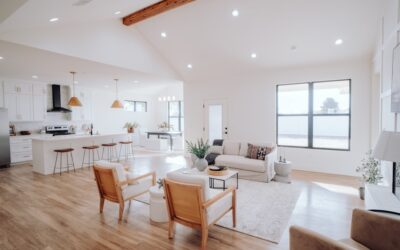
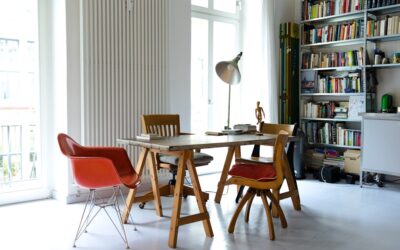
Pick the wrong floor for your kitchen and you will scrub grout stains, chase water damage, or replace planks inside five years. The best types of kitchen flooring balance three things: water resistance, scratch resistance, and comfort underfoot. There are only six materials that truly check all three boxes, and each one has a specific use case where it shines.
1. Luxury Vinyl Plank (LVP)
LVP is the category leader for kitchen remodels in 2024-2025. A 20-mil wear-layer plank from brands like COREtec, Karndean, or Shaw Floorte runs $3-$7 per sq ft and handles spills, dog nails, and dropped skillets without flinching. Floating click-lock installation takes a weekend for a DIYer.
The downside: cheap LVP under $2 per sq ft dents under heavy furniture and fades near south-facing windows. If you buy LVP, buy the 20-mil wear layer or better. Avoid 6-mil and 12-mil products for kitchens.
While you’re upgrading the kitchen floor, it might be a good time to rethink the seating too. Swapping out old bar stools is one of those small changes that makes the whole room feel more pulled together.
We may earn a commission when you purchase through our links.
2. Porcelain Tile
Porcelain is the most durable kitchen floor material on the market. Rated PEI 4 or 5 porcelain survives decades of abuse and handles water like nothing happened. Wood-look and stone-look planks (Daltile Emerson Wood, Marazzi Montagna) deliver the aesthetic of hardwood or travertine without the maintenance headaches.
- Cost: $3-$12 per sq ft for material, $8-$15 per sq ft installed
- Lifespan: 50+ years
- Best for: heavy-use kitchens, warm climates, radiant heat systems
- Downside: hard on feet and dropped glassware shatters
Grout is porcelain’s weak spot. Specify a urethane or epoxy grout (Mapei Flexcolor CQ, Laticrete Spectralock) and skip the cement grout upsell.
3. Engineered Hardwood
Engineered hardwood gives you the look and warmth of real wood with better dimensional stability than solid hardwood. A 3mm-wear-layer plank from Mirage, Kahrs, or Lauzon can be refinished once or twice over its life. Expect $6-$14 per sq ft installed.
Hardwood in a kitchen demands discipline. Wipe spills within 10 minutes, use a runner in front of the sink, and never let the dishwasher leak go unaddressed for more than a day. Oak and hickory are the most forgiving species. Avoid maple – it shows every scratch.
4. Ceramic Tile
Ceramic is porcelain’s softer cousin. It costs less ($1.50-$6 per sq ft) and is easier to cut and install, but it chips more readily and has higher water absorption (3-7 percent versus porcelain’s 0.5 percent). For a budget kitchen remodel in a low-humidity climate, ceramic is a reasonable pick. For a laundry-kitchen combo or a beachfront home, spring for porcelain.
5. Natural Stone (Travertine, Slate, Limestone)
Stone delivers character that no manufactured product can fake. Slate’s natural cleft texture hides dirt and provides slip resistance. Travertine adds a Mediterranean warmth. Expect $7-$20 per sq ft installed, plus annual sealing.
Stone is the highest-maintenance option on this list. It stains from tomato sauce, wine, and olive oil if left unsealed or if the sealer has worn off. Reseal every 12-18 months with a penetrating sealer like StoneTech BulletProof.
6. Cork Flooring
Cork is the dark-horse kitchen choice. It is warm underfoot, naturally antimicrobial, and absorbs sound. Sealed cork planks (Torlys, WE Cork) handle kitchen traffic well, with pricing around $4-$8 per sq ft. The finish needs re-coating every 5-7 years in a busy kitchen.
Cork dents under sharp chair legs and point loads. Use chair glides and avoid dropping heavy cans directly on the floor.
What to Avoid in Kitchens
Carpet is a non-starter. Laminate floors, even water-resistant ones, fail at seams when a dishwasher leaks. Solid hardwood in a kitchen is a gamble unless you are ultra-disciplined about spills. Sheet vinyl is durable but looks dated – modern LVP delivers the same waterproofing with a far better aesthetic.
How to Choose for Your Kitchen
- Define your budget per square foot including installation, underlayment, and trim.
- Assess foot traffic – a galley kitchen in an empty-nester home has different demands than an open-concept kitchen in a household with three kids and two dogs.
- Factor in subfloor. Concrete slabs favor LVP and tile. Suspended wood subfloors favor engineered hardwood and LVP.
- Consider radiant heat compatibility. Tile is ideal; hardwood is restricted; cork needs specific products.
- Decide on maintenance tolerance. If you will not reseal stone annually, do not buy stone.
Installation and Longevity Expectations
Porcelain tile lasts 50+ years with minor grout repairs. Engineered hardwood lasts 25-40 years with one refinish. LVP lasts 15-25 years depending on wear layer. Cork lasts 20-30 years with re-coating. Match your flooring investment to how long you plan to stay in the home.
Bottom Line
For most homeowners, 20-mil LVP is the best value in a kitchen floor today. If durability is paramount and comfort is secondary, go porcelain. If warmth and resale value matter most, engineered hardwood is your pick. The wrong move is choosing cheap laminate or entry-level LVP – those are the floors you will replace in seven years.
Prefer to explore on your own?
See how new flooring looks in your actual room in seconds — free, no signup.
Try the free Floor Studio →