The unsanded vs sanded grout decision comes down to one factor more than any other: the width of your grout joints. Choose correctly, and your tile installation looks clean, stays durable, and holds up for decades. Choose wrong, and you face cracking, shrinkage, and joints that crumble within a few years.
After 30 years of tile installation, we have seen every grout failure mode. Cracked grout in showers, crumbling joints on floors, and stained lines that no amount of cleaning can fix — nearly all of these problems trace back to using the wrong grout type for the application. This guide gives you the clear rules so you get it right the first time.
What Is Sanded Grout
Sanded grout is a cement-based grout with fine sand particles mixed into the formula. The sand serves as a filler and structural reinforcement. When the grout cures, the sand particles interlock and create a strong, durable joint that resists cracking and shrinkage in wider gaps.
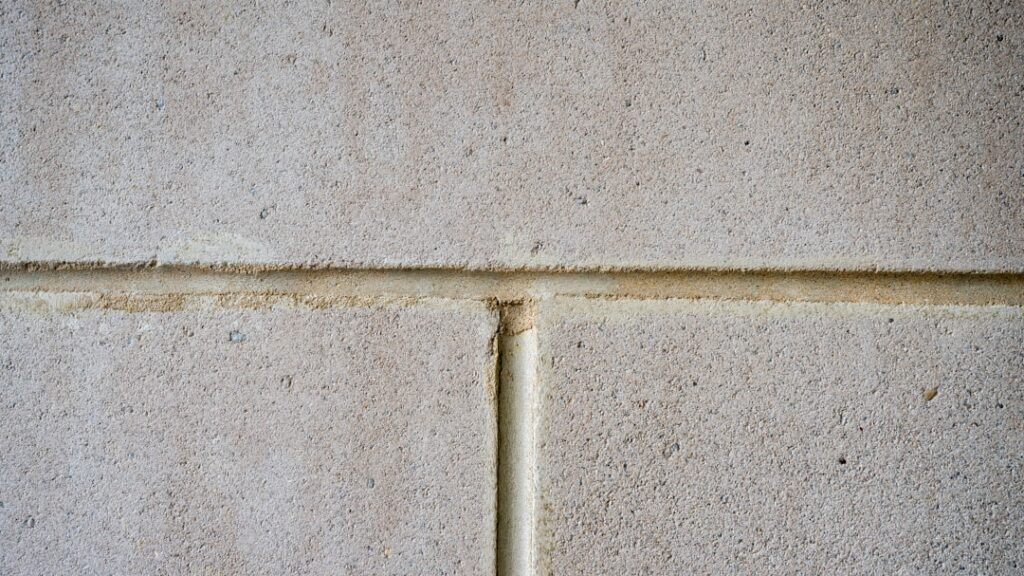
The texture of sanded grout is noticeably gritty. When you run your finger across a cured sanded grout line, you can feel the granular surface. This texture provides a slight grip, which is actually beneficial in floor applications for traction.
Key characteristics of sanded grout:
- Contains fine silica sand for structural strength
- Designed for grout joints 1/8 inch and wider
- Rough, textured finish
- Excellent resistance to shrinkage and cracking
- Stronger bond in wide joints
- Available in standard cement and polymer-modified formulas
Most floor tile installations and wall tile installations with wider spacing use sanded grout. It is the workhorse of the tile industry and accounts for the majority of residential grout applications.
What Is Unsanded Grout
Unsanded grout is a cement-based grout without sand additives. It has a smooth, paste-like consistency that flows easily into thin joints and produces a refined, polished finish. Without the sand aggregate, unsanded grout is softer and less abrasive, making it the right choice for delicate tile materials.
Key characteristics of unsanded grout:
- Smooth, sand-free formula
- Designed for grout joints narrower than 1/8 inch
- Smooth, refined finish
- Will not scratch polished or soft tile surfaces
- Adheres well to vertical surfaces (walls) due to stickier consistency
- More prone to shrinkage in wider joints
Unsanded grout is standard for wall tile, backsplashes, polished marble and granite tile, glass tile, and any installation where joint widths are kept tight. Its smooth texture makes it easier to wipe clean during installation and produces a sleeker finished look.
The Joint Width Rule
The most important rule in the unsanded vs sanded grout decision is straightforward:
- Joints 1/8 inch (3mm) or narrower: Use unsanded grout
- Joints wider than 1/8 inch (3mm): Use sanded grout
This is not a suggestion — it is a structural requirement. Here is why:
When unsanded grout is used in wide joints, it lacks the bulk and structural support to fill the gap properly. As it cures and dries, it shrinks. In a narrow joint, the shrinkage is negligible. In a wide joint (1/4 inch or more), the shrinkage creates visible cracks, gaps, and a weak joint that crumbles under foot traffic.
When sanded grout is used in narrow joints, the sand particles are too large to pack densely into the thin space. The grout does not fill the joint completely, leaving voids and weak spots. Additionally, the gritty sand can scratch the edges of polished or soft tiles as you work it into tight spaces.
Common joint widths by tile type:
- Rectified (precision-cut) porcelain: 1/16 to 1/8 inch — unsanded
- Standard porcelain and ceramic: 1/8 to 3/16 inch — sanded
- Natural stone: 1/8 to 1/4 inch — sanded
- Mosaic tile sheets: 1/16 to 1/8 inch — unsanded
- Subway tile: 1/16 to 1/8 inch — unsanded or sanded depending on exact width
- Large format tile (24 inches+): 1/16 to 1/8 inch — unsanded
Durability Comparison
In their correct applications, both grout types are durable. Problems arise when they are used outside their intended joint width range.
Sanded grout durability:
- Extremely durable in floor applications — handles foot traffic, furniture, and impact
- The sand aggregate provides compressive strength similar to concrete
- Resists cracking in joints that experience movement or slight shifting
- Holds up well in wet environments when properly sealed
- Expected lifespan: 15 to 20+ years on floors with proper maintenance
Unsanded grout durability:
- Performs well on walls and low-traffic surfaces
- Less compressive strength than sanded — not ideal for heavy floor traffic
- Excellent adhesion to vertical surfaces due to its sticky consistency
- More susceptible to cracking under stress or structural movement
- Expected lifespan: 10 to 15+ years on walls, less on floors
For floor tile installations, sanded grout is almost always the better choice for durability. Even if your joint width technically falls in the unsanded range (just under 1/8 inch), sanded grout’s superior strength makes it the safer option for any surface that bears weight and foot traffic.
Shrinkage Differences
Shrinkage is the primary reason the joint width rule exists. All cement-based grout shrinks as it cures — the water evaporates, and the material contracts slightly. Sand mitigates this shrinkage by occupying physical space within the joint.
Sanded grout shrinks minimally because the sand particles take up volume that would otherwise be lost to water evaporation. In a 1/4-inch joint, sanded grout might shrink 1 to 2%, which is virtually invisible.
Unsanded grout in the same 1/4-inch joint might shrink 5 to 10%, creating visible cracks and gaps. In its correct application (joints under 1/8 inch), the shrinkage is proportionally small and unnoticeable.
Signs of shrinkage-related grout failure:
- Hairline cracks running along the center of grout lines
- Grout pulling away from tile edges
- Visible gaps or dips in the grout surface
- Grout that crumbles when scraped with a fingernail
If you are seeing these signs, the grout likely needs to be removed and replaced with the correct type. Attempting to patch shrinkage-cracked grout with more of the same product will result in the same failure.
Color Options and Consistency
Both sanded and unsanded grout are available in a wide range of colors, from bright white to charcoal black and everything in between. However, there are differences in how they look once installed.
Sanded grout color: The sand particles create a slightly speckled, textured appearance. Colors tend to look slightly muted or natural because the sand dilutes the pigment. Sanded grout is more forgiving of minor color inconsistencies because the texture disguises variations.
Unsanded grout color: Produces a smoother, more uniform color appearance. Colors look richer and more consistent because there is no sand to dilute the pigment. Unsanded grout makes color differences between batches more visible, so buy all your grout from the same production lot.
Color matching tips:
- Grout always dries lighter than it looks when wet — choose one shade darker than your target
- Test your grout color on a spare tile before committing to the full installation
- Mix all bags of grout together (dry) before starting to ensure consistent color
- Consistent water ratios between batches are critical for uniform color
Sealing Requirements
Sealing is an essential step for both unsanded vs sanded grout types, but there are differences in how they respond to sealers.
Sanded grout sealing: Must be sealed. The porous, textured surface absorbs liquids, stains, and bacteria readily if left unsealed. Apply a penetrating sealer 48 to 72 hours after grouting (once fully cured). Reapply sealer annually in wet areas (showers, bathroom floors) and every two to three years in dry areas.
Unsanded grout sealing: Also should be sealed, though its smoother, denser surface is slightly less porous than sanded grout. Sealing is especially important in wet environments. Follow the same timeline as sanded grout for initial sealing and maintenance.
Epoxy grout (an alternative): If you want to skip sealing entirely, consider epoxy grout. It is waterproof, stain-proof, and never needs sealing. Epoxy grout works in both wide and narrow joints and comes in sanded and unsanded versions. The trade-off is higher cost ($5 to $10 per pound vs $0.50 to $1 for cement grout) and a shorter working time during installation.
Recommended sealers:
- Aqua Mix Sealer’s Choice Gold — penetrating sealer for natural stone and grout
- StoneTech BulletProof Sealer — maximum stain protection
- Miracle Sealants 511 — industry standard, widely available
Cost Comparison
Grout is one of the least expensive components in a tile installation, but costs still vary between types.
Sanded grout: $0.50 to $1.50 per pound. A 25-pound bag covers 75 to 200 square feet depending on tile size and joint width. Total cost for a typical bathroom floor: $8 to $20.
Unsanded grout: $0.75 to $2.00 per pound. Slightly more expensive per pound because of the finer formulation. A 10-pound bag covers 60 to 160 square feet. Total cost for a typical backsplash: $5 to $15.
Epoxy grout: $5 to $10 per pound. Significantly more expensive but eliminates sealing costs and provides superior durability. Best suited for showers, commercial kitchens, and high-moisture areas where long-term performance justifies the premium.
Sealer costs: $10 to $25 per bottle, covering 200 to 500 square feet. Factor this into the total cost since both sanded and unsanded cement grout require it.
In the context of a total tile project (tile, mortar, grout, sealer, labor), grout accounts for less than 5% of the cost. Choosing the right type matters far more than saving a few dollars on the wrong one.
Which Grout for Which Application
Here is a definitive guide for common tile projects:
Use sanded grout for:
- Floor tile (any material, any room)
- Shower floors
- Outdoor tile and pavers
- Any joint wider than 1/8 inch
- Ceramic and porcelain wall tile with wider spacing
- Countertop tile with standard joints
Use unsanded grout for:
- Wall tile with joints under 1/8 inch
- Glass tile (sanded grout can scratch glass)
- Polished marble and granite tile
- Mosaic tile sheets
- Rectified tile with minimal joints
- Backsplash installations
Consider epoxy grout for:
- Shower walls and floors (no sealing needed)
- Kitchen backsplashes behind stoves (grease-resistant)
- Commercial and high-traffic floors
- Pool tile and water features
- Any area where maximum stain resistance is critical
Frequently Asked Questions
Can I use sanded grout on glass tile?
No. The sand particles in sanded grout will scratch glass tile surfaces during application. Always use unsanded grout or epoxy grout for glass tile installations. If your glass tile has wider joints (over 1/8 inch), use unsanded epoxy grout, which provides the strength of sanded grout without the abrasion risk.
What happens if I use unsanded grout in wide joints?
Unsanded grout will shrink and crack in joints wider than 1/8 inch. You may not see the cracks immediately — they often appear days to weeks after installation as the grout fully cures. Once cracked, the grout must be removed and replaced with sanded grout. There is no effective way to patch shrinkage cracks.
Do I need to seal both sanded and unsanded grout?
Yes. Both types are cement-based and porous. Without a sealer, they absorb water, stains, and bacteria. The only exception is epoxy grout, which is inherently waterproof and stain-resistant. Seal cement grout 48 to 72 hours after installation and reapply annually in wet areas.
Can I mix sanded and unsanded grout in the same project?
Yes, this is common in projects where different areas have different joint widths. For example, you might use sanded grout on the floor and unsanded grout on the backsplash. Buy the same brand and color for both to ensure a consistent appearance. The slight texture difference is rarely noticeable between floor and wall applications.
Is there a grout that works for all joint widths?
Epoxy grout is the closest thing to a universal option. It comes in both sanded and unsanded formulas and does not shrink like cement grout. However, it is more expensive and harder to work with. For most residential projects, choosing the correct cement-based grout (sanded or unsanded) based on joint width is the most practical and economical approach.