The phrase upscale vinyl flooring would have sounded like a contradiction a decade ago, but premium luxury vinyl now rivals real hardwood and stone in looks while outperforming both on durability and water resistance. The difference between cheap vinyl and a truly upscale product comes down to thicker wear layers, realistic texture, wider planks, and refined finishes. This guide explains what separates premium vinyl from the bargain bin and how to choose a floor that reads as genuinely high-end.
What Makes Vinyl Flooring Upscale
Premium vinyl earns its status through several engineering and design upgrades. These features distinguish an upscale product from an ordinary one:
- Thick wear layer: 20 mil or more for superior scratch and dent resistance
- Realistic embossing: embossed-in-register texture aligned with the printed grain
- Wide and long planks: larger formats that mimic premium hardwood
- Rigid SPC or WPC core: a solid, quiet, stable feel underfoot
- Beveled or painted edges: defined plank lines that look authentic
- Attached premium underlayment: added comfort and sound dampening
The most convincing upscale vinyl uses high-resolution printing with multiple plank patterns to avoid the repeating-grain effect that gives cheap vinyl away. The result is a floor that even contractors look at twice.
Premium Looks and Styles
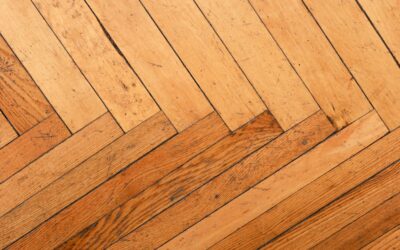
Upscale vinyl excels at replicating high-end materials. Wide European oak looks in light, natural, and smoked tones are especially popular, as are realistic marble and limestone visuals for bathrooms and kitchens. Herringbone and chevron patterns, once exclusive to expensive parquet, now appear in premium vinyl collections at a fraction of the cost.
Texture is where premium product shines. Wire-brushed, hand-scraped, and sawn-mark surfaces add tactile authenticity, and matte finishes read far more sophisticated than the glossy sheen of budget vinyl. These details are what make the floor feel luxurious rather than imitative.
The Pros of Going Upscale
Premium vinyl combines the best of both worlds: the appearance of wood or stone with vinyl’s practical advantages. It’s fully waterproof, so you can install the same beautiful floor throughout the home, including kitchens and bathrooms where real wood would fail. The thick wear layer resists pets, kids, and heavy furniture, and the rigid core feels solid and quiet, not hollow or springy.
Maintenance is minimal, just sweeping and damp mopping, and a quality upscale product can last 20 to 30 years. For homeowners who want a high-end look without the upkeep and vulnerability of natural materials, premium vinyl is hard to beat.
The Cons to Consider
Upscale vinyl costs more than standard vinyl, narrowing the price gap with engineered hardwood, so the value proposition depends on your priorities. It still can’t be refinished; when the wear layer eventually fails, the floor must be replaced rather than restored. And while quality buyers increasingly accept premium vinyl, it doesn’t carry the same resale prestige as genuine hardwood in high-end markets.
There’s also the realism ceiling: even the best vinyl is a printed surface, so under close inspection it won’t fully match real wood’s depth or stone’s variation. For most homeowners, though, the practical benefits outweigh this.
What Upscale Vinyl Costs
Premium vinyl sits at the top of the category’s price range. As a general guide, upscale LVP and LVT materials run roughly $5 to $10 per square foot, with the most premium collections higher. Installed costs typically add $3 to $6 per square foot in labor. That puts a finished premium vinyl floor in the same neighborhood as mid-grade engineered hardwood, which is the trade-off to weigh.
SPC Versus WPC Cores in Premium Vinyl
Most upscale vinyl uses a rigid core, and the two main types behave differently enough to influence your choice. SPC, or stone plastic composite, packs limestone into a dense, hard core that’s extremely dimensionally stable, resists dents from heavy furniture, and handles temperature swings well, making it ideal for sunrooms, basements, and homes with big climate variation.
WPC, wood plastic composite, uses a foamed core that’s slightly thicker, warmer, and softer underfoot, with a more cushioned feel and better sound absorption. It’s a touch more comfortable for living spaces but somewhat less resistant to heavy point loads than SPC. Neither is universally better; SPC favors stability and durability, while WPC favors comfort and quiet. Premium collections often offer both, so match the core to the room.
Where Upscale Vinyl Makes the Most Sense
Premium vinyl shines in situations where you want a high-end look but real materials would struggle. Open-concept main floors benefit from running one beautiful, waterproof surface continuously through the kitchen, dining, and living areas, something hardwood can’t safely do near the sink and dishwasher. Bathrooms and laundry rooms gain a luxurious wood or stone look without water risk.
It’s also a smart choice for households that are hard on floors, families with kids and pets, vacation rentals, and homes with radiant heat where compatible. In high-end markets where buyers expect hardwood, you may still prefer real wood in formal living areas for resale, then use premium vinyl in the practical zones. Matching the material to the room’s demands is how you get the most from its strengths.
How to Choose the Right Product
Start with the wear layer, demand at least 20 mil for an upscale floor, then evaluate texture, plank size, and edge treatment in person. Order samples and view them in your own lighting, since showroom lights flatter everything. Confirm the core type (SPC for hardness and stability, WPC for a slightly softer, warmer feel) and check the warranty, which should be substantial on a premium product.
Buy from a reputable retailer and, for large installs, use an experienced installer who preps the subfloor properly. Get the details right and upscale vinyl flooring delivers a genuinely high-end look with everyday durability that natural materials simply can’t match.
Upscale vinyl has earned its place alongside hardwood and stone by delivering a genuinely high-end look without the vulnerabilities of natural materials. For homeowners who want beauty, waterproof durability, and low maintenance in one floor, it’s one of the smartest choices on the market today. Insist on a thick wear layer, realistic texture, and a quality core, view samples in your own home, and hire a careful installer, and premium vinyl will look luxurious and perform flawlessly for decades.
Prefer to explore on your own?
See how new flooring looks in your actual room in seconds — free, no signup.
Try the free Floor Studio →