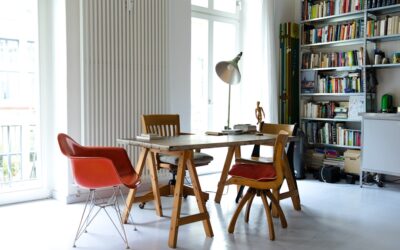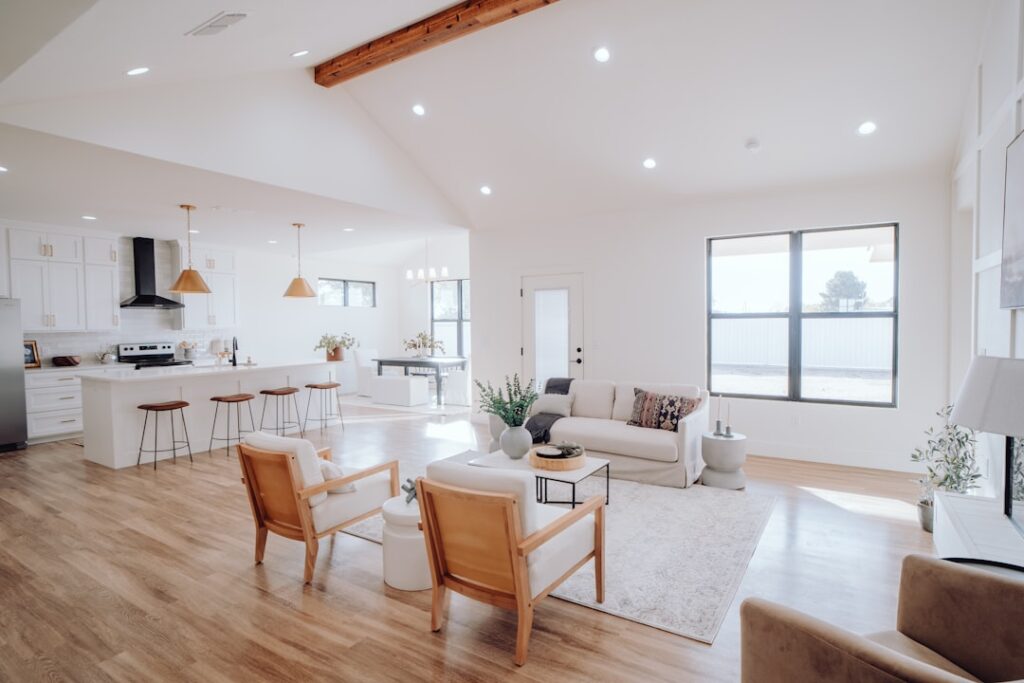
Few floor colors feel as welcoming as a soft, creamy off-white, and that warm pale tone is exactly what the term vanilla flooring describes: a gentle cream or warm beige finish that brightens a room without the starkness of pure white. It is the look behind so many calm, light-filled Scandinavian and coastal interiors, where the floor reflects light, opens up the space, and gives furniture and decor a soft, neutral stage to sit on. Whether you find it as a named product or simply choose a vanilla-toned plank, the appeal is the same.
- What “Vanilla” Means for a Floor
- Choosing the Right Vanilla Shade
- Materials That Deliver the Vanilla Look
- Styling a Vanilla Floor
- Pros of Vanilla Flooring
- Cons to Consider
- Maintenance and How to Evaluate Quality
- Pairing Vanilla Floors With Your Decor
- How Vanilla Performs Room by Room
- Is Vanilla Flooring Right for You?
This guide explains what the vanilla look means, how to choose the right warm cream shade, the materials available, and the practical pros and cons of living with a pale floor.
What “Vanilla” Means for a Floor
Think of vanilla as the color of the dessert it is named after: a warm, creamy off-white with subtle yellow or beige undertones rather than a cold, blue-white. On a floor, that translates to light planks that feel soft and inviting instead of clinical. The undertone is what defines it; a true vanilla floor leans warm, which keeps a room feeling cozy even in bright, airy spaces.
If a product is marketed under the vanilla name, confirm whether you are buying a specific color finish, since the practical advice is the same: it is a styling choice built around a warm, pale tone.
Choosing the Right Vanilla Shade
Pale floors live and die by their undertone, so this is the most important decision. The options run along a warm-to-cool spectrum:
- Warm vanilla cream: A soft off-white with gentle yellow or golden undertones, the truest “vanilla.” Cozy and forgiving, it pairs with both warm and neutral decor.
- Greige vanilla: A cream with a touch of gray, which reads slightly cooler and more contemporary while staying soft.
- Natural light oak: A pale wood tone with visible grain, giving a vanilla feel with more texture and character.
Always test samples in your own room at different times of day. North-facing rooms can pull a cream toward gray, while strong sun can make it look almost white, so the real-world light matters far more than the showroom.
Materials That Deliver the Vanilla Look
You can achieve a warm cream floor in nearly any material, and the choice sets durability and cost:
- Hardwood: Pale oak or maple with a clear or whitewashed finish gives genuine wood warmth and decades of life.
- Luxury vinyl plank (LVP): Waterproof, durable, and the easiest way to get a consistent vanilla tone affordably, ideal for kitchens and bathrooms.
- Laminate: The budget option, with crisp printed cream wood visuals and a tough wear layer.
- Porcelain tile: Cream wood-look or stone-look tile for full waterproofing and a cooler feel underfoot.
For homes with pets, kids, or moisture concerns, vanilla-toned LVP is the practical favorite. Hardwood is worth the premium for those who want real, refinishable wood.
Styling a Vanilla Floor
A pale cream floor is a designer’s blank canvas. It makes rooms feel larger and brighter, bounces natural light, and lets bolder furniture and art take center stage. It works beautifully with white and soft neutral walls for an airy Scandinavian look, and it balances darker cabinetry, black fixtures, or rich textiles by keeping the overall scheme light.
To avoid a washed-out or flat result, add contrast and texture: a wood-toned table, woven rugs, greenery, or darker accents give the eye something to rest on. The warm undertone of true vanilla helps the space feel cozy rather than sterile.
Pros of Vanilla Flooring
- Brightens and enlarges a room by reflecting light.
- Warm, welcoming neutral that suits many decor styles.
- Hides dust and pet hair better than very dark floors.
- Timeless appeal that pairs with changing furniture and color schemes.
- Flexible material choice across every budget and room type.
Cons to Consider
- Shows dark debris and stains: Mud, spills, and dark scuffs stand out on a pale floor.
- Undertone risk: The wrong cream can look yellow, dingy, or gray in poor light.
- Can feel flat: Without contrast and texture, a vanilla room may look washed out.
- More frequent cleaning: Light floors reveal dirt sooner, so they need regular attention.
- Matching difficulty: Touching up a creamy hardwood stain later can be tricky.
Maintenance and How to Evaluate Quality
Pale floors reward a simple cleaning routine. Sweep or dust-mop often, wipe spills promptly, and use a cleaner made for your specific material. Place mats at entries to catch dirt and felt pads under furniture to prevent dark scuffs. On hardwood, keep a few extra boards from the original lot, since matching a cream stain after the fact is difficult.
If you are evaluating a specific vanilla product, judge it on the usual specs rather than the name: for LVP check the wear-layer thickness, for laminate the AC rating, and for hardwood the finish quality and board thickness. Confirm any waterproof claim and look for a low-VOC certification for indoor air quality.
Pairing Vanilla Floors With Your Decor
A vanilla floor is a flexible foundation, but the surrounding choices decide whether it feels cozy or washed out. With white or soft neutral walls, the result is light and Scandinavian, ideal for small or dim rooms that need brightening. Against deeper wall colors like sage, navy, or charcoal, a cream floor keeps the scheme grounded and prevents the room from feeling heavy.
Mind the undertones in cabinetry and furniture. Warm vanilla floors sit naturally beside oak and walnut tones, brass hardware, and earthy textiles, reinforcing a cozy feel. If your fixtures lean cool, a greige-leaning vanilla bridges the gap better than a yellow-warm cream. Layering texture through rugs, woven baskets, and natural wood accents keeps a pale floor from reading flat.
How Vanilla Performs Room by Room
Where you install a pale floor changes the upkeep. In entryways and mudrooms, a vanilla floor shows tracked-in dirt quickly, so mats and a no-shoes habit help, and waterproof LVP handles the moisture. Kitchens benefit from the brightness, though spills and dark food stains need prompt wiping on a cream surface.
Bedrooms, living rooms, and home offices are the natural home for vanilla, where lighter traffic means the floor stays clean longer and the warm, calming tone supports a restful mood. In bathrooms, choose waterproof LVP or tile in a vanilla shade for the airy look without water worries. Across every room, the pale tone reflects light and makes the space feel larger, which is its biggest practical payoff.
Is Vanilla Flooring Right for You?
If you want a floor that brightens your home, feels warm and inviting, and acts as a flexible neutral backdrop, a vanilla cream tone is an excellent choice. Get the undertone right by testing samples in your own light, lean warm to keep rooms cozy, and add contrast so the space does not feel flat. Choose durable LVP for busy or wet rooms, or hardwood for real refinishable wood. With a little extra cleaning, a vanilla floor delivers that calm, light-filled look that never seems to go out of style.
Prefer to explore on your own?
See how new flooring looks in your actual room in seconds — free, no signup.
Try the free Floor Studio →