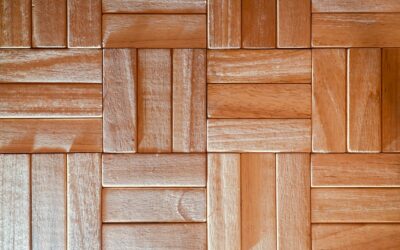
Walk into any older elementary school, hospital corridor, or big-box retailer and you are standing on VCT. The VCT flooring meaning is simple: vinyl composition tile, a commercial-grade flooring made from limestone filler, vinyl resins, colorants, and plasticizers pressed into 12 by 12 inch tiles. It dominated institutional construction from 1950 to around 2010 and still shows up regularly in new commercial work thanks to low material cost and decades of proven performance.
What VCT Is Made Of
VCT composition is roughly 85 percent limestone filler and 15 percent binders, pigments, and vinyl resins. This gives it a harder, less flexible character than luxury vinyl tile (LVT) or sheet vinyl. Tiles measure 12 by 12 inches with thicknesses of one-eighth inch (0.125 inch) typically, sometimes three-thirty-seconds inch for lighter-duty applications.
Colors run solid field tones or marbled patterns with color running through the full thickness, so scratches do not reveal a different color beneath. Major manufacturers including Armstrong, Mannington, and Johnsonite have produced VCT for over 60 years with relatively stable product lines.
Cost and Where You Find It
VCT remains one of the cheapest durable flooring options on the market. Material cost runs $0.80 to $1.80 per square foot at commercial flooring suppliers like Dal-Tile, Carpet One, and ABC Supply. Installed pricing including adhesive and labor totals $2.50 to $5.00 per square foot in commercial settings, with residential installs running slightly more due to smaller job efficiency.
The low per-square-foot cost makes it a default choice for large institutional projects: schools, hospitals, warehouses, retail back-of-house, laboratories, and municipal buildings. When a project needs 40,000 square feet of durable flooring on a tight budget, VCT usually wins the spec.
Strengths That Keep It Relevant
Durability is the headline. Well-maintained VCT lasts 20 to 40 years in high-traffic commercial applications. The hard, dense composition resists gouging from rolling carts, heel marks, and furniture feet. Individual tiles can be pulled up and replaced in isolation when damage does occur, unlike sheet vinyl or LVT plank which often requires larger sections.
Fire ratings sit at Class 1 per ASTM E648 for most VCT products, meeting commercial fire code requirements without additional treatments. Slip resistance rated above 0.60 on standard tests satisfies ADA requirements in most applications.
Chemical resistance to common institutional cleaners, disinfectants, and floor strippers is excellent. Hospitals and laboratories choose VCT specifically because aggressive cleaning regimes do not degrade the tile.
The Major Weakness: Maintenance
VCT is not a low-maintenance flooring. It requires initial wax application of three to five coats of acrylic finish, then regular buffing and periodic strip-and-recoat cycles every six to 12 months depending on traffic. Skip the maintenance and the floor dulls, scuffs, and traps dirt within months.
A typical annual maintenance cost for VCT in a retail or school setting runs $0.40 to $1.20 per square foot, which over 20 years totals more than the original material cost. This lifecycle math is why many specifiers have shifted to LVT products that require no waxing.
Homeowners considering VCT for residential spaces should understand this maintenance demand. A 1,200 square foot basement in VCT means stripping and rewaxing every 18 to 24 months, which requires specialized equipment or hiring a commercial floor service.
Installation Basics
VCT installs with full-spread adhesive on a clean, flat, dry concrete substrate. Moisture testing of the slab is mandatory, moisture vapor emission rates above 5 pounds per 1,000 square feet per 24 hours will cause adhesive failure within a year.
The adhesive itself, typically S-515 or equivalent, costs $35 to $55 per gallon and covers about 150 square feet. Tiles go down starting from the center of the room, working outward in a pyramid pattern. Cuts for perimeter and around obstacles use a VCT tile cutter or heavy utility knife scoring multiple times.
Installation labor runs $2.00 to $3.50 per square foot for professional crews experienced with VCT. Amateur installs often show up as gaps at seams, adhesive bleed-through, and unlevel surfaces. DIY is possible for small rooms but harder than LVT click-lock options.
Comparison with LVT and Sheet Vinyl
Luxury vinyl tile (LVT) has largely replaced VCT in new commercial construction for good reason. LVT offers realistic wood and stone visuals, requires no waxing, installs with click-lock or glue-down systems, and costs $2 to $5 per square foot installed. The tradeoff is shorter lifespan, typically 10 to 20 years versus VCT’s 30-plus.
Sheet vinyl in commercial grade handles heavy traffic without the seams that VCT presents. Hospitals moving toward sheet vinyl with heat-welded seams reduce cleaning complexity and limit bacterial growth at grout lines. Sheet vinyl material costs slightly more than VCT but can save on cleaning labor long-term.
Where VCT Still Makes Sense
Certain applications still favor VCT over newer alternatives.
- Large-scale institutional builds with captive maintenance staff
- Rooms with rolling heavy equipment like hospital gurneys
- Areas requiring custom inlaid color patterns, like athletic logos
- Facilities with strict chemical exposure requirements
- Budget renovations where material cost drives the decision
In these contexts, VCT delivers lifecycle value that LVT cannot quite match. For everything else, LVT or rigid core SPC products have become the smarter choice.
Residential Uses to Consider
Homeowners occasionally spec VCT for basements, workshops, laundry rooms, and pet areas. It tolerates standing water, spilled solvents, and rolling loads from tool chests without complaint. Cost of $1 per square foot material is hard to beat.
The visual options are limited, though. VCT patterns remain clearly commercial in character. No VCT product convincingly looks like hardwood or stone. Homeowners wanting residential aesthetics should look at LVT plank instead.
Colors and Patterns Available
Armstrong Excelon and Mannington Essentials lines offer 40-plus colors each, including solid neutrals, marbled tones, and bright accent colors for institutional design patterns. Checkerboard layouts, custom inlaid logos, and banding details are achievable with VCT that would be impossible or prohibitively expensive in other flooring types.
Retro mid-century designs for residential applications use VCT to replicate 1950s checkered kitchens and diners. The aesthetic is specific but authentic. Finding an installer familiar with pattern layout matters; random crews will produce mediocre results.
Lifecycle and Replacement
Expect 20 to 40 years of service with proper maintenance. Replacement timing is driven more by design refresh than material failure. VCT commonly outlasts the building it was installed in for temporary structures.
When replacement time comes, VCT removal is laborious. The glued-down tiles require mechanical scraping or heat application to release from the slab, then adhesive residue must be removed. Budget $1.50 to $3.00 per square foot for removal before any new flooring goes in.
Prefer to explore on your own?
See how new flooring looks in your actual room in seconds — free, no signup.
Try the free Floor Studio →