A mature wisteria can drop 80% of direct sunlight under a 200 sq ft pergola within three growing seasons, cutting deck surface temperature by 12 to 18 degrees F on a summer afternoon. Vines for shade outperform most fixed awnings and shade sails on a 10-year cost basis because the plant grows, repairs, and adapts itself for $15 to $50 in upfront cost. The trick is matching the vine’s mature size, support load, and climbing habit to your structure — pick wrong and you either get sparse coverage or a pergola crushed by 800 pounds of woody stem.
How Vines Create Shade
Vines deliver shade three ways. Dense canopy types like grape, wisteria, and Dutchman’s pipe form a continuous leaf layer that blocks 70% to 90% of light when mature. Open lattice climbers like clematis and morning glory create dappled shade at 40% to 60% light blockage. Wall-climbing types like Boston ivy and Virginia creeper cling to vertical surfaces and cool walls by transpiration and direct shading.
Coverage timing matters as much as final density. Annual vines like morning glory, scarlet runner bean, and hyacinth bean reach full coverage in 8 to 12 weeks but die back every fall. Perennials take 2 to 5 seasons for full coverage but return automatically each year.
Ten Shade-Producing Vines Worth Planting
- Wisteria (Wisteria sinensis or floribunda) — zones 4 to 9, 25 to 40 ft, full sun for flowers, full canopy in 3 seasons
- Trumpet vine (Campsis radicans) — zones 4 to 9, 30 ft, aggressive grower, hummingbird magnet
- Boston ivy (Parthenocissus tricuspidata) — zones 4 to 8, 30 to 50 ft, clings to walls without trellis
- Climbing hydrangea (Hydrangea anomala petiolaris) — zones 4 to 7, 50 ft, tolerates shade itself
- Grape (Vitis labrusca, Vitis vinifera) — zones 4 to 10, 15 to 25 ft, edible fruit bonus
- Dutchman’s pipe (Aristolochia macrophylla) — zones 4 to 8, 30 ft, huge heart-shaped leaves
- Clematis varieties — zones 4 to 9, 6 to 30 ft depending on cultivar, flowering accent
- Honeysuckle (Lonicera sempervirens) — zones 4 to 9, 20 ft, fragrant blooms
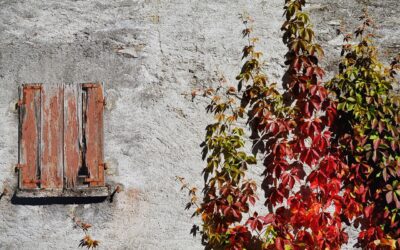
- Virginia creeper (Parthenocissus quinquefolia) — zones 3 to 9, 30 to 50 ft, native, fall color
- Passion vine (Passiflora incarnata) — zones 5 to 9, 20 to 30 ft, exotic flowers
Matching Vines to Structures
Pergolas and arbors handle the heaviest vines — wisteria, trumpet vine, and grape develop trunk-thick stems that can hit 4 to 6 inches in diameter at maturity and weigh hundreds of pounds. Build with 6×6 posts minimum, 2×8 or larger rafters, and stainless or galvanized hardware that withstands 25 to 40 years of stem growth.
Fences and panel walls work better with medium-weight perennials like climbing hydrangea, honeysuckle, and clematis. Boston ivy and Virginia creeper attach directly to masonry walls via adhesive holdfasts but should not be planted on wood siding or fresh mortar — both species pry into seams over time.
Support Hardware and Costs
- 4×8 foot cedar lattice panel: $32 to $58 each
- Galvanized cable trellis kit (10 ft run): $40 to $90
- Heavy-duty pergola post anchors: $35 to $80 each
- 20 ft of 12 gauge stainless wire and turnbuckles: $45 to $75
- Wall-mount trellis brackets (per pair): $14 to $32
- Self-clinging vine starter mat: $18 to $40 per 10 sq ft
For wisteria specifically, plan a budget of $80 to $200 in support hardware beyond the pergola itself. The vine’s mature trunk pulls inward on the structure as it twines, so add tension rods or cross-cabling at 4 to 6 foot intervals to prevent the structure from racking.
Speed of Coverage by Vine Type
Year one, every vine looks sparse — most perennials put energy into root development. Year two delivers 25% to 50% coverage on aggressive growers like trumpet vine and Virginia creeper, and 10% to 25% on slower types like climbing hydrangea. By year three, the aggressive perennials hit 75% to 100% coverage, while moderate growers reach 50% to 75%.
For instant shade in the first season, plant a fast annual like hyacinth bean or scarlet runner bean alongside the perennial. The annual fills the canopy while the perennial establishes, then dies back after frost. Avoid morning glory in zones 8 to 10 where it can self-seed aggressively.
Planting and First-Year Care
Dig the planting hole 2x as wide as the root ball but only as deep as the original container. Amend native soil with 25% to 33% compost — pine bark fines and well-aged leaf mold work best for most climbers. Water in deeply at planting and keep soil consistently moist for the first 6 weeks.
Train the main stems toward the support structure with soft plant ties for the first 4 to 8 weeks. After the vine grabs the trellis on its own, remove the ties to prevent girdling as the stem thickens. Apply a balanced 10-10-10 granular fertilizer once in early spring of years two through five.
Pruning to Maintain Shade
Heavy bloomers like wisteria, clematis, and trumpet vine need annual pruning to maintain shade canopy without sacrificing flower production. Wisteria gets a two-pass prune — summer cut back to 6 leaves per shoot, then winter prune to 2 to 3 buds per shoot. Trumpet vine gets a hard cut in late winter, leaving 8 to 12 inch stubs on the main framework.
Boston ivy and Virginia creeper need almost no pruning once established. Cut back at gutters, windows, and doorways once a year in late winter. Honeysuckle and climbing hydrangea need only thinning of dead stems annually.
Climate and Sun Requirements
Most shade vines paradoxically need full sun on the structure they cover. Wisteria flowers only in 6+ hours of direct sun. Grape vines need 8 hours minimum for sugar development. Boston ivy and Virginia creeper tolerate part shade but produce richer fall color in full sun.
For genuinely shaded structures with under 4 hours of direct sun, climbing hydrangea is the standout choice. It tolerates north-facing walls and dense shade once established and still develops a thick leaf canopy. Dutchman’s pipe and certain clematis cultivars (Clematis montana, Clematis viticella) also handle part shade reasonably well.
Vines to Avoid on Buildings
Three species cause more property damage than they are worth. English ivy (Hedera helix) destroys mortar joints and wood siding over time. Wisteria, while spectacular, has crushed pergolas and pulled gutters off houses when planted next to siding without dedicated structure. Kudzu (Pueraria) is invasive across most of the South and prohibited in many states. For long-term home value, stick to the ten species in the list above and match the vine’s mature size and aggression to a structure built to handle it.