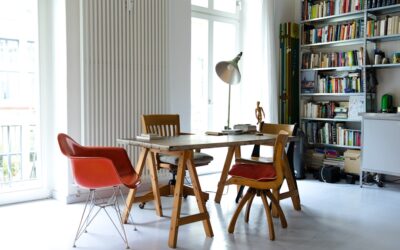
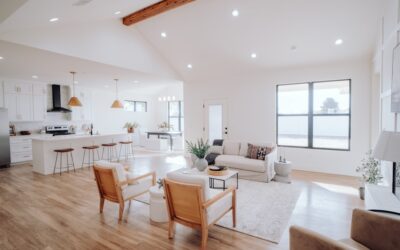
Pull up the wall-to-wall carpet in a 1920s bungalow or a 1965 ranch and there is a fair chance you will find geometric oak parquet underneath. That floor is suddenly worth keeping. Vintage parquet flooring has cycled back into demand, with original installs commanding price premiums on resale and reproduction lines from Mirage, Mercier, and Lauzon flying off showroom floors. The decision to restore an original or buy new comes down to subfloor condition, budget, and how much of the original character you can save.
- The Patterns That Define the Category
- The Honest Pros of Restoring Original
- The Cons You Need to Plan For
- Restoration Workflow
- Cost of Restoration vs Replacement
- Brand Spotlight: Element 7 and Exquisite Surfaces
- Installation Notes
- Finish Choices for Vintage Look
- Where Vintage Parquet Wins
- Maintenance Reality
- Bottom Line
The Patterns That Define the Category
Five patterns dominate vintage parquet. Herringbone, the most common, uses rectangular blocks at 90 degree angles, typically 2 1/4 by 9 inches in pre-war construction. Chevron uses planks mitered to point in alternating directions, creating a continuous V-pattern. Versailles is a complex square panel of interwoven slats, originally developed for the palace itself and reserved for high-end installs.
Basketweave alternates pairs of perpendicular blocks. Brick or stacked-end pattern lays short blocks end-to-end in offset rows. Each pattern reads as a specific era; herringbone reads 1920s to 1950s American, Versailles reads European luxury, and basketweave reads mid-century modest.
The Honest Pros of Restoring Original
Authenticity cannot be reproduced. Original parquet from the 1920s to 1960s was milled from old-growth oak, walnut, or mahogany with grain density that modern fast-growth lumber rarely matches. The patina earned over 60 to 100 years reads as character; a brand-new floor cannot fake it.
Cost can also favor restoration. Sand, repair, and refinish on existing parquet runs $4 to $9 per square foot, against $12 to $25 per square foot for new parquet installed. Resale data supports the spend; buyers consistently pay 5 to 15 percent more for homes with original hardwood parquet versus replacements.
The Cons You Need to Plan For
Subfloor problems are the rabbit hole. Original parquet was often laid in mastic over wood or concrete subfloors that have since failed. Cupping, gapping, and individual missing tiles are common. Lifting and resetting individual pieces is slow, expensive work.
Thickness limits also matter. Original parquet is typically 5/16 to 3/4 inch thick, with the wear layer above the tongue or simply solid through. After multiple refinishes, the remaining wear may be 1/16 inch or less, which means one more sand and the floor is done.
Restoration Workflow
Inspect first. Tap-test for loose tiles, look for cupping over uneven subfloors, and check the wear-layer thickness by lifting a tile near a heat register or floor vent. If the remaining wear is over 1/8 inch and the subfloor is stable, restoration is viable.
Sand with a drum sander running diagonal to the predominant pattern direction, then a second pass at 90 degrees to the first. This prevents directional scratch marks in the finished floor. Finish with a fine orbital sander. Water-pop the grain, apply stain if desired, and finish with three coats of waterborne polyurethane like Bona Traffic HD.
Cost of Restoration vs Replacement
Restoration of existing parquet: $4 to $9 per square foot for sand, stain, and finish. Repair work on individual missing tiles adds $30 to $80 per tile sourced from reclaimed suppliers.
New parquet, engineered tiles or panels: $9 to $25 per square foot installed. Lines like Mirage Herringbone, Mercier Chevron, and Lauzon Designer Parquet ship pre-finished and click-lock or glue-down.
Custom premium parquet: $30 to $60 per square foot installed for Versailles panels from Exquisite Surfaces, Element 7, or Carlisle Wide Plank. Lead times 8 to 20 weeks.
Brand Spotlight: Element 7 and Exquisite Surfaces
For high-end new parquet builds, Element 7 and Exquisite Surfaces dominate the US market. Element 7 mills custom herringbone and chevron in widths up to 6 inches and lengths up to 36 inches, finished with hardwax oil for the most authentic vintage look. Pricing runs $22 to $40 per square foot for the wood. Exquisite Surfaces imports reclaimed French and Belgian parquet, including original Versailles panels rescued from chateaux renovations, with project pricing in the $50 to $120 per square foot range. For a one-of-a-kind installation in a flagship home, the reclaimed product cannot be faked. Lead times run 12 to 24 weeks for sourcing and finishing.
Installation Notes
Modern parquet installs over 3/4 inch plywood subfloors with full-spread urethane adhesive like Bostik BST or Sika SikaBond AT. Acclimate 5 to 10 days at job-site RH between 35 and 55 percent. Concrete subfloors require ASTM F2170 in-situ RH testing under 75 percent before adhesive application.
Herringbone and chevron require a center-line layout, started from the longest unbroken sightline in the room. A starter board glued to the subfloor maintains alignment for the rest of the install. Cutting at room edges takes more material than straight-plank install; budget 10 to 15 percent extra for waste.
Finish Choices for Vintage Look
Avoid high-gloss finishes. Original vintage parquet was finished in shellac or oil-based varnish that aged to a satin sheen. Match it with a waterborne matte urethane like Bona Traffic HD Matte or a hardwax oil from Rubio Monocoat or Osmo Polyx-Oil.
For maximum authenticity on restoration projects, some craftsmen still use traditional shellac and paste wax, though the maintenance commitment is much higher than modern urethane.
Where Vintage Parquet Wins
Pre-war urban homes, mid-century ranches, formal dining rooms, and architect-designed restorations all benefit from genuine parquet rather than plank. The pattern itself becomes a design element that elevates the room without additional decoration. New parquet works in modern builds when paired with restrained millwork and quiet wall colors that let the floor speak.
Maintenance Reality
Sweep daily, damp mop weekly with Bona Hardwood Floor Cleaner, and use felt pads on every chair leg. Avoid steam mops at all costs; the moisture lifts adhesive on glued parquet and warps individual blocks. Recoat the topcoat every 5 to 8 years, with full refinish on a 25 to 40 year cycle.
Bottom Line
Vintage parquet flooring rewards patience and a careful contractor. Restore originals when subfloor and wear-layer thickness allow; buy reproduction from reputable mills when starting fresh. The pattern, more than any other feature, makes the floor itself the architectural statement.
Prefer to explore on your own?
See how new flooring looks in your actual room in seconds — free, no signup.
Try the free Floor Studio →