If you love the classic look of a brick exterior but flinch at the cost and weight of real masonry, vinyl brick siding deserves a spot on your shortlist. This category of exterior cladding mimics the appearance of brick using molded polymer panels, giving you the warm, textured face of a brick wall without the mortar, the labor, or the structural demands. For many homeowners, it is a practical middle ground between authenticity and affordability.
In this guide you will learn what vinyl brick siding actually is, how it stacks up against genuine brick and brick veneer, what it tends to cost, and how it is installed and maintained. By the end, you should have a clear sense of whether this product fits your home, your budget, and your climate.
What Is Vinyl Brick Siding?
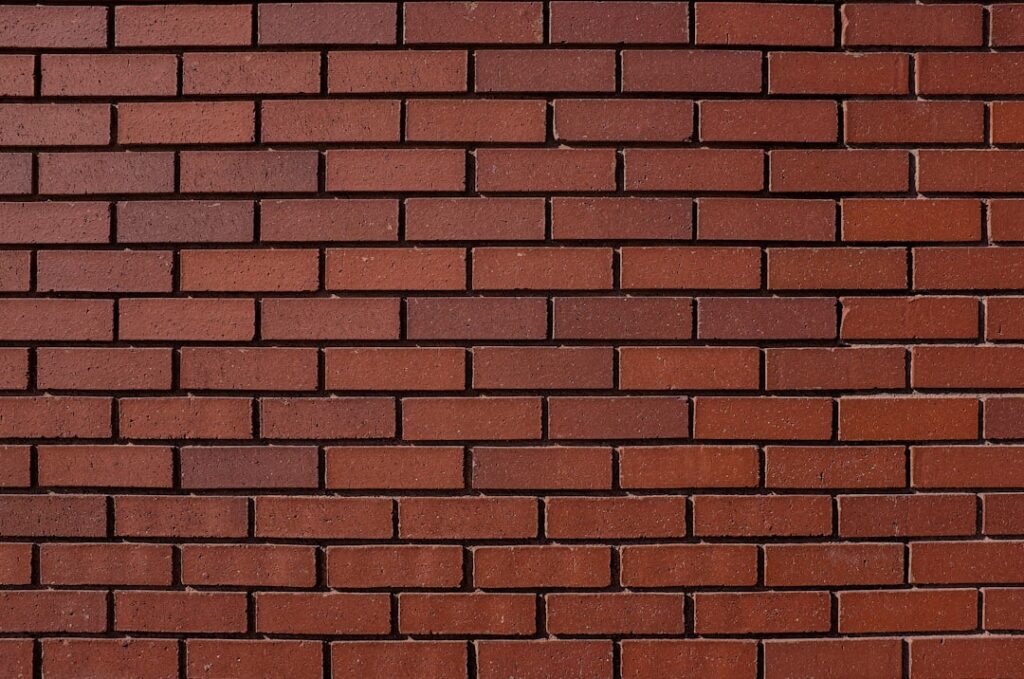
Vinyl brick siding is an exterior cladding product manufactured from PVC and related polymers, then molded and colored to resemble individual bricks set in mortar joints. Manufacturers typically produce it in panels rather than single bricks, so a single piece may replicate a section of wall containing many “bricks” at once. This panelized approach is what makes installation faster and lighter than laying real brick one course at a time.
The panels lock together with interlocking edges and nailing flanges, attaching to the wall sheathing much like standard vinyl lap siding. Because the product is essentially a skin rather than a structural wall, it does not carry any load. It hangs on the exterior and serves a decorative and weather-shedding role.
You will sometimes see closely related products marketed as polyurethane brick panels or faux brick panels. These share the same goal of imitating masonry at lower weight, though the base material and rigidity can differ. Always confirm the specific composition with the manufacturer before you buy.
Vinyl Brick Siding vs. Real Brick and Brick Veneer
Real brick and brick veneer are made from fired clay or concrete and are heavy, durable, and genuinely fireproof. Full brick is a structural or semi-structural wall system; thin brick veneer is a slim slice of real brick adhered to a backing. Both look authentic up close because they are authentic, but both also cost considerably more and require skilled masons.
Vinyl brick siding trades some of that authenticity for major savings in weight, labor, and money. The key differences worth weighing include:
- Weight: Vinyl panels are a fraction of the weight of clay brick, which simplifies installation and reduces demands on the structure.
- Cost: Vinyl options generally run well below real masonry once labor is included.
- Authenticity: At a distance the look can be convincing, but close inspection and touch usually reveal the difference.
- Durability: Real brick can last for generations; vinyl has a shorter service life and can fade, crack, or warp under extreme conditions.
- Fire resistance: Clay brick is non-combustible, while vinyl products are not, which matters in fire-prone regions.
Pros of Vinyl Brick Siding
The appeal of this product comes down to value and convenience. For homeowners who want a brick aesthetic without a masonry budget, the advantages are real.
- Lower cost: Both materials and installation labor tend to be cheaper than genuine brick.
- Light weight: Easier handling means faster installs and fewer structural concerns.
- Low maintenance: No mortar to repoint and no sealing required; an occasional rinse usually suffices.
- Faster installation: Panelized pieces cover wall area quickly compared to bricklaying.
- Design variety: Available in a range of brick colors and textures to suit different home styles.
Cons and Limitations
No product is perfect, and it is worth being honest about where vinyl brick falls short. Knowing the trade-offs up front helps you avoid disappointment later.
Up close, the repeating pattern and the feel of polymer can read as artificial, which bothers some buyers. The material can also be vulnerable to fading from prolonged sun exposure and to cracking or warping in extreme heat or cold. Because it is combustible, it may not be appropriate in wildfire-prone areas, and local codes may have restrictions. Resale impact is mixed; some buyers specifically want real masonry. Finally, color matching for future repairs can be difficult if a product line is discontinued.
Cost Expectations
Pricing varies widely by brand, panel quality, region, and the complexity of your walls, so treat any figure as a rough estimate rather than a quote. As a general planning range, installed vinyl brick siding often falls somewhere in the area of a few dollars to several dollars per square foot, materials and labor combined, which is typically well under the installed cost of real brick.
To budget responsibly, gather at least three written quotes from licensed siding contractors in your area. Ask each to itemize materials, labor, trim and accessories, removal of old siding, and any sheathing repairs. Those secondary line items can swing the total significantly, and a low headline price sometimes hides them.
Installation Overview
While some confident do-it-yourselfers tackle vinyl siding, brick-look panels demand careful layout so the mortar lines stay level and the pattern repeats cleanly across the wall. A poor install shows immediately. The general sequence looks like this:
- Inspect and prepare the wall sheathing, repairing any rot or damage and ensuring a flat, sound surface.
- Install a weather-resistant barrier and any required flashing per the manufacturer’s instructions and local code.
- Set starter strips and corner pieces to establish a level, square reference.
- Hang panels from the bottom up, leaving the manufacturer-specified gap so the material can expand and contract with temperature.
- Cut and fit pieces around windows, doors, and penetrations, then finish with matching trim.
Always follow the specific manufacturer’s printed installation instructions, because fastener spacing, expansion gaps, and accessory requirements differ between product lines. When in doubt, hire an experienced siding contractor; correct flashing and water management are what keep moisture out of your walls.
Maintenance and Longevity
One of the strongest selling points is how little upkeep vinyl brick siding requires. Unlike real brick, there is no mortar to repoint and no sealant to reapply. Routine care is mostly cosmetic.
Plan to rinse the panels periodically with a garden hose, and wash away dirt, pollen, or mildew with a soft brush and a mild cleaning solution as needed. Avoid high-pressure washing that could force water behind the panels or damage the surface. Inspect annually for cracked or loose pieces, especially after severe storms, and replace damaged sections promptly to keep water out. With reasonable care and a moderate climate, quality panels can serve well for many years, though they will not match the multi-generational lifespan of fired clay brick.
Is Vinyl Brick Siding Right for You?
Choosing the right exterior comes down to your priorities. If your goals are budget control, easy maintenance, and a brick-inspired look that reads well from the street, vinyl brick siding is a sensible option. If you prize authentic texture, maximum durability, fire resistance, and long-term resale strength, real brick or thin brick veneer may justify the higher cost.
Before committing, request physical samples and view them on your actual home in different light. Confirm that the product complies with local building codes and any homeowners association rules, and verify the warranty terms directly with the manufacturer. A little homework now protects both your investment and your curb appeal for years to come.