Grout is the part of a tiled shower everyone hates, and it is exactly what vinyl panels eliminate. Vinyl shower walls give you a waterproof, nearly seamless surround that wipes clean in seconds, with none of the mold-prone grout lines that make tile such a maintenance chore. For homeowners who want the look of an upgraded shower without the cost, mess, and upkeep of a full tile job, vinyl and PVC wall panels have become a genuinely appealing option. They install faster, weigh less, and resist water by design.
Part of our Bathroom Remodeling & Flooring guide — explore the full guide →
What Vinyl Shower Walls Actually Are
The category covers a few related products, all built around water resistance. Most are rigid PVC or composite panels with a decorative laminated face, often printed to mimic tile, marble, or stone. They lock together or butt against each other with sealed seams, and they mount over a prepared wall. Because the surface is a continuous panel rather than dozens of small tiles, there are few or no grout joints for water and mold to exploit. Some products are large single sheets; others are tongue-and-groove planks that interlock.
Why Homeowners Choose Them
The appeal comes down to a handful of practical advantages.
- Low maintenance: No grout to scrub, seal, or watch for mold. A quick wipe keeps panels clean.
- Waterproof: The panels themselves do not absorb water, which is the whole point in a shower.
- Faster installation: A surround that might take days to tile can go up in a fraction of the time.
- Lighter and cheaper: Panels cost less in materials and labor than a comparable tile installation.
- Plenty of looks: Modern printing mimics subway tile, large-format marble, and stone convincingly.
How They Compare to Tile and Acrylic
It helps to see where vinyl panels sit among the alternatives. Tile offers the most premium, customizable look and the longest lifespan, but it costs the most and brings grout maintenance forever. Acrylic and fiberglass surrounds are seamless and affordable but come in limited sizes and styles and can scratch. Vinyl and PVC panels split the difference, cheaper and faster than tile, more varied in appearance than basic acrylic, and far easier to maintain than either. The trade-off is that panels generally will not match the resale prestige or the multi-decade durability of a well-built tile shower.
What They Cost
Cost is a major reason people consider vinyl walls. Material pricing varies widely by product and finish, but panels are consistently more budget-friendly than tile once you factor in labor. Tile installation is labor-intensive and skilled, which drives the total cost up, while panels go up quickly and often within reach of a capable DIYer. Because the job is faster and requires fewer specialized tools, the installed cost of a vinyl panel surround typically lands well below a comparable tiled shower. For a precise budget, price the specific panel system you want plus any trim, adhesive, and sealant it requires.
Installing Vinyl Shower Walls
Installation is one of the biggest selling points, but it still demands a sound, waterproof base. The panels keep water out only if the seams and edges are sealed correctly.
- Prep the substrate: Mount panels over a solid, flat, water-resistant backer per the product’s instructions. A failing wall behind the panels will cause problems no matter how good the panels are.
- Measure and cut: Cut panels to fit with a fine-tooth saw or a utility knife scoring method, depending on thickness.
- Apply adhesive: Use the adhesive the manufacturer specifies, applied in the recommended pattern.
- Set the panels: Press each panel into place, working from a reference line so everything stays level and plumb.
- Seal every seam: Caulk the joints, corners, and the edges around fixtures and the base with a mildew-resistant silicone. This step is what makes the surround waterproof.
Sealing and Waterproofing Details
The panels resist water, but the seams and penetrations are where leaks start. Every joint between panels, every inside and outside corner, and every spot where a faucet, valve, or showerhead passes through must be sealed with a quality silicone caulk rated for wet areas. Pay special attention to the bottom edge where the wall meets the shower pan or tub, since that is the most water-exposed transition in the whole shower. A neat, continuous bead of silicone there is the difference between a dry wall cavity and a hidden leak.
Care and Longevity
Maintenance is mercifully simple. A soft cloth or sponge with a mild bathroom cleaner keeps the panels looking new, and because there is no grout, mold has far fewer footholds. Avoid abrasive scrubbers and harsh scouring powders, which can scratch or dull the printed surface. With routine wiping and occasional resealing of the caulk lines as they age, a vinyl panel surround holds up well for many years. The caulk is usually the first thing to need attention, so refresh it whenever it discolors or pulls away from the edges.
Style and Appearance Options
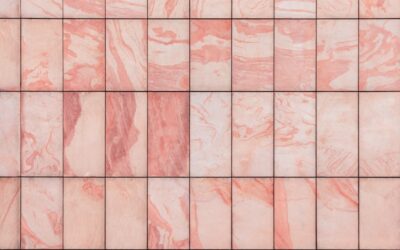
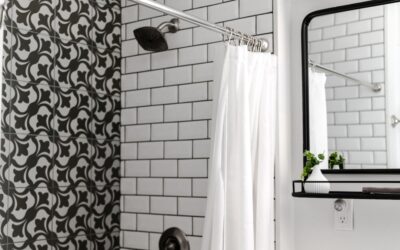
Modern panel printing has come a long way, and the range of looks available now is part of why these systems have caught on. You can find panels that convincingly imitate classic white subway tile, large-format marble with realistic veining, natural stone, and clean solid colors for a minimalist surround. Because large panels carry the pattern across a continuous surface, a marble-look panel reads as a single dramatic slab rather than a grid of small tiles, which can feel more luxurious than the material cost suggests. Matte and gloss finishes are both available, with matte reading more like natural stone and gloss reflecting more light to brighten a small bathroom.
Pros and Cons at a Glance
It helps to weigh the trade-offs plainly before deciding.
- Pros: Waterproof, no grout to maintain, fast installation, lighter and cheaper than tile, easy to clean, and DIY-friendly.
- Cons: Generally lower resale prestige than tile, can scratch or dent if struck hard, fewer fully custom design options, and a lifespan that, while long, typically falls short of a quality tile installation.
For many homeowners the pros decisively outweigh the cons, especially in secondary bathrooms, rentals, and budget-conscious remodels where speed and low maintenance matter most.
Is It the Right Choice for You?
Vinyl shower walls make the most sense when you want a clean, waterproof, low-maintenance shower on a sensible budget and a short timeline. They are ideal for rentals, quick remodels, secondary bathrooms, and anyone tired of scrubbing grout. If your priority is a fully custom, top-of-the-market look or the absolute longest lifespan and resale value, tile still wins. But for a fast, affordable, genuinely low-hassle upgrade, vinyl and PVC wall panels deliver a fresh, modern shower without the lifelong commitment to a grout brush.
Prefer to explore on your own?
See how new flooring looks in your actual room in seconds — free, no signup.
Try the free Floor Studio →