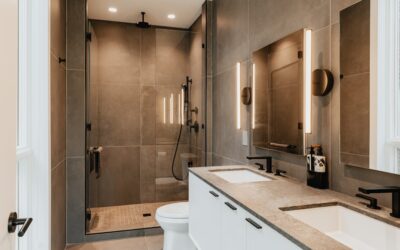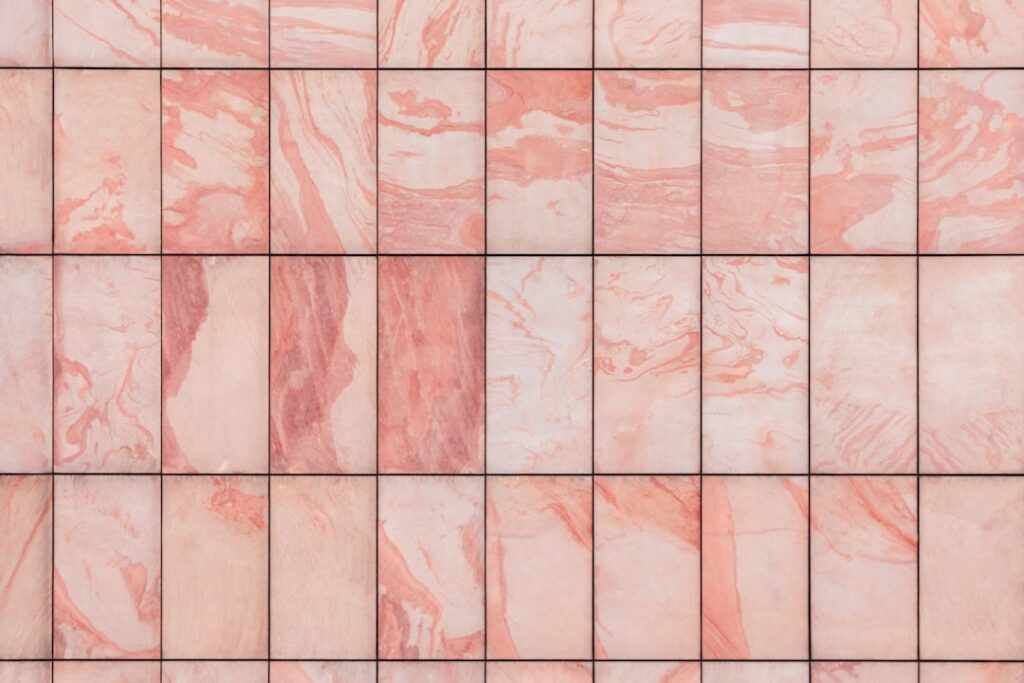
A shower lined in natural stone feels like stepping into a high-end spa, and few materials deliver that effect like polished granite. Granite shower walls wrap your shower in durable, water-resistant stone with the same dramatic veining and depth you would choose for a kitchen counter, creating a striking, low-grout focal point in the bathroom. Whether you opt for large slabs that minimize seams or granite tile that keeps costs down, the result is a luxurious, long-lasting surround.
Part of our Countertops guide — explore the full guide →
Stone in a wet environment does demand proper sealing and installation, so this guide covers slab versus tile, waterproofing, costs, and the maintenance that keeps the surface beautiful for decades.
Why Choose Granite for Shower Walls
The appeal starts with looks. Granite brings rich color, natural veining, and a sense of solid luxury that ceramic tile struggles to match. Each slab is unique, so your shower becomes a one-of-a-kind feature. The stone is also extremely hard and durable, standing up to daily use without scratching or wearing.
There is a practical advantage too. Full granite slabs cover large areas with few or no grout lines, and grout is the part of a tiled shower that stains, harbors mildew, and demands constant scrubbing. Fewer seams means a cleaner-looking shower and far less maintenance over the years.
Slabs vs Tile
You have two main routes to a stone shower, each with trade-offs:
- Full slabs: large pieces of granite that cover an entire wall with minimal seams. The look is seamless and dramatic, and there is almost no grout to maintain. Slabs are heavy, expensive, and require professional fabrication and installation.
- Granite tile: 12-inch or larger tiles installed like ceramic. Far more affordable and DIY-friendly, but you trade in more grout lines that need sealing and cleaning.
Slabs deliver the premium, low-maintenance experience at a premium price. Tile gives you genuine granite at a fraction of the cost if you do not mind the grout. Many homeowners split the difference, using slabs on a feature wall and tile elsewhere.
Sealing and Waterproofing Are Critical
Granite is porous, and a shower is the wettest place in the house, so sealing is non-negotiable. Even though granite is denser than marble, unsealed stone in a shower can absorb water, harbor mildew in the pores, and develop staining or efflorescence. Apply a quality penetrating stone sealer after installation and reseal regularly, often every six to twelve months in a shower, more frequently than on a kitchen counter because of the constant moisture.
Equally important is the waterproofing behind the stone. Granite walls must be installed over a properly waterproofed substrate, such as a waterproof backer board and membrane system, so water that gets behind seams cannot rot the wall or feed mold. This hidden layer is just as important as the visible stone.
Installation Overview
Installing stone shower walls, especially heavy slabs, is generally a job for experienced professionals, but understanding the process helps you oversee it.
- Build and waterproof the substrate with cement backer board and a waterproofing membrane.
- Measure precisely and template the walls, accounting for the shower pan, niches, and fixture penetrations.
- Fabricate the slabs or cut the tiles, drilling clean holes for valves and the showerhead.
- Set the stone with a thinset or adhesive rated for stone and the weight involved, supporting heavy slabs during cure.
- Seal the seams and corners with a quality silicone designed for wet areas rather than relying on grout alone for waterproofing at joints.
- Seal the stone surface once everything is set.
Heavy slabs require strong support and careful handling, which is why slab showers are rarely a DIY project. Granite tile is more approachable for a confident homeowner, though the waterproofing must still be done correctly.
Cost Considerations
Stone showers span a wide price range. Granite tile material often runs roughly $5 to $15 per square foot, keeping a tiled shower relatively affordable. Full slabs cost far more, with the stone, fabrication, and professional installation pushing the total well beyond a tiled approach. A complete slab shower surround is a significant investment, often comparable to or exceeding a full bathroom remodel budget on its own.
Factor in professional installation for slabs, the waterproofing system, sealer, and specialty silicone. While granite is more expensive than ceramic tile upfront, its durability and the reduced grout maintenance can make it worthwhile for homeowners who value the look and longevity.
Maintenance and Care
Keeping granite shower walls beautiful is straightforward with the right habits. Clean with a pH-neutral stone cleaner, never vinegar, lemon, or harsh acidic or abrasive products, which etch stone and break down sealer. Squeegee the walls after showering to reduce water spots and mineral buildup, and run the bathroom fan to keep humidity down.
Reseal on schedule and watch for the water-bead test: when water stops beading on the surface, it is time to reseal. Address any failing silicone at the seams promptly to keep water from getting behind the stone. With consistent care, a granite shower stays striking and watertight for decades.
Granite vs Other Shower Wall Materials
It helps to see how granite stacks up against the alternatives. Compared with ceramic or porcelain tile, granite offers fewer seams, a more luxurious look, and exceptional hardness, but it costs more and requires sealing that tile does not. Against marble, granite is denser, harder, and more resistant to etching from acidic products, making it a more forgiving stone in a wet, frequently cleaned environment, though marble still wins for some on pure elegance.
Solid surface and acrylic shower panels are cheaper and nearly maintenance-free, but they lack the natural depth and prestige of real stone. Quartz is sometimes considered, but most quartz is not recommended for constant water exposure or large shower walls the way granite slabs are. If your priority is genuine stone luxury with strong durability, granite is a standout, provided you accept the sealing routine that comes with any natural stone.
Common Problems and How to Avoid Them
The failures I see with stone showers almost always trace back to two things: inadequate waterproofing behind the stone and neglected sealing on the surface. Skimping on the membrane and backer board invites hidden water damage and mold that no amount of surface cleaning can fix. Letting the sealer lapse lets the porous stone absorb water and stain. Other issues include using acidic cleaners that dull the polish, ignoring failing silicone at the seams until water gets behind the stone, and poor support during installation that lets heavy slabs shift. Address waterproofing properly, reseal on schedule, clean gently, and maintain the seam silicone, and a granite shower will stay watertight and beautiful for the long haul.
Final Thoughts
Granite shower walls turn an ordinary bathroom into a spa-like retreat with durable, low-grout natural stone. The decisions that matter most are slab versus tile for your budget, a properly waterproofed substrate behind the stone, and diligent sealing and gentle cleaning afterward. Get the waterproofing and sealing right, choose the format that fits your budget, and you will enjoy a luxurious, hardwearing shower that holds its beauty for the long term.