
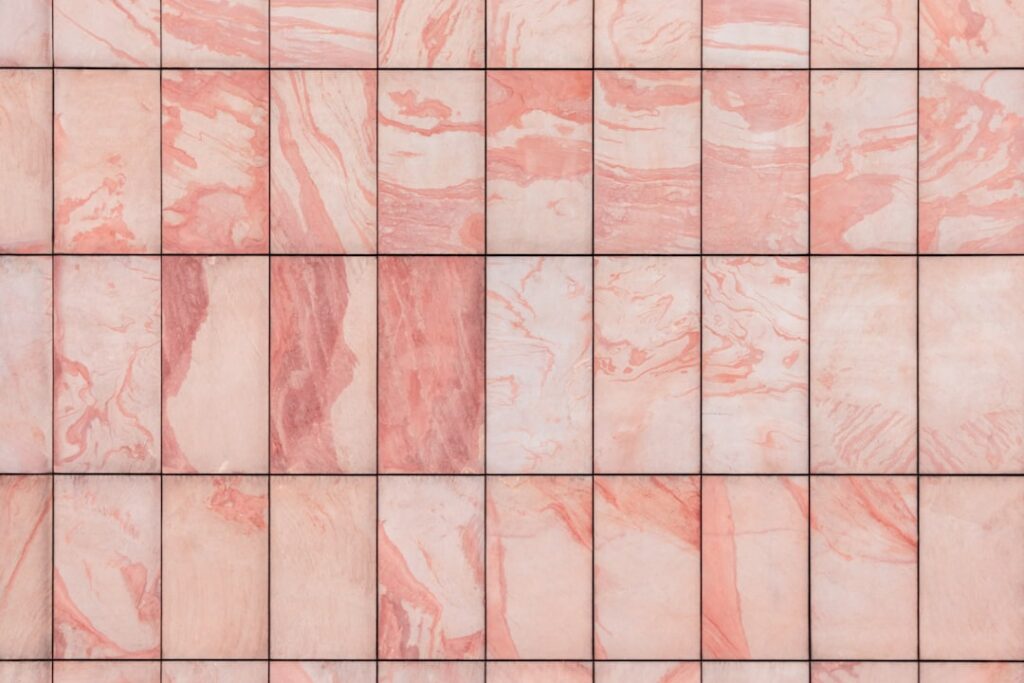
Tile has long ruled the shower, but more homeowners are choosing large-format slab surfaces for a cleaner, more luxurious result, and quartz shower walls are at the front of that trend. Engineered quartz, the same material used for kitchen countertops, can be cut into large panels that line shower walls with few or no grout lines. The payoff is a nearly seamless, easy-to-clean surface with the depth and consistency of stone. This guide explains how quartz performs in wet areas, what it costs, and the seam and sealing details that matter.
Part of our Countertops guide — explore the full guide →
What Quartz Shower Walls Are
Engineered quartz is made from roughly 90 percent crushed natural quartz bound with resins and pigments, producing a dense, hard, nonporous slab. For shower walls, fabricators cut these slabs into large panels, often spanning an entire wall, and bond them to the substrate so the finished shower has minimal seams. Because the panels are large, you eliminate most of the grout lines that make tile showers labor-intensive to keep clean. The look is sleek and modern, with the rich color and subtle veining quartz is known for.
Pros of Quartz Shower Walls
The appeal goes well beyond looks:
- Few grout lines: Less scrubbing and far fewer places for mold and mildew to take hold.
- Nonporous surface: Engineered quartz resists water absorption and staining.
- Consistent appearance: Uniform color and pattern across large panels.
- Durability: A hard, impact-resistant surface that holds up to daily use.
- Easy cleaning: A simple wipe with mild cleaner keeps it looking new.
Important Considerations for Wet Areas
Quartz performs well in showers, but there are real factors to weigh. The seams between panels and at the corners must be expertly sealed with the proper waterproof silicone, because while the quartz itself is nonporous, water can find its way behind panels through poorly executed joints. This is precision work best left to an experienced fabricator and installer.
It is also worth noting that engineered quartz can be more sensitive to prolonged exposure to harsh chemicals and high heat than natural stone, so you should stick to gentle cleaners. Direct, constant sunlight on a quartz surface can fade some products over time, which matters in showers with large windows.
How Much Quartz Shower Walls Cost
Slab quartz is a premium choice. As a general guide:
- Material: $50 to $120 per square foot for the quartz slab.
- Fabrication and installation: often pushes the installed cost to $80 to $200 per square foot.
A typical three-wall shower surround can therefore run several thousand dollars, more than most tile installations. The trade-off is a higher-end finish and dramatically lower long-term maintenance, since you are not battling grout for years.
Installation and Seams
Quartz shower walls are not a DIY project. The slabs are heavy, must be measured and cut precisely, and require proper substrate preparation and waterproofing behind the panels. A professional fabricator templates the shower, cuts panels to fit around the valve, niche, and bench, and bonds them to the wall. The seams are then filled with a color-matched waterproof silicone rather than grout, and the installer pays special attention to corners and the joint where the wall meets the shower pan, since those are the most vulnerable points for water intrusion.
Sealing and Maintenance
One of quartz’s biggest advantages is that the slab itself does not need sealing the way natural stone does, because it is nonporous. Your maintenance focus is the silicone joints: inspect them periodically and have them resealed if you see any gaps or discoloration. For daily care, wipe the walls with a soft cloth and a mild pH-neutral cleaner, and squeegee after showers to minimize hard-water spotting. Avoid abrasive pads, bleach, and harsh acidic or alkaline cleaners that can dull the resin over time.
Quartz vs. Tile and Solid Surface
It helps to compare quartz to the other slab and panel options for shower walls. Traditional tile is the most affordable and offers endless design flexibility, but it comes with grout lines that require ongoing cleaning and periodic resealing. Solid-surface acrylic panels are seamless and budget-friendly but can look less premium and scratch more easily than stone. Natural stone slabs like marble are stunning but porous, demanding regular sealing and gentle, acid-free care.
Quartz sits at the high end alongside natural stone but with a key advantage: because it is engineered and nonporous, the slab itself never needs sealing the way marble does. You get the rich, stone-like look and durability without the porous-stone maintenance, in exchange for a higher price than tile or acrylic. For homeowners prioritizing low upkeep and a luxury finish, that trade often makes sense.
Design Options With Quartz Slabs
One appeal of slab quartz is the range of looks it offers. Engineered quartz comes in solid colors, subtle speckled patterns, and dramatic marble-look veining, so you can get the appearance of natural marble without its porous maintenance. Large, continuous panels show off bold veining beautifully because the pattern flows across the wall without grout lines interrupting it, which is something a tiled shower cannot replicate.
You can also carry the same quartz onto a shower bench, a built-in niche, or the vanity to tie the bathroom together, and pair it with matching or contrasting flooring. Because the surface is so simple, the design impact comes from the slab’s color and movement and from the fixtures you choose. Plan the layout with your fabricator so that any prominent veining is positioned where it makes the biggest statement, such as the main wall you see when you enter.
Finish choice matters too. Most quartz shower walls use a polished surface that reflects light and reads as luxurious, but some products offer a honed or matte finish for a softer, more contemporary look that also hides water spots better. Whichever you choose, request a large sample and view it in your bathroom’s lighting, since the same slab can look very different under warm versus cool light.
The Bottom Line
Quartz shower walls deliver a seamless, luxurious, low-maintenance alternative to tile, trading the constant upkeep of grout for a sleek nonporous surface. They cost significantly more than tile and demand expert installation, especially at the seams and corners that keep water out. If you want a high-end shower that wipes clean in seconds and resists mold, slab quartz is a compelling choice worth budgeting for.


