Choosing the right base for a walk-in shower shapes how the whole space looks, drains, and holds up over the next 20 years. A quartz shower pan has become one of the most requested upgrades in modern bathroom remodels because it blends the durability of engineered stone with a clean, grout-free surface that resists staining. If you already love quartz on your kitchen counters, extending that same material underfoot in the shower creates a cohesive, high-end look that vinyl or tiled bases rarely match.
Part of our Countertops guide — explore the full guide →
Before you commit, it helps to understand exactly what these pans are made of, how they compare to alternatives, what installation involves, and where the real costs land. This guide walks through each of those points so you can decide with confidence.
What a Quartz Shower Pan Actually Is
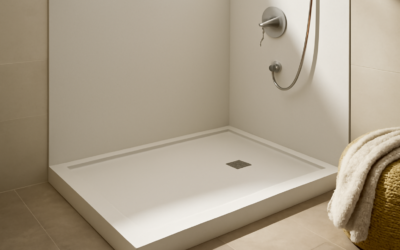
Engineered quartz combines roughly 90 to 93 percent ground natural quartz with resins and pigments, compacted under heat and pressure into a dense, non-porous slab. A quartz shower base uses that same composite formed into a sloped tray with a built-in drain channel. Because the surface is sealed at the factory, water beads and runs to the drain instead of soaking into pores the way it can with natural stone or unsealed grout lines.
Manufacturers offer these pans in solid colors, subtle speckled patterns, and stone-look finishes that echo marble or concrete. Most measure between 3/4 inch and 1-1/4 inches thick at the edges, with a gentle slope toward a center or linear drain. The result is a single continuous piece rather than dozens of small tiles, which is the main reason homeowners find them so easy to clean.
Quartz Pan vs. Tile, Acrylic, and Solid Surface
Every shower base material carries trade-offs, and seeing them side by side clarifies why quartz sits in the premium tier.
- Tile bases look custom but rely on grout, which absorbs moisture, harbors mildew, and needs periodic sealing and scrubbing. Expect to re-grout or re-seal every couple of years.
- Acrylic and fiberglass pans cost the least, often $150 to $400, but they flex underfoot, scratch easily, and can yellow or crack over a decade of use.
- Solid surface (like cultured marble) offers a seamless look at a mid-range price but is softer than quartz and more prone to dulling from abrasive cleaners.
- Quartz pans deliver the seamless, low-maintenance benefit of solid surface with far greater hardness, scratch resistance, and color depth, though at a higher price point.
If your priority is a base you can wipe down in seconds and forget about, quartz earns its cost. If budget is the deciding factor, acrylic still gets the job done for a decade or so.
Standard Sizes and Custom Options
Prefabricated quartz pans come in common footprints that match typical alcove and corner showers. Popular sizes include 36 by 36 inches, 48 by 32 inches, 48 by 36 inches, and 60 by 32 inches, the last matching a standard tub-to-shower conversion. Drain placement is usually offered in center, offset, or linear configurations, so measure your existing rough-in before ordering.
For non-standard layouts, curbless entries, or oversized spa showers, fabricators can cut a pan from a full slab and route a custom slope. Custom work adds cost and lead time, often two to four weeks, but it lets you match the pan to a specific footprint or to the exact quartz color already used elsewhere in the bathroom.
What Installation Involves
Setting a quartz base is more demanding than dropping in an acrylic tray, mostly because of the weight. A 48-inch pan can weigh 100 pounds or more, so many installers use two people to position it. The subfloor must be flat, level, and structurally sound, because quartz will not flex to hide dips the way lighter materials do.
The typical sequence looks like this:
- Verify the subfloor is level and reinforce it if it deflects under load.
- Dry-fit the pan and confirm the drain aligns with the plumbing rough-in.
- Set the pan in a full bed of mortar or the adhesive the manufacturer specifies, which supports the entire underside and prevents hollow spots.
- Connect and seal the drain assembly, then test for leaks before the walls go up.
- Waterproof the wall-to-pan seam with the recommended flexible sealant.
Because a poorly bedded pan can crack under point loads, this is one project where hiring an experienced installer usually pays off. Expect labor to run $300 to $700 on top of the pan itself, depending on your region and whether plumbing needs to move.
Cost Expectations
A prefabricated quartz shower pan generally falls between $500 and $1,200 for standard sizes, with the price climbing as the footprint grows or the color gets more exotic. Custom slab-cut pans can reach $1,500 to $2,500 or more once fabrication and specialty edging are included. Adding professional installation brings a typical finished project into the $1,000 to $2,500 range.
Compared with a fully tiled base, which can cost $1,200 to $3,000 once you factor in waterproofing membrane, tile, grout, and skilled labor, a quartz pan often lands in a similar bracket while eliminating grout maintenance entirely. When you view it over a 15 to 20 year lifespan, the cost per year of ownership is competitive.
Cleaning and Long-Term Care
The everyday appeal of engineered stone underfoot is how little it asks of you. Because the surface is non-porous, soap scum and hard-water film sit on top rather than soaking in, so a quick wipe with a soft cloth and pH-neutral cleaner keeps it looking new.
Follow a few simple habits to protect the finish:
- Skip abrasive scouring pads and gritty powders that can dull the polish over time.
- Avoid harsh chemicals like bleach, high-concentration ammonia, or oven cleaner, which can attack the resin binder.
- Squeegee or towel the surface after showers in hard-water areas to prevent mineral spotting.
- Wipe up dark hair dyes or strong pigments promptly, since prolonged contact can occasionally leave a mark on lighter colors.
Done consistently, that routine keeps a quartz base virtually maintenance-free with no sealing required.
Pros, Cons, and Who Should Buy One
The strengths are clear: a seamless grout-free surface, excellent stain and scratch resistance, a wide palette of colors, and a premium look that ties into quartz counters or vanities. The main drawbacks are the higher upfront price, the heavy and more involved installation, and the need to avoid dropping heavy objects that could chip an edge.
A quartz shower pan makes the most sense for homeowners renovating a primary bathroom who want a long-lasting, low-maintenance base and are already investing in quality finishes. If you are updating a rarely used guest bath on a tight budget, acrylic remains the practical choice. But for a shower you will use every day for the next two decades, the seamless durability of quartz is hard to beat.
Final Takeaway
A quartz base bridges the gap between the beauty of stone and the practicality of a molded tray. It costs more than acrylic and demands careful installation, yet it rewards you with a surface that resists stains, shrugs off scratches, and never needs re-grouting. If low maintenance and a refined, cohesive bathroom are high on your list, this material deserves a spot near the top of your shortlist.