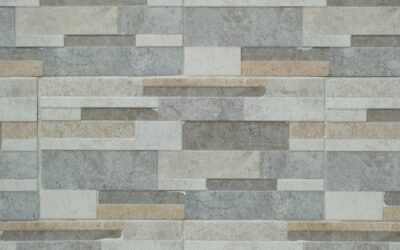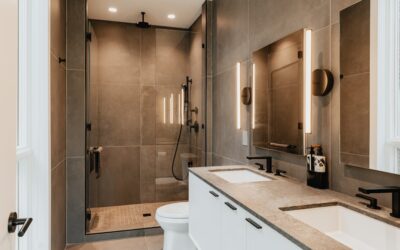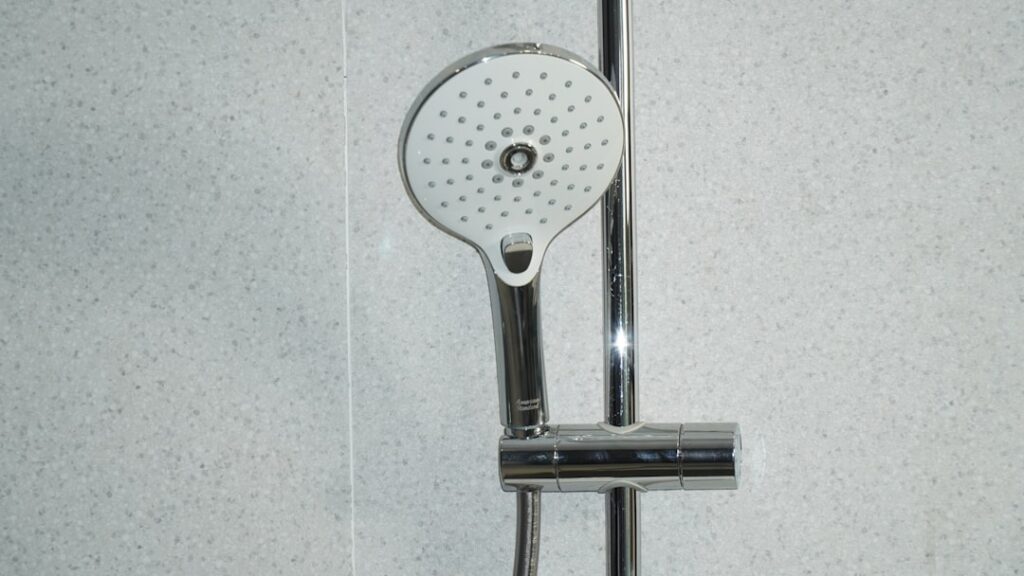
Every homeowner who’s ever spent a weekend scrubbing grout lines in a shower stall has probably wondered if there’s a better way. There is, and it’s why quartz shower wall panels have become one of the more requested upgrades I run into on bathroom remodel jobs. Instead of dozens or hundreds of small tiles held together with grout, you get large-format engineered slabs that cover an entire wall in one or two pieces, with far fewer seams for water, soap scum, and mildew to hide in.
Part of our Countertops guide — explore the full guide →
I’ve installed both traditional tile showers and quartz panel systems over the last several years, and the honest answer is that quartz panels solve real problems but come with tradeoffs that don’t get mentioned enough in the marketing materials. This guide walks through what these panels actually are, how they perform over time, what they cost installed, and how to tell a good product from a mediocre one before you sign a contract.
What Quartz Shower Wall Panels Actually Are
Quartz shower wall panels are engineered surfaces made from crushed quartz aggregate bound with polyester or epoxy resin, then pressed and cured into large sheets, typically manufactured in sizes ranging from about 4 feet by 8 feet up to 5 feet by 10 feet for bigger walls. The panels are usually between 1/4 inch and 1/2 inch thick, thin enough to keep weight manageable but rigid enough to resist flexing once adhered to a properly prepared substrate. Because they’re engineered rather than quarried, the color and pattern are consistent from panel to panel, which matters a lot when you’re trying to match three walls of a shower enclosure without visible seams or color drift.
Don’t confuse these with quartz countertop offcuts fabricated into wall pieces, which is a different (and usually more expensive) approach some stone shops offer. Purpose-built shower wall panels are a distinct product category, often sold under proprietary brand names, engineered specifically for vertical wet-area installation with tongue-and-groove or ship-lap edges that interlock to minimize water infiltration at the seams. Some manufacturers laminate a thinner quartz veneer over a moisture-resistant substrate to cut weight and cost, while others produce solid quartz through the full thickness of the panel.
How Quartz Panels Compare to Tile
The single biggest advantage of quartz shower wall panels over tile is grout elimination. A standard tiled shower might have 150 to 300 linear feet of grout lines depending on tile size, and every one of those lines is a maintenance liability. Grout is porous, it stains, it can develop mold in humid bathrooms, and it needs periodic resealing to keep performing. A quartz panel wall might have two or three seams total, sealed with a color-matched silicone rather than cementitious grout, which dramatically cuts down the surface area where dirt and mildew can accumulate.
Installation speed is another differentiator. A tile crew might spend three to five days tiling out a standard shower enclosure, including substrate prep, tile setting, grouting, and curing time between steps. A quartz panel installation on the same shower can often be completed in one to two days once the panels are cut to size, because you’re essentially gluing and sealing large sheets rather than setting hundreds of individual pieces. That said, tile still wins on design flexibility. You can create intricate patterns, niches, accent bands, and mosaic details with tile that simply aren’t possible with a solid panel system, and tile also gives you more freedom to repair a small damaged section without replacing an entire wall.
Durability and Real-World Performance
Quartz is genuinely hard, sitting around 7 on the Mohs scale, which makes the panels highly resistant to scratching from normal use, soap dishes, razors, or shower caddies bumping against the surface. I have not seen quartz shower panels crack from thermal cycling in normal residential use, since bathroom water temperatures don’t approach the extremes that cause thermal shock in stone. Where I have seen problems is at the edges and around fixture cutouts, where inadequate support behind the panel or poor cutting technique during installation can lead to chipping over time.
The resin binder in quartz does have a practical limit that’s worth understanding before you buy. Prolonged exposure to very hot water, well above typical shower temperatures, or certain harsh chemical cleaners can degrade the resin and cause discoloration or a slight dulling of the surface finish over many years. This is uncommon in a household shower used normally, but it’s why manufacturers universally recommend pH-neutral cleaners rather than bleach-based or highly acidic products. Panels installed correctly with full substrate support, proper adhesive coverage, and quality sealant at the seams should hold up for decades with only routine cleaning, which is comparable to or better than a well-maintained tile shower.
Installation Requirements and What Can Go Wrong
Because these panels are large and rigid, the wall behind them needs to be flat and properly prepared, usually a cement backer board or a moisture-resistant substrate installed plumb and true. Any waviness or bowing in the framing telegraphs through to the panel face, and unlike tile, which can flex slightly to accommodate minor imperfections, a rigid quartz sheet will show every dip and hump in the wall behind it. This means a contractor unfamiliar with panel systems can end up with a job that looks worse than a competent tile installation simply because they skipped proper substrate leveling.
Cutting quartz panels for plumbing valves, shower heads, and niches requires specialized tools, typically a wet saw with a diamond blade and precise templating, because a panel can’t be patched the way a single cracked tile can. I always recommend getting a firm cutout template from the plumber before the panels are ordered or cut, since a mis-measured hole means either an unsightly oversized cutout covered by a trim ring or, worse, ordering a replacement panel. Adhesive selection matters too. Manufacturers typically specify a particular construction adhesive or panel-specific mastic, and substituting a cheaper adhesive to save money is one of the most common causes of panel failure or seam separation I’ve seen on callback jobs.
What Quartz Shower Panels Cost Installed
Material costs for quartz shower wall panels typically run from about $40 to $90 per square foot depending on the brand, thickness, and pattern complexity, with premium designer patterns pushing toward the higher end. For a standard shower enclosure covering roughly 100 to 130 square feet of wall area across three walls, materials alone often land between $4,000 and $9,500. Installation labor adds another $2,000 to $5,000 for a typical job, depending on how much wall prep is needed and whether the crew has panel-specific experience, since specialized labor commands a premium over a generic tile setter.
All told, a full quartz shower wall panel installation for an average-sized shower usually falls between $6,000 and $14,000 complete, compared to a mid-range tile shower that might run $4,000 to $9,000 for similar square footage with standard porcelain tile, or considerably more if you’re specifying natural stone or intricate mosaic work. The panel system costs more upfront in most cases, but the labor savings on future maintenance, resealing grout every one to two years, and the reduced risk of water damage from grout failure can offset some of that premium over a ten-to-fifteen-year ownership horizon.
Choosing a Quality Panel Product
Not all quartz shower wall panels are created equal, and the differences aren’t always obvious from a showroom sample. Ask specifically whether the panel is solid quartz through its full thickness or a thinner quartz veneer laminated to a core material, since solid panels generally hold up better to edge chipping and can sometimes be lightly repaired if damaged. Check the manufacturer’s warranty length and what it actually covers, because some warranties only cover material defects and explicitly exclude installation-related failures, which shifts a lot of risk back onto you if you hire an inexperienced installer.
Look closely at the edge profile and seam design too. Tongue-and-groove or shiplap edges that interlock mechanically tend to perform better against water infiltration than simple butt seams relying entirely on silicone. Ask to see a sample of the actual finish in person rather than judging from a photo or website rendering, since quartz patterns can shift noticeably in real lighting compared to a marketing image, and glossy versus matte finishes handle water spotting differently over time. A reputable dealer should be willing to provide installation specifications, recommended adhesives, and references from completed jobs rather than just a glossy brochure.
Is a Quartz Shower Wall Panel Right for Your Bathroom
Quartz shower wall panels make the most sense for homeowners who want a clean, contemporary look with minimal ongoing maintenance and who are willing to pay a premium upfront to get there. They’re an especially good fit for larger walk-in showers where fewer, bigger panels mean fewer seams overall, and for households that have struggled with grout upkeep in a previous tile shower. They’re a less obvious fit if you want an intricate tile pattern, a mosaic accent wall, or a very tight budget, since basic ceramic tile can still be installed for a fraction of the panel cost.
If you do move forward, the single most important decision isn’t the panel brand, it’s the installer. Ask any contractor bidding the job how many quartz or solid-surface panel showers they’ve actually completed, and ask to see photos of finished seams and cutouts up close. A well-installed quartz shower wall panel system can genuinely look flawless for decades, while a rushed installation on an unlevel wall will show every flaw the day the panels go up. Spend your due diligence there, and the material choice itself becomes a much easier call.