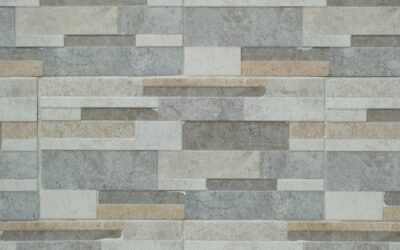
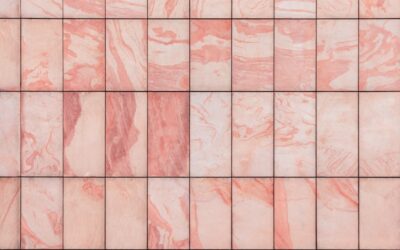
Natural stone on the wall makes a statement that few materials can match, and granite wall panels bring the depth, movement, and permanence of quarried stone to vertical surfaces. Instead of covering a wall with dozens of small tiles, you cover it with large slabs cut to fit, producing a bold, near-seamless expanse of genuine granite on a shower wall, fireplace surround, backsplash, or feature wall.
Part of our Countertops guide — explore the full guide →
Having worked with natural stone on both counters and walls, I can tell you nothing quite replicates the look of a real granite slab catching light across a room. The character is unrepeatable and the durability is legendary. Here’s an honest guide to where these panels shine, where tile still makes more sense, and what the project will cost.
What Granite Wall Panels Are
These are slabs of natural granite, the same stone used for countertops, cut and finished for vertical wall applications. Granite is an igneous rock rated roughly 6 to 7 on the Mohs hardness scale, which makes it extremely hard, heat-tolerant, and long-lasting. Each slab is unique, cut from a natural block, so no two walls look exactly alike.
Panels are typically fabricated from full slabs, often around 120 by 55 inches, and cut to your wall dimensions. That large format means a wall that might take 40 or more individual tiles can instead be covered with one or two continuous pieces, cutting way down on visible seams and grout lines.
Common Uses Around the Home
Natural stone cladding works in high-impact spots where you want durability and a premium look.
- Fireplace surrounds: granite’s heat tolerance makes it a natural, dramatic choice around a firebox.
- Accent and feature walls: a single bookmatched slab wall becomes the centerpiece of a room.
- Kitchen backsplashes: full-height panels that match or complement the countertop.
- Shower and tub surrounds: sealed granite stands up to moisture with fewer grout lines to maintain.
- Exterior facades and columns: weather-resistant cladding for entryways and outdoor features.
Granite Panels vs. Tile
Both natural stone slabs and tile have their place. The right pick depends on your look, budget, and appetite for maintenance.
Where Panels Win
- Seamless drama: continuous natural movement instead of a repeating tile grid.
- Fewer grout lines: less to clean and far less mildew risk.
- Heat resistance: ideal around fireplaces where some materials can’t go.
- Unique character: every slab is one of a kind.
Where Tile Wins
- Lower cost: ceramic and porcelain tile are cheaper per square foot.
- Simpler repairs: a damaged tile can be replaced individually.
- DIY access: tile is much more forgiving for a homeowner installer.
- No sealing: porcelain doesn’t need the periodic sealing natural granite does.
Pros and Cons
Advantages
- Genuine natural stone with unrepeatable color and movement.
- Exceptional durability and scratch resistance.
- Outstanding heat tolerance for fireplace and range applications.
- Near-seamless appearance with minimal grout to maintain.
Drawbacks
- Heavy material that demands strong framing and professional installation.
- Higher cost than tile for both material and labor.
- Requires periodic sealing, especially in wet areas.
- Slab-to-slab variation means you must hand-select your stone.
Installation Overview
Setting large stone panels vertically is skilled work, and the weight alone rules out most DIY attempts. A qualified stone installer will follow a careful sequence to keep the panels safe and secure.
- Templating: exact measurements and templates are made, accounting for outlets, valves, and niches.
- Fabrication: slabs are cut and polished, and any cutouts are made at the shop.
- Wall prep: the substrate is verified flat and, in showers, waterproofed to code.
- Mechanical support: because stone is heavy, installers often use a combination of adhesive, thin-set, and mechanical anchors or clips for tall panels.
- Setting and sealing: panels are leveled, braced while curing, and seams are filled with color-matched silicone before the stone is sealed.
Wall flatness and structural support are the two details that matter most. A heavy slab needs a sound wall behind it, and any dip or bulge in the substrate will show, so proper prep is essential.
Cost and What to Budget
Expect installed pricing roughly in the range of $55 to $110 per square foot depending on the granite you choose, wall complexity, and local labor rates. Exotic and heavily patterned granites push the top of that range, while more common colors keep costs down.
Sample Budget
- Material: $30 to $65 per sq ft for the slab.
- Fabrication and install: $25 to $50 per sq ft.
- A fireplace surround of 30 to 45 sq ft often runs $2,500 to $5,500 installed.
- A full-height kitchen backsplash of 25 to 35 sq ft commonly lands between $1,800 and $4,000.
Bookmatched installations, where two mirrored slabs create a symmetrical pattern, cost more because they require careful slab selection and extra material, but the visual payoff is substantial.
Care and Maintenance
Granite is tough, but it is porous, so sealing is part of ownership. On wall applications, especially in showers, plan to seal the stone on installation and reseal periodically, generally every 12 to 24 months depending on exposure. Clean with warm water and a pH-neutral stone cleaner, and avoid vinegar, bleach, and abrasive pads, which break down sealer and can etch the surface over time. Away from wet areas, a feature wall or fireplace surround needs very little beyond occasional dusting and wiping.
Choosing the Right Granite for Your Wall
Because every slab is unique, selecting the stone is half the project. Visit the slab yard in person and view the full slabs, not just a small sample, since a busy pattern that looks great in a two-inch chip can overwhelm an entire wall. Bring photos of your cabinets, flooring, and paint so you can judge how the stone reads against the rest of the room.
Consider the finish as well. A polished surface deepens the color and adds shine, ideal for a dramatic feature wall, while a honed or leathered finish gives a softer, more understated look that hides fingerprints and water spots. For bookmatched installations, ask to see the two mirrored slabs laid side by side so you know exactly how the symmetry will land on your wall.
Selection Checklist
- View full slabs in person, never approve from a small chip.
- Check movement scale against the size of your wall.
- Match the finish to the room; polished for drama, honed for subtlety.
- Confirm slab count so bookmatched or repeating patterns align.
How Long Installation Takes
A typical granite wall project runs one to two weeks from templating to final set. The slabs are cut, polished, and drilled for any outlets or valves at the shop, then set on site over a day or two depending on wall size and complexity. Allow additional time for adhesives and any mechanical anchors to cure, plus sealing, before exposing a shower wall to water.
Frequently Asked Questions
Can granite wall panels go around a fireplace?
Yes. Granite’s excellent heat tolerance makes it one of the best natural choices for a fireplace surround, delivering both durability and a dramatic look.
Do they need sealing?
Yes. Unlike engineered quartz, natural granite is porous and should be sealed on installation and resealed periodically, particularly in showers and other wet areas.
Are they more expensive than tile?
Generally yes. Both material and labor cost more than most tile, but you gain genuine stone, seamless drama, and superior heat resistance.
Can I install them myself?
It’s not advisable. The slabs are heavy, expensive, and require precise templating, cutting, and mechanical support, so professional installation is strongly recommended.
The Bottom Line
For a wall that commands attention and lasts for decades, granite wall panels bring unmatched natural character, heat resistance, and durability to showers, backsplashes, and especially fireplace surrounds. You’ll pay more than tile and take on a modest sealing routine, but in return you get real, one-of-a-kind stone that few finishes can rival. Hand-select your slabs, hire a qualified installer, and this feature will anchor your room for a generation.