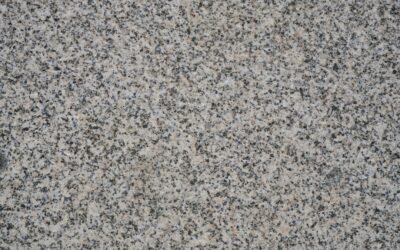
If you want a countertop that combines the durability of stone with the sparkle of glass, granite glass surfaces deserve a look. This term generally refers to recycled-glass or glass-granite composite countertops, in which chips of glass are set into a binder of cement or resin to create a hard, striking, terrazzo-like surface. The result is a durable, eco-friendly counter with a one-of-a-kind, jewel-like appearance. This guide explains what granite glass surfaces actually are, their pros and cons, costs, design options, and how to care for them.
Part of our Countertops guide — explore the full guide →
- What Is Granite Glass?
- The Look and Design Options
- Pros of Granite Glass Countertops
- Cons and Considerations
- How Much Does Granite Glass Cost?
- How to Care for Granite Glass Surfaces
- Is Granite Glass Right for Your Kitchen?
- Cement-Based Versus Resin-Based: Choosing Wisely
- Final Thoughts on Granite Glass
What Is Granite Glass?
Granite glass, more precisely a recycled-glass composite countertop, is a surface made by embedding pieces of glass into a binding material and then polishing the whole slab smooth. There are two main binder types: cement-based composites, which suspend larger glass chunks in a concrete-like matrix for a bold, chunky look, and resin-based composites, which use a clear or tinted resin binder for a smoother, more uniform, quartz-like appearance. Both create a hard, glossy surface studded with glittering glass.
The glass itself is often recycled from bottles, windows, and other post-consumer sources, which is why these counters are prized as an eco-friendly, sustainable choice. The visual effect resembles terrazzo, with colorful flecks and shards catching the light across the surface. It is a distinctly different look from solid granite or quartz, offering movement, color, and sparkle you cannot get from natural stone alone.
The Look and Design Options
The biggest draw of granite glass is its striking, customizable appearance. Because the glass can come in nearly any color and the binder can be tinted, the design possibilities are broad:
- Color of the glass: From clear and white to bold blues, greens, ambers, and multicolor mixes.
- Size of the glass pieces: Large, dramatic chunks for a bold terrazzo effect or fine, uniform flecks for a subtler sparkle.
- Binder color: Light, dark, or tinted matrices dramatically change the overall tone.
- Finish: Polished for maximum shine or honed for a softer, matte look.
This flexibility means a granite glass counter can be a quiet, elegant surface or a vivid centerpiece, depending on your choices. Each slab is essentially unique, so you get a truly custom, artistic countertop that no one else has exactly.
Pros of Granite Glass Countertops
These composite surfaces offer a compelling mix of benefits. They are durable and hard, resisting scratches and standing up to everyday kitchen use. They are eco-friendly, made largely from recycled glass, appealing to sustainability-minded homeowners. Resin-based versions are nonporous and highly stain-resistant, similar to quartz, and require little maintenance. The surface is heat-resistant to a degree, especially cement-based versions, though trivets are still wise. And of course, the sparkling, distinctive appearance is a genuine showstopper that sets a kitchen apart.
For anyone who wants a green product with a bold, artistic look and real durability, granite glass composites hit a sweet spot that few other materials can match.
Cons and Considerations
There are trade-offs to weigh before choosing granite glass. The material can be expensive, often comparable to or higher than quartz and granite, especially for premium designs. Cement-based versions are porous and need periodic sealing, and they can develop hairline surface cracks or crazing over time as the concrete cures and ages, which some homeowners find charming and others find undesirable. Cement-based counters can also be susceptible to etching from acidic spills like lemon and vinegar if not sealed and cared for.
Availability and fabrication can be more limited than for mainstream materials, since not every fabricator works with these composites. It is worth choosing a fabricator experienced with recycled-glass surfaces to ensure a quality result. Understanding whether you are getting a cement or resin binder is key, because their maintenance and behavior differ significantly.
How Much Does Granite Glass Cost?
Recycled-glass composite countertops fall into the premium range. Installed prices typically run about 60 to 140 dollars per square foot or more, depending on the brand, binder type, design complexity, and your region. That puts them in the same neighborhood as high-end quartz and natural stone, sometimes higher for elaborate custom designs with rare glass colors or intricate patterns.
For a typical kitchen with around 40 square feet of counter, that can mean roughly 2,400 to 5,600 dollars or more installed. While not a budget option, the price reflects the custom, handcrafted nature of the material and its eco-friendly appeal. When budgeting, get quotes from fabricators experienced with these surfaces, and clarify whether sealing and edge treatments are included.
How to Care for Granite Glass Surfaces
Care depends heavily on the binder type. For resin-based composites, which are nonporous, maintenance is easy: wipe with mild soap and water or a pH-neutral cleaner, avoid abrasive pads, and use trivets for hot pans. Sealing is generally not required, much like quartz.
For cement-based composites, more care is needed. Seal the surface after installation and reseal periodically to guard against stains and etching. Wipe up acidic spills like citrus, wine, and vinegar promptly to prevent etch marks, and clean with stone-safe, nonacidic cleaners. Use cutting boards and trivets, and avoid harsh chemicals. With the right routine matched to your binder, a granite glass counter stays beautiful for many years. Always follow the specific manufacturer’s care instructions for your particular product.
Is Granite Glass Right for Your Kitchen?
Granite glass is an excellent choice if you want a bold, unique, eco-friendly countertop and are willing to invest in a premium material. It shines in kitchens and baths where you want a genuine focal point, and its sustainability appeals to environmentally conscious homeowners. If you prefer a subtle, uniform surface, want the lowest possible maintenance, or are working with a tight budget, a standard quartz or granite may serve you better. As always, view large samples in your own lighting, since the sparkle and color read very differently across various binders and glass mixes.
Cement-Based Versus Resin-Based: Choosing Wisely
The single most important decision when buying granite glass is whether to choose a cement-based or a resin-based composite, because the two behave very differently in a real kitchen. Cement-based recycled-glass counters have a bold, chunky, artisanal look with larger visible glass pieces set in a concrete-like matrix. They can be sealed to resist stains, offer good heat tolerance, and develop a lived-in character over time. However, they are porous, require ongoing sealing, and can develop hairline crazing or etch from acidic spills, so they suit homeowners who appreciate an evolving, handcrafted surface and are willing to maintain it.
Resin-based composites, by contrast, use a polymer binder that makes the surface nonporous, highly stain-resistant, and low-maintenance, much like quartz. They typically have a smoother, more uniform appearance and do not need sealing, making them the easier-care choice for busy kitchens. The trade-off is that resin is less heat-tolerant than cement, so trivets are essential. When shopping, ask the fabricator explicitly which binder a product uses, since the maintenance, durability, and even the look depend heavily on it. Choosing the binder that matches your tolerance for upkeep and your aesthetic preference is the key to being happy with a granite glass counter for the long term rather than being surprised by its behavior after installation.
Final Thoughts on Granite Glass
For homeowners seeking a durable, sustainable, and truly distinctive surface, granite glass recycled-glass composite countertops offer a sparkling, terrazzo-like look that no natural stone can replicate. They combine real durability with eco-friendly recycled content and endless custom color options, at a premium price that reflects their handcrafted nature. Understand whether you are choosing a low-maintenance resin binder or a characterful cement one, care for it accordingly, and you will enjoy a countertop that doubles as a work of art. If a one-of-a-kind, jewel-like surface appeals to you, granite glass is well worth exploring.