
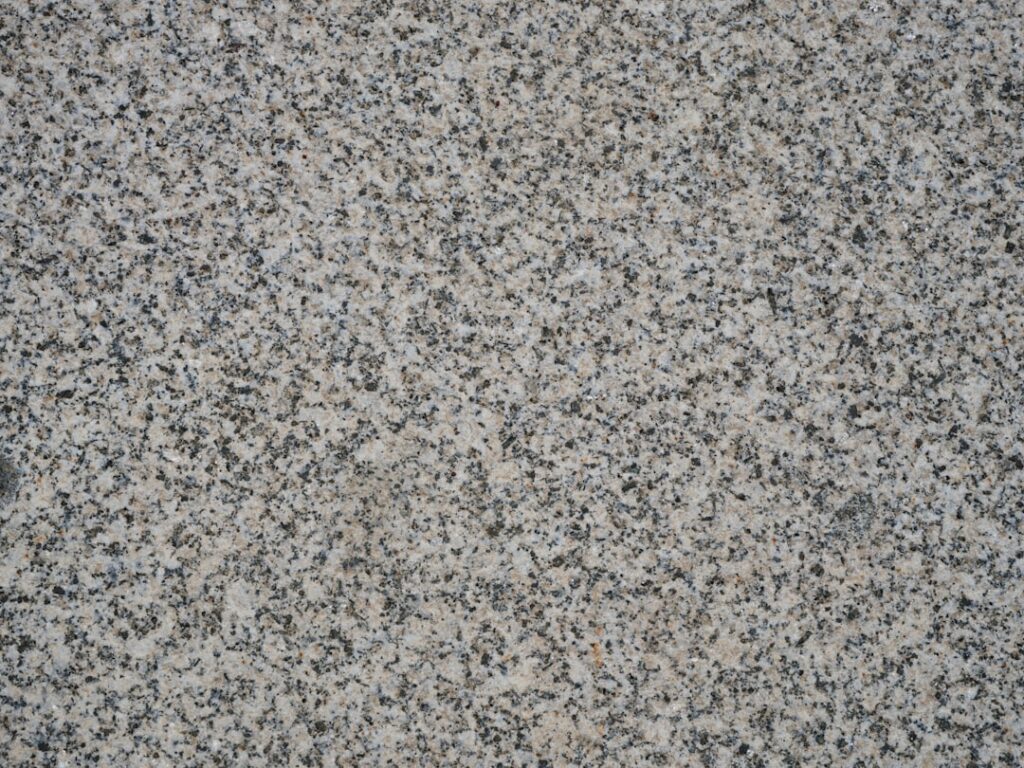
Granite remains one of the most popular countertop materials in American kitchens, prized for its natural beauty, durability, and the fact that no two slabs are exactly alike. If you are weighing your options, understanding the different granite types will help you choose a stone that fits your style, your budget, and the way you use your kitchen. From near-white stones with subtle flecks to dramatic dark slabs with sweeping veins, the variety is enormous.
Part of our Countertops guide — explore the full guide →
This guide breaks down how granite is categorized, the most popular color families, the grading system that affects price, the finishes available, and practical tips for selecting and caring for your slab. Because granite is a natural product, every piece is unique, so view slabs in person whenever you can.
How Granite Is Categorized
Granite is an igneous rock formed as molten material cooled deep underground, which is why its surface shows interlocking mineral crystals of quartz, feldspar, mica, and other minerals. Those minerals create the color and pattern you see. Stones are most commonly grouped by color and by their visual pattern, whether speckled, veined, or marbled.
You will also hear granite described by its country of origin, since slabs are quarried worldwide in places like Brazil, India, Italy, and China. Origin can influence both the look and the availability of a given stone, which in turn affects price and lead time.
Popular Granite Color Families
While individual stone names number in the hundreds, most granite falls into a few broad color families. Knowing these helps you narrow the search before you ever set foot in a stone yard.
- White and light gray: Bright, versatile stones often with gray, black, or burgundy speckles. They suit almost any cabinet color and brighten a space.
- Black: Deep, dramatic slabs ranging from solid black to black with silver or gold flecks; excellent for a bold, modern look.
- Beige and tan: Warm neutrals that pair well with traditional wood cabinets and earthy palettes.
- Brown and gold: Rich tones with movement, often featuring waves of caramel, cream, and chocolate.
- Blue and green: Rarer, statement stones that command premium prices and serve as a focal point.
- Red and pink: Less common warm-toned granites with distinctive character.
Lighter stones tend to make a kitchen feel larger and more open, while darker stones add depth and contrast, especially against light cabinets.
Understanding Granite Grades
Granite is informally sorted into grades or levels that reflect quality, rarity, and appearance rather than a strict universal standard. Suppliers often use a tiered system, so always ask how a particular yard defines its grades.
- Entry or commercial grade: Thinner slabs with simpler patterns and more uniform color, often the most affordable.
- Mid grade: Standard-thickness slabs with more attractive color and pattern variation, a common choice for residential kitchens.
- High or premium grade: Rare colors, dramatic veining, thicker slabs, and unusual minerals; the most expensive tier.
Higher grades are not necessarily more durable than lower ones; the distinction is largely about appearance, rarity, and thickness. A common entry-level stone can perform just as well day to day as a premium slab.
Common Finishes
The finish dramatically changes how a granite slab looks and feels, even within the same stone. The same color can read formal or rustic depending on how the surface is treated.
- Polished: A glossy, reflective surface that deepens the color and is the most common choice for kitchens.
- Honed: A smooth matte finish with a softer, more understated look; it can show fingerprints more readily.
- Leathered: A textured finish that hides smudges and adds a tactile, contemporary feel.
- Flamed or brushed: Rougher textures more often used outdoors or for slip resistance.
Polished granite resists staining slightly better because the pores are tighter, but every finish still benefits from sealing. Choose the finish that matches both your aesthetic and how forgiving you need the surface to be.
Cost Considerations
Installed granite countertops generally range from about $40 to $100 or more per square foot, depending on the stone’s rarity, the grade, slab thickness, edge profile, and your local labor rates. Common light and beige granites sit at the lower end, while rare blues, greens, and exotic veined stones reach the top of the range.
Remember that the slab itself is only part of the cost. Fabrication, edge work, cutouts for sinks and cooktops, and installation all add to the total. Always get an itemized quote, and treat any figures here as general estimates that vary widely by region and supplier.
How to Choose the Right Granite
Start with your overall kitchen palette and decide whether you want the counter to blend in or stand out. A busy, heavily veined stone makes a statement but can compete with patterned backsplashes and bold cabinets, while a subtle speckled granite plays a quieter supporting role.
Always view the actual slab you are buying, not just a small sample, because color and movement vary across a single stone. Bring a sample of your cabinet color and flooring to the yard, and look at the slab under different lighting. If you cook heavily, lean toward darker or busier patterns that hide everyday crumbs and minor wear.
Granite Versus Other Countertop Materials
It helps to see where granite sits among the alternatives. Quartz, an engineered stone, offers a more uniform look and never needs sealing, but it can be damaged by high heat and lacks the one-of-a-kind character of natural stone. Marble is prized for its elegance, yet it is softer and far more prone to etching and staining than granite, making it a higher-maintenance choice in a working kitchen.
Laminate and solid-surface counters cost less and install easily, but they cannot match granite’s heat resistance, durability, or resale appeal. Granite stands out for being a genuine natural material that handles hot pans, resists scratches, and adds value to a home. The main caveats are that it requires periodic sealing and that, because each slab is unique, you should always approve the exact piece going into your kitchen.
Caring for Granite Countertops
Granite is tough but porous, so sealing is the key to keeping it looking its best. Most stones should be sealed at installation and resealed periodically; a simple water-drop test, where water beads rather than soaks in, tells you when it is time.
For daily cleaning, use warm water and a mild, pH-neutral cleaner rather than harsh or acidic products that can dull the surface over time. Wipe up spills like wine, citrus, and oil promptly, and use cutting boards and trivets to protect the finish. With this modest routine, any of the many granite types you might choose will deliver decades of beauty and reliable service in your kitchen.


