Walk into a stone yard and the sheer number of granite slabs can feel overwhelming, with no two pieces exactly alike. Choosing the right granite color is one of the most important decisions in a kitchen or bathroom remodel, because it anchors the entire palette and lives in your home for decades. Granite forms naturally over millions of years, so its colors range from creamy whites to dramatic blacks, each with unique veining and movement. This guide walks you through the most popular shades, how to choose, and what to expect on cost and care.
Part of our Countertops guide — explore the full guide →
- Why Granite Color Varies So Much
- Popular Granite Color Families
- How to Choose the Right Color
- Light vs. Dark: Practical Differences
- What Granite Costs by Color
- Coordinating Granite With Your Kitchen
- Caring for Granite of Any Color
- Granite Color and Resale Value
- Common Granite Color Mistakes to Avoid
- The Bottom Line
Why Granite Color Varies So Much
Granite is a natural igneous rock, and its color comes from the minerals present when it formed. Feldspar lends pinks and creams, quartz adds whites and grays, mica and amphibole produce blacks and dark flecks, and other minerals contribute blues, greens, and golds. Because every slab is cut from a different part of a different quarry, color and pattern vary not just between types but between individual slabs of the same name.
This natural variation is granite’s greatest appeal and the reason you should always select your specific slabs in person rather than ordering by name alone.
Popular Granite Color Families
Granite colors group loosely into families, each setting a different mood in a kitchen.
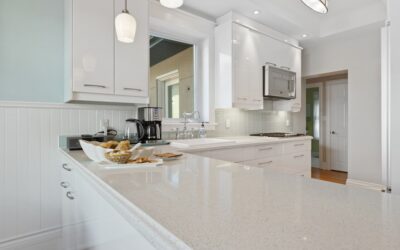
- White and light gray: Bright, airy options with gray or black speckling that suit modern and transitional kitchens.
- Black: Dramatic and elegant, from solid near-black to black with gold or white flecks. Hides crumbs but shows dust.
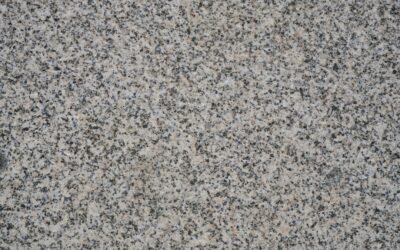
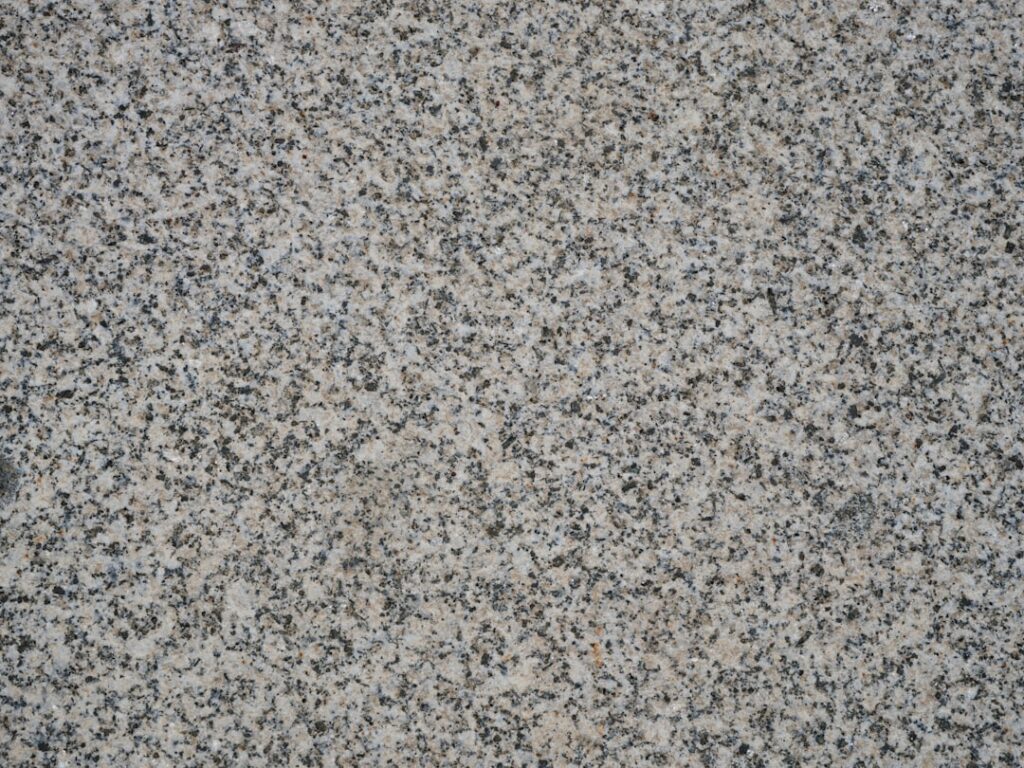
- Beige and tan: Warm, versatile neutrals that pair with almost any cabinet color and forgive everyday mess.
- Brown and gold: Rich earth tones with caramel and bronze movement, cozy and traditional.
- Blue and green: Bold, exotic granites with striking color, ideal as a statement surface.
- Red and burgundy: Warm, energetic stones with dramatic veining for a distinctive look.
How to Choose the Right Color
Start with the elements that are hardest to change. Match granite to your cabinets, flooring, and overall style first, then refine. Light granite makes small kitchens feel larger and pairs well with dark cabinets for contrast, while dark granite grounds a bright, light-cabinet kitchen. Busy, heavily patterned granite becomes the focal point, so keep backsplashes and cabinetry simpler when you choose a dramatic stone.
Consider undertones carefully. A granite that looks neutral can carry pink, gold, green, or blue undertones that may clash with your paint or tile. Lay samples against your actual finishes and view them in natural and artificial light at different times of day.
Light vs. Dark: Practical Differences
Beyond looks, granite color affects daily life. Lighter granites tend to hide water spots and dust but may show coffee or wine stains more readily, especially in solid pale tones. Darker granites mask crumbs and small spills but reveal fingerprints, smudges, and dust, requiring more frequent wiping to stay glossy. Mid-tone and speckled granites strike a practical balance, camouflaging everyday use the best.
If low maintenance is a priority, a busy beige or brown with plenty of movement hides the most while still looking handsome.
What Granite Costs by Color
Granite pricing reflects rarity, origin, and demand for a given color. As a general USD guide, common beige, tan, and some black granites run about $40 to $60 per square foot installed. Mid-grade whites and grays fall around $50 to $80. Rare and exotic colors such as vivid blues and greens can reach $80 to $200 or more per square foot installed. Edge profiles, sink cutouts, and slab thickness also influence the final price.
Because granite is sold by the slab, choosing a more common color can stretch your budget further without sacrificing the natural beauty of real stone.
Coordinating Granite With Your Kitchen
A successful kitchen ties granite color to cabinets, backsplash, walls, and floors. Pull a secondary color from the granite’s pattern for your backsplash or wall paint to create harmony. Neutral granites give you flexibility to change paint and accessories over time, while bold granites lock in a stronger design direction. Metal finishes on faucets and hardware should complement the stone’s undertones, with warm metals suiting golds and browns and cool metals pairing with grays and whites.
Caring for Granite of Any Color
Granite is durable but porous, so sealing is important regardless of color. Most granite benefits from sealing at installation and resealing periodically, often once a year, though the exact frequency depends on the stone’s density. Test by dripping water on the surface; if it soaks in rather than beading, it is time to reseal. Clean daily with warm water and a pH-neutral stone cleaner, avoiding acidic or abrasive products that can etch or dull the finish.
Wipe spills promptly, use cutting boards and trivets, and your granite will retain its color and shine for the long haul.
Granite Color and Resale Value
If you may sell your home down the road, color choice carries weight beyond personal taste. Neutral granites in beige, tan, gray, and speckled black appeal to the broadest pool of buyers and rarely date a kitchen, which is why they dominate spec homes and flips. A bold blue or vivid green slab can be stunning, but it locks the kitchen into a specific look that not every buyer will love.
That does not mean you must play it safe in a home you plan to keep for decades. Just go in with eyes open: the more distinctive the color, the more it becomes a personal statement rather than a neutral backdrop. For a kitchen you expect to sell within a few years, a versatile mid-tone granite is the safer investment.
Common Granite Color Mistakes to Avoid
The most frequent error is choosing from a small sample chip instead of viewing full slabs. Granite varies dramatically across a slab, and the busy movement or color shift you get on the full counter can look nothing like the tidy sample. Always inspect and tag your actual slabs at the yard.
Ignoring undertones is another trap. A granite that seems neutral on the showroom floor can carry a pink, gold, or green cast that fights your cabinets and paint once it is home. Lighting compounds the problem, since a slab viewed under bright showroom light reads differently in your kitchen’s daylight and evening bulbs. Bring samples of your cabinet door, flooring, and paint to the stone yard, and view candidate slabs in multiple lighting conditions before you commit.
The Bottom Line
Granite color sets the tone for your entire kitchen, so choose it thoughtfully against your cabinets, flooring, and lighting. Lighter shades brighten and hide dust, darker shades add drama but show smudges, and mid-tone speckled stones hide daily use best. Select your actual slabs in person, balance bold stone with simple surroundings, and keep the surface sealed and clean. With the right color and care, granite delivers natural beauty that lasts a lifetime.