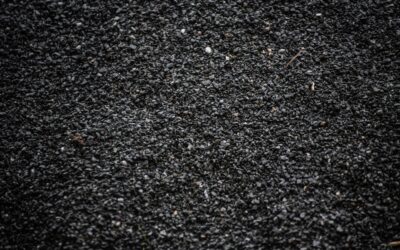
Walk through any well-designed garden, park path, or xeriscaped front yard in the Southwest and the ground underfoot is often a warm, fine gravel that looks natural and intentional at once. That material is decomposed granite, and the shade you choose makes or breaks the look. The range of decomposed granite colors runs from pale gold to deep rust to cool gray, and each tone changes the mood of a landscape and how it pairs with your home. This guide breaks down the popular colors, where each works best, and how to pick the right one.
Part of our Countertops guide — explore the full guide →
What Decomposed Granite Is
Decomposed granite, usually shortened to DG, is granite rock that has naturally weathered and broken down into a fine, gravel-like material. It ranges from sandy fines to small 1/4-inch pebbles, and it compacts into a firm, permeable surface that drains well and resists erosion.
Landscapers love it for pathways, patios, driveways, garden mulch, and xeriscaping because it is affordable, natural-looking, and low-maintenance. The color comes from the parent granite and the minerals in it, which is why shades vary so widely by region and quarry.
The Most Popular Color Families
Decomposed granite spans a broad palette, but most products fall into a handful of color families. Knowing them helps you shop with confidence.
- Gold and tan: The classic, sold under names like California Gold and Desert Gold. Warm, sunny, and the most popular choice nationwide.
- Brown and buff: Earthy mid-tones that read natural and blend with most architecture.
- Gray: Cool, modern, and neutral, from light silver-gray to charcoal. A favorite for contemporary designs.
- Red and rust: Iron-rich shades like Sonoran Red that bring bold Southwestern warmth.
- Pink and salmon: Softer warm tones that flatter desert and Mediterranean styles.
- Black and dark: Dramatic, high-contrast options for modern landscapes, though they absorb more heat.
Matching Color to Your Home and Landscape
The best color is the one that ties your hardscape to the house and plantings. A few guiding principles help:
Warm gold and tan shades pair naturally with stucco, adobe, and Southwestern homes, and they make green plants pop. Gray tones suit modern and contemporary architecture with cool-toned exteriors, and they read crisp against white or black trim. Red and rust shades echo desert landscapes and terracotta, while staying bold enough to anchor a design on their own.
Always view a sample on site. Decomposed granite colors shift dramatically between the bag, the bright midday sun, and the warm evening light, and a shade that looks perfect in a catalog can clash once it is spread across your yard.
How Color Affects Function
Beyond looks, color carries practical consequences worth weighing before you buy.
- Heat absorption: Dark grays and blacks soak up the sun and get noticeably hotter underfoot than pale gold or tan, which matters for patios and pet areas.
- Glare: Very light colors can be bright and reflective in full sun.
- Dust and staining: Lighter DG shows tracked-in dirt and organic stains more than darker shades.
- Fading: All DG lightens somewhat with sun exposure over the years; deeper colors show the change more.
In a hot climate, a mid-tone gold or tan often strikes the best balance between appearance and comfort underfoot.
Stabilized vs. Natural DG
Color is not the only choice. You can buy DG loose or stabilized with a binder that locks the fines together into a firmer, more durable surface. Stabilized DG resists erosion and tracking, which keeps your chosen color in place rather than washing into the flower beds. It costs more but pays off on pathways and patios where you want a clean, lasting finish. The binder can slightly deepen the color, so factor that in when comparing samples.
What It Costs
Decomposed granite is one of the more budget-friendly landscape surfaces. Loose DG typically runs $40 to $80 per cubic yard, or roughly $1 to $3 per square foot installed for a basic path. Stabilized DG and premium or specialty colors cost more, often $4 to $8 per square foot installed. Bagged DG for small projects is available at home centers but costs more per pound than bulk delivery, so order bulk for any sizable area.
How Much DG You’ll Need
Color choice means little if you order the wrong quantity, so run the math before you call the supplier. Decomposed granite is sold by the cubic yard, and one cubic yard covers roughly 100 square feet at a 3-inch depth, which is the standard for a path or patio that needs to compact firm. For a 4-inch depth on a driveway, figure closer to 80 square feet per yard. Multiply your length by width to get square footage, then divide by the coverage number for your depth.
As a worked example, a path 4 feet wide and 50 feet long covers 200 square feet. At a 3-inch depth that calls for about 2 cubic yards. Always pad the order by about 10 percent for compaction and waste, since DG settles as you tamp it. One cubic yard weighs roughly 1.4 to 1.5 tons, so confirm your delivery vehicle or trailer can handle the load, or have it dumped and plan to barrow it in.
Maintaining the Color Over Time
Holding onto the shade you picked takes a little upkeep, especially with loose DG. Sun gradually lightens every color, but the bigger threat to appearance is migration: foot traffic, rain, and wind carry fines into beds and low spots, exposing patchier material underneath. A light raking every season pulls the surface back level and refreshes the look. Plan to top-dress with a thin layer of fresh DG every two to four years to restore depth of color, budgeting roughly $40 to $80 per cubic yard for the refill.
Keep organic debris off the surface, since rotting leaves stain lighter golds and tans and feed weeds that break up the compacted layer. A quick blow or rake clears it. Stabilized DG holds its color far longer because the binder locks the fines in place, cutting both migration and weed growth, which is why it earns its premium on visible front-yard paths. Whichever you install, a once-a-year tamp on heavily used sections keeps the surface firm and the color even underfoot.
Choosing Your Color With Confidence
Start by gathering samples of two or three decomposed granite colors that fit your home’s palette, then lay them out in your yard and look at them across the day, from morning to evening light. Consider the heat factor if the area gets full sun, and decide whether stabilized DG suits your traffic level. Warm gold remains the safe, popular default, gray reads modern, and red makes a bold statement. With a sample in hand and your home’s tones in mind, you can pick a color that looks intentional and holds up beautifully for years.