
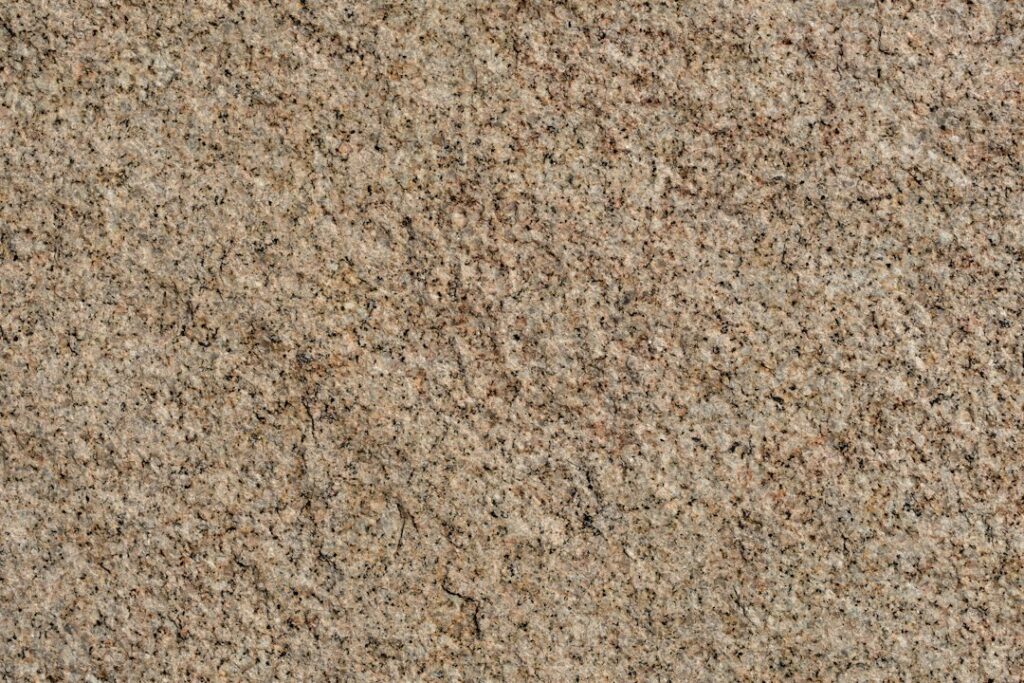
Understanding decomposed granite cost is the first step to budgeting a patio, pathway, driveway, or garden project. Decomposed granite, often called DG, is a natural, weathered granite that breaks down into a gravel-and-sand blend prized for its rustic look, good drainage, and affordable price. This guide lays out realistic price ranges by the ton, cubic yard, and square foot, plus the added costs of delivery, stabilizers, and professional installation, so you can plan with confidence.
Part of our Countertops guide — explore the full guide →
Keep in mind that all figures here are general estimates. Actual prices vary by region, supplier, quantity, quality, and how far the material must travel, so always gather local quotes before finalizing your budget.
What Decomposed Granite Is and Why People Use It
Decomposed granite forms as solid granite weathers over thousands of years into small particles ranging from fine grit to pea-sized gravel. The result is a stable, natural-looking material with warm earth tones that blend into landscapes. It compacts into a firm surface yet still allows water to drain, making it a popular alternative to concrete, asphalt, and pavers.
Homeowners choose DG for walkways, patios, garden beds, dog runs, xeriscapes, and informal driveways. It is budget-friendly, eco-conscious, and easy to work with, though it does require occasional maintenance and can track indoors if used near entryways. The low material cost is a big part of its appeal, which is exactly why pricing is worth understanding in detail.
Decomposed Granite Cost by the Ton
Most suppliers sell DG by weight, and the per-ton price is the starting point for any estimate. As a general range, loose decomposed granite often costs somewhere in the ballpark of roughly 40 to 100 dollars per ton at the supplier, with premium, color-enhanced, or stabilized blends costing more.
The exact price depends on the grade and color. Standard natural DG sits at the lower end, while specialty colors and finer screened material command higher prices. Buying in bulk usually lowers the per-ton cost, so larger projects often get better unit pricing. Always confirm whether a quote includes delivery, since hauling heavy material can add significantly to the total.
Cost by Cubic Yard and Square Foot
Some suppliers price DG by volume rather than weight. One cubic yard of decomposed granite typically weighs more than a ton, so volume pricing and weight pricing can differ. As a rough guide, a cubic yard often falls in the range of roughly 50 to 120 dollars or more depending on quality and region.
- To estimate coverage, a common rule is that one cubic yard covers a sizeable area at a few inches deep, though exact coverage depends on the compacted depth you want.
- For paths and patios, a depth of about 3 to 4 inches is typical.
- On a per-square-foot basis, material alone often works out to a low dollar figure, frequently in the range of 1 to 3 dollars per square foot before labor.
Calculate your square footage and desired depth, then ask your supplier to convert that into tons or cubic yards so you order the right amount with a little extra for compaction and waste.
Stabilized vs. Loose DG and Resin Options
The type of DG you choose changes both the cost and the performance. Loose, natural DG is the cheapest but can shift, erode, and track more easily. Stabilized DG mixes in a binder that locks the particles together for a firmer, more durable surface, and it costs more per ton because of the additive.
Resin-coated or polymer-bound DG creates the most solid, pavement-like surface and resists erosion and weeds the best, but it sits at the high end of the price range. For low-traffic garden paths, loose DG may be fine. For patios, accessible walkways, or driveways, the added cost of a stabilizer or resin binder is often worth it for durability and reduced maintenance.
Delivery, Labor, and Installation Costs
Material is only part of the budget. Delivery fees depend on distance and quantity, and for small loads the delivery charge can rival the material cost itself, so ordering in bulk spreads that cost out. Some suppliers offer free delivery above a minimum order.
Professional installation adds labor for grading, edging, base preparation, laying down landscape fabric, spreading, and compacting the material. Installed costs vary widely, but as a general estimate, a professionally installed DG surface commonly lands somewhere in the range of a few dollars to around 8 to 12 dollars per square foot depending on site conditions, stabilizer use, and edging. DIY installation saves on labor but requires a plate compactor, proper edging, and physical effort.
Factors That Affect Your Total Price
Several variables push your final cost up or down, so account for all of them when budgeting.
- Project size, since larger orders usually lower the per-unit material cost.
- Color and grade, with specialty colors and finely screened DG costing more.
- Stabilizers or resin binders, which add to material cost but improve durability.
- Delivery distance and quantity, which affect hauling fees.
- Site prep needs like grading, drainage, edging, and base material.
- Labor in your region if you hire a professional.
Getting two or three local quotes is the only way to pin down accurate numbers, because regional supply and demand swing prices considerably.
Budgeting Tips and Final Thoughts
To keep costs reasonable, order the right quantity by measuring carefully and adding a modest buffer for compaction and waste. Compare bulk pricing against bagged options for small areas, since bagged DG costs more per unit but may make sense for tiny projects. Weigh the upfront savings of loose DG against the long-term maintenance it requires versus a stabilized surface that costs more now but holds up longer.
Decomposed granite remains one of the most affordable ways to create attractive, permeable outdoor surfaces. By understanding the cost per ton, cubic yard, and square foot, factoring in delivery and labor, and choosing the right grade for your project, you can build a beautiful path, patio, or driveway that fits your budget and lasts for years.


