No two granite slabs are exactly alike, which is both the joy and the challenge of choosing a counter. The range of granite countertops colors runs from crisp arctic whites to inky blacks, with golds, blues, reds, and greens in between, each with its own movement and mineral flecks. Because granite is a natural stone, the color you pick sets the entire tone of the kitchen. This guide walks through the most popular color families, how to choose one that works with your space, and how to keep it looking great.
Part of our Countertops guide — explore the full guide →
Why Color Varies So Much
Granite gets its color from the minerals in the rock: feldspar contributes whites, pinks, and creams, quartz adds clear and gray tones, mica creates dark flecks and sparkle, and other minerals introduce blues, greens, and golds. Because these form naturally over millions of years, every slab has unique veining, speckling, and color depth.
This is why you should always select your actual slab in person rather than ordering from a small sample chip. A 4-inch sample cannot show the large-scale movement and color shifts you will live with across a full counter.
White and Light Granite
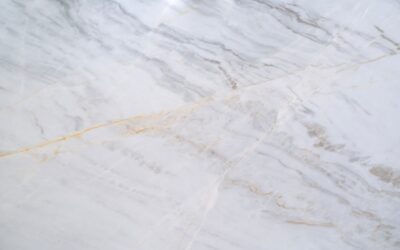
White and light granites are popular for bright, open kitchens. They pair easily with almost any cabinet color and make small spaces feel larger. Popular patterns in this family feature white or cream backgrounds with gray, black, or burgundy speckling and flowing veins.
Keep in mind that lighter granites are often more porous and may show stains more readily, so prompt sealing and quick spill cleanup matter. The payoff is a clean, timeless look that resists going out of style.
Black and Dark Granite
For drama and contrast, dark granites are hard to beat. Deep black and charcoal slabs, some nearly solid and others speckled with silver and gold, anchor a kitchen and make light cabinets and backsplashes pop. They hide crumbs and minor stains well, which appeals to busy households.
The trade-off is that dark, polished surfaces can show fingerprints, water spots, and dust more visibly. A honed or leathered finish softens that effect while still delivering the rich, moody color.
Warm Tones: Gold, Brown, and Red
Warm-toned granites bring earthy richness and pair beautifully with wood cabinetry and traditional kitchens. This family includes:
- Gold and amber granites — flowing patterns in tan, gold, and brown that feel cozy and luxurious.
- Brown granites — chocolate and coffee tones that hide wear and complement warm palettes.
- Red and burgundy granites — bold backgrounds with black and gray flecks for a striking statement.
These tones add warmth that cooler stones lack, though strong colors are harder to change later, so consider how long you plan to keep the kitchen.
Cool and Statement Colors: Blue and Green
For something distinctive, blue and green granites turn a counter into a centerpiece. Blue granites can feature shimmering iridescent flecks and dramatic movement, while green granites range from soft sage to deep forest. These are premium, eye-catching choices often reserved for islands or feature areas.
Because they are bolder and sometimes rarer, statement-color slabs typically cost more and pair best with simpler cabinetry that lets the stone shine.
How to Choose the Right Color
A few practical steps narrow the field quickly.
- Start with your cabinets and flooring; choose a granite that complements, not competes with, them.
- Decide whether you want the counter to blend in or stand out as a focal point.
- Consider lighting; the same slab looks different under daylight versus warm kitchen bulbs.
- Think about upkeep; busier patterns hide crumbs and small stains better than solid colors.
- View the full slab in person and mark the section that will become your counter.
Sealing and Care
Whatever color you choose, granite needs sealing to resist stains, since the stone is naturally porous. Most slabs benefit from sealing at installation and resealing periodically, often once a year, though dense dark granites may need it less often. A simple water-bead test tells you when it is time: if water no longer beads on the surface, it is due for resealing.
For daily care, wipe spills promptly, clean with a mild dish soap or a stone-safe cleaner, and skip acidic or abrasive products that can dull the polish. Use trivets under hot pans and cutting boards to protect both the stone and your knives.
Matching Granite to Your Kitchen Style
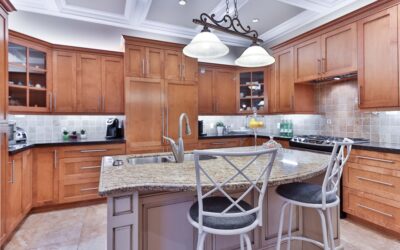
Color reads differently against different design styles, so consider the overall look you are after. For a traditional kitchen with wood cabinets and detailed millwork, warm golds, browns, and rich speckled patterns feel right at home. A modern kitchen with flat-panel cabinets often pairs best with cleaner, less busy granite in white, gray, or solid black, where the stone reads as a calm backdrop.
Transitional kitchens, which blend traditional and modern elements, give you the most flexibility. Mid-tone granites with moderate movement bridge the two styles nicely. Whatever direction you choose, view the slab against samples of your cabinet and floor finishes before deciding, since adjacency changes how a color appears.
Edge Profiles and Finishes
The color is only part of the story; the edge and surface finish also shape the look. A polished finish brings out the deepest color and shine and is the most common choice. A honed finish gives a soft, matte appearance that mutes color slightly and hides fingerprints, while a leathered finish adds subtle texture and a low sheen that masks smudges on dark stone.
Edge profiles range from a simple eased or beveled edge for a clean modern look to ogee and bullnose profiles for traditional kitchens. A thicker mitered edge makes a slab look more substantial. These details work together with the color to define whether the counter feels sleek and contemporary or warm and classic.
Final Thoughts
With such a wide spectrum of granite countertops colors, there is a slab to suit nearly any kitchen style, from bright and airy to dark and dramatic. Match the color to your cabinets and lifestyle, always pick your actual slab in person, and keep up with sealing, and your granite will stay a stunning, durable surface for decades.