Quartzite starts life as sandstone, and the minerals trapped in that sand decide what your kitchen will look like millions of years later. That is why quartzite countertop colors range from nearly pure white to deep teal, rusty gold and smoky gray, and why two slabs with the same name can look surprisingly different. Iron oxides add warm reds and golds, chlorite and other minerals bring greens, and certain minerals like dumortierite and lazulite push the stone toward blue.
Part of our Countertops guide — explore the full guide →
Color is only half the story, though. Some popular varieties are dense, true quartzite that shrugs off lemon juice, while others are softer stones marketed under the same label that etch and stain like marble. The best way to choose is to shortlist colors you like, then check each candidate’s durability before committing to a slab.
- Quartzite Countertop Colors at a Glance
- White Quartzite: White Pearl, Super White and Calacatta Looks
- Blue Quartzite Countertops
- Green Quartzite: Emerald and Sea Glass Tones
- Gray, Black, Gold and Red Varieties
- Pairing Quartzite Colors With Cabinets and Floors
- How to Choose a Color and Slab Step by Step
- Care and Sealing by Color
- Troubleshooting Color Surprises
- When to Call a Pro
- Frequently Asked Questions
Slab prices also track color closely. Neutral grays and warm creams are usually the most affordable, bright whites with dramatic veining sit in the middle to upper range, and saturated blues and greens are typically the most expensive because only a handful of quarries produce them. Setting a budget early keeps you from falling for a slab that is far outside it.
Quartzite Countertop Colors at a Glance
Here is a quick snapshot of the main families of quartzite countertop colors, along with typical character and durability notes. Trade names vary by importer, so use these as reference points rather than exact product names.
| Color family | Typical look | Durability notes |
|---|---|---|
| Bright white | Soft gray veins on white | Varies widely; test for etching |
| Warm white and cream | Beige, gold and taupe waves | Usually dense and low maintenance |
| Blue | Sky to navy with crystal flecks | Hard; seal well, some pitting |
| Green | Emerald to sea-glass tones | Very hard; occasional fissures |
| Gray and black | Smoky, linear veining | Dense; hides wear well |
| Gold and red | Iron-rich warm tones | Hard; good for busy kitchens |
White Quartzite: White Pearl, Super White and Calacatta Looks
White is by far the most requested color, mostly because people want the look of marble without the upkeep. Three names come up constantly.
White Pearl Quartzite
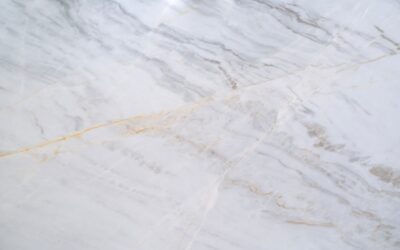
White pearl quartzite features a creamy white base with soft gray and taupe waves and a subtle shimmer from crystal content. It tends to be quite dense, resists etching well, and is forgiving with everyday stains once sealed. It suits both modern white kitchens and warmer transitional designs, and pairs nicely with brushed brass or matte black hardware.
Super White
Super white has a bright white to light gray background with dramatic charcoal veining, and it is one of the most popular stones in the country. It is also one of the most misunderstood. Many slabs sold as super white are actually dolomite, a stone that is harder than marble but softer than true quartzite and that can etch from acids. Shoppers sometimes search for quartz super white, which usually means an engineered quartz product designed to mimic this look rather than natural stone. If you love the natural version, ask for a sample and run an etch test with lemon juice before buying.
Calacatta-Look Quartzite
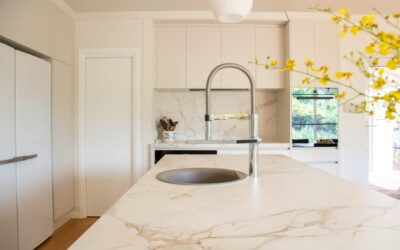
Calacatta quartzite countertops copy the bold, high-contrast veining of the famous Italian marble, often with gold or gray streaks across a bright white field. These slabs are frequently bookmatched on islands for a dramatic mirror-image effect. Quality varies, so look at the whole slab, not just a sample, and check that the veins are not hiding fissures that could be weak points.
Blue Quartzite Countertops
Blue quartzite countertops are among the most striking stones available. Colors run from pale sky blue with white swirls to intense navy with sparkling crystal inclusions. Blue varieties are generally very hard and heat resistant, making them a strong choice for islands and bar tops where they become a focal point.
A few cautions apply. Some blue stones have natural pits and small voids that fabricators fill with clear resin, so ask how much filling the slab has. Blue quartzite is also usually among the priciest options because supply is limited. To balance the cost, many homeowners use blue only on an island or a bar and pair it with a quieter white or gray stone on the perimeter.
Green Quartzite: Emerald and Sea Glass Tones
Emerald green quartzite brings rich, saturated color that ranges from deep forest tones to luminous sea glass greens, often with white or gold veins running through it. Green varieties tend to be extremely hard and durable, holding up well to knives, hot pans set on trivets, and daily wear.
Green works beautifully with warm wood cabinets, cream painted cabinetry and unlacquered brass. Because the color is strong, it shines on a single statement surface: a powder room vanity, a coffee bar or a kitchen island. Watch for natural fissures, which are common in green stones. Tight, healed fissures are usually fine; open cracks you can catch with a fingernail deserve a closer look and a conversation with your fabricator.
Gray, Black, Gold and Red Varieties
Not every kitchen needs a white or jewel-toned counter. Gray quartzite with linear smoky veining reads contemporary and hides crumbs and water spots better than white. Darker gray and near-black slabs give a moody, sophisticated feel and pair well with light oak cabinets.
Warm varieties with gold, honey and red tones come from higher iron content. They complement traditional and rustic kitchens and work well with terracotta or warm tile floors. These stones tend to be dense, durable and forgiving, making them a practical pick for busy households with kids.
Pairing Quartzite Colors With Cabinets and Floors
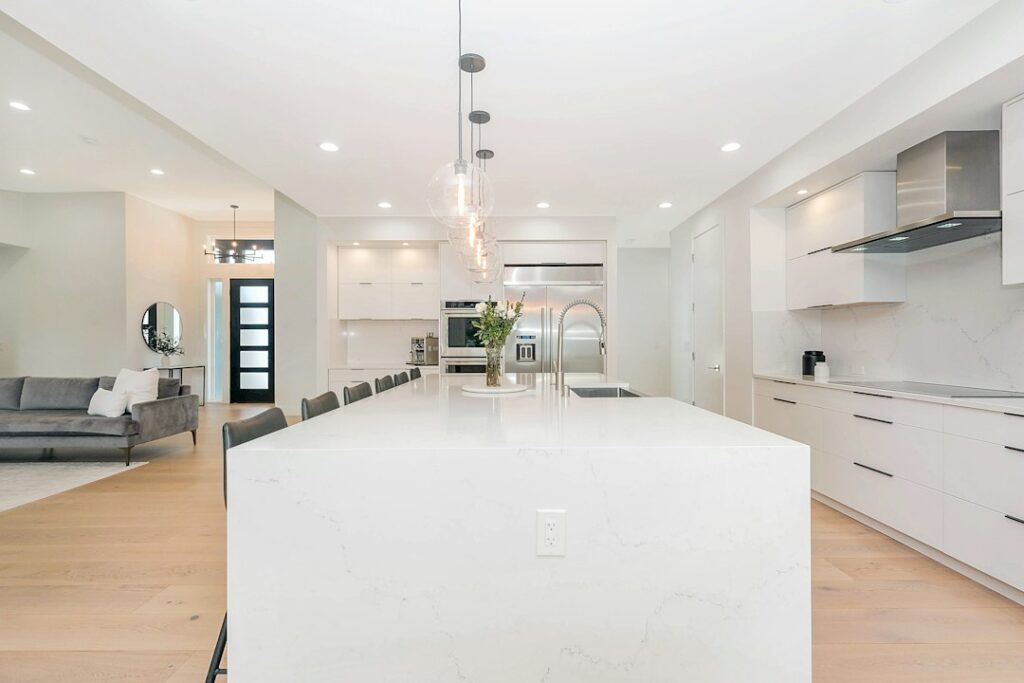
A few pairings work almost every time. Bright white quartzite with gray veining looks crisp against navy, sage or charcoal painted cabinets and balances light oak or maple floors. Warm white and cream slabs suit walnut, cherry and stained oak cabinetry, and they keep a kitchen with warm wood floors from feeling cold. Blue stone stands out against white or pale gray cabinets, while green looks rich next to cream paint, natural wood and aged brass.
Floors deserve attention because they cover the largest surface in the room. Busy veining paired with a busy patterned tile floor can compete, so choose one star and let the other stay calm. If you have dark hardwood, a lighter counter keeps the room from feeling heavy; with pale luxury vinyl or light tile, a mid-tone gray or gold quartzite adds depth.
How to Choose a Color and Slab Step by Step
- Start with fixed elements. Bring cabinet door samples, flooring and backsplash tile to the stone yard. Quartzite colors shift dramatically next to different woods and paint colors.
- Look at full slabs under natural light. Showroom lighting can make white stones look cooler or warmer than they will in your kitchen. Ask to see slabs near a window or outdoors.
- Check the finish. Polished finishes deepen color and show veining clearly. Honed and leathered finishes soften color and hide fingerprints but can be slightly more prone to staining.
- Test a sample. Do the lemon juice test for etching and a glass scratch test for hardness on a sample piece. True quartzite will not etch and will scratch glass.
- Plan vein layout. Ask the fabricator how seams will fall and whether veins can be matched. Tag your chosen slabs so they are reserved.
- Confirm sealing. Ask which sealer will be applied and how often it should be renewed for that specific stone.
Care and Sealing by Color
Lighter colors show stains first. White and cream stones benefit from a quality penetrating natural stone sealer applied at installation and renewed every one to three years, depending on a water drop test. Wipe up wine, coffee, oil and turmeric quickly, especially on honed or leathered finishes.
Darker stones hide stains but can show water spots and mineral residue. Use a pH-neutral stone cleaner and a soft cloth, and avoid vinegar or abrasive powders on any variety. Even dense quartzite can lose some polish over time from harsh cleaners. Always use trivets for very hot pans, since sudden thermal shock can stress resin-filled areas.
Troubleshooting Color Surprises
- Installed counter looks different from the sample: Natural stone varies across a slab. Always select from full slabs instead of small chips.
- Dull spots appearing: This usually means the stone is etching and may be dolomite or marble rather than true quartzite. A stone pro can hone and repolish the area.
- Dark patches after spills: Oil can soak in if the sealer has worn. A poultice can often draw it out, followed by resealing.
- Color looks cooler than expected: Cool white LED lighting can shift warm stones toward gray. Bulbs around 2700K to 3000K usually flatter warm quartzite.
When to Call a Pro
Choosing a color is your job, but cutting, fabricating and installing quartzite is not a DIY project. Slabs are heavy, cutting them releases hazardous silica dust, and resin filling and vein matching take specialized equipment. Work with an experienced fabricator who has handled your chosen variety. For deep etching, chipped edges or stubborn stains, a stone restoration specialist can repair and reseal the surface without replacing it.
Frequently Asked Questions
What is the most popular quartzite countertop color?
White varieties with gray veining, such as super white and white pearl styles, are the most popular because they offer a marble-like look with better durability.
Is super white really quartzite?
Some slabs are true quartzite, but many sold under that name are dolomite. Test a sample with lemon juice; if it etches, it is not true quartzite.
Are blue quartzite countertops durable?
Yes. Blue varieties are generally hard and heat resistant, though some slabs have small pits filled with resin that need gentle care.
Does the color of quartzite affect how often it needs sealing?
Color itself does not set the schedule, but lighter stones show stains sooner, so many owners reseal white quartzite more often to stay ahead of discoloration.
Which quartzite colors hide wear best?
Gray, gold and darker varieties with busy veining hide crumbs, smudges and minor wear better than bright white or solid-looking slabs.