Understanding the types of granite countertops available helps you cut through showroom overwhelm and choose a slab that fits your kitchen, your budget, and your taste. Granite is a natural igneous stone, so no two slabs are identical, but they sort into recognizable families by color, pattern, finish, and grade, each with its own look and price implications.
Part of our Countertops guide — explore the full guide →
Because granite is quarried from solid rock around the world, the variety is enormous. Knowing how the categories break down turns a confusing wall of stone into a manageable set of decisions.
Sorting Granite by Color
Color is how most homeowners first narrow the field, and it tracks closely with mineral content.
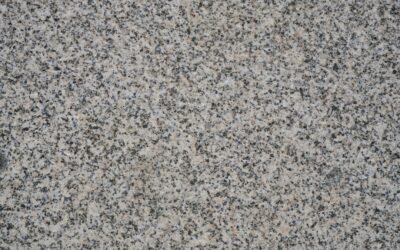
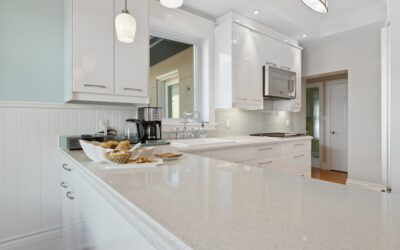
- White and light gray: Bright, versatile slabs flecked with black, gray, or burgundy minerals. They suit modern and traditional kitchens and pair with nearly any cabinet color.
- Black: Deep, dramatic stone such as the popular dark granites that read nearly solid. Striking but shows dust and water spots.
- Gold, beige, and brown: Warm earth tones that hide crumbs and stains well, a practical choice for busy kitchens.
- Blue and green: Rare, exotic colors prized for statement islands, and priced accordingly.
- Red and burgundy: Bold, warm slabs with strong character for a focal-point counter.
Sorting Granite by Pattern
Beyond color, the pattern of the stone changes the whole feel of a counter.
- Speckled or granular: The classic look, with evenly distributed mineral flecks. Calm, consistent, and easy to coordinate.
- Veined: Flowing mineral lines that resemble marble, adding movement and drama, especially on a large island.
- Marbled and swirled: Bold sweeps of contrasting color for slabs that act as the room’s centerpiece.
- Solid or uniform: Minimal variation for a clean, understated surface that lets cabinets and backsplash shine.
Always view the full slab before buying, not just a small sample. Pattern varies across a single piece, and the sample rarely shows the dramatic veining or movement of the real thing.
Finishes Change Everything
The same stone looks and behaves differently depending on how it is finished.
- Polished: The most common finish, glossy and reflective, which deepens color and resists staining well. Shows fingerprints and smudges.
- Honed: A smooth matte surface with a soft, contemporary look. More forgiving of fingerprints but more porous, so it needs diligent sealing.
- Leathered: A textured, low-sheen finish that hides smudges and water spots beautifully and adds tactile interest. Increasingly popular for darker stones.
- Brushed or flamed: Rougher textures used more often outdoors or for specific design effects.
Understanding Granite Grades
Suppliers loosely grade granite, which affects both price and quality. Grades are not a universal standard, but they generally describe thickness, soundness, and the rarity of the pattern.
- Entry or commercial grade: Thinner slabs, simpler patterns, and common colors. Budget-friendly and often used in apartments and builder kitchens.
- Mid grade: Better thickness and more interesting color and veining, the sweet spot for most homeowners.
- High or exotic grade: Rare colors, dramatic patterns, greater thickness, and stone imported from specific quarries. The most expensive tier.
Higher grade does not necessarily mean more durable for everyday use; it largely reflects rarity and appearance, so choose based on the look you want and the slab’s soundness.
Slab Versus Modular and Tile Granite
Granite countertops also come in different formats. Full slabs deliver the seamless, premium look most people picture and minimize visible joints. Modular granite uses smaller pre-cut sections to lower cost while keeping much of the look. Granite tile is the most economical, installed like floor tile with grout lines, suitable for DIY and tight budgets but with more seams to maintain.
For most kitchens, a full slab is the goal, but modular and tile options make natural granite reachable on a smaller budget.
Popular Granite Colors by Name
Many granite types are sold under recognizable trade names that describe a specific look, and knowing a few helps you shop. Stones in the white and gray family are prized for their versatility and their ability to brighten a kitchen. Warm gold and brown granites earn favor in traditional kitchens for the way they mask everyday crumbs and stains.
Dramatic dark granites deliver a sleek, modern statement, while rare blue and green stones command premium prices precisely because the quarries that produce them are limited. Keep in mind that the same trade name can vary between shipments, since each block comes from a different part of the quarry, so always confirm you are seeing current stock rather than an older photo.
Thickness and Edge Options
Beyond color and pattern, two practical choices shape the finished countertop. Slab thickness typically comes in 2cm and 3cm; the thicker 3cm slab is more robust, often needs no plywood support, and gives a substantial look, while 2cm is lighter and less expensive but may require a supporting substrate or a built-up edge.
Edge profiles change both appearance and feel. A simple eased or straight edge reads clean and modern, a beveled edge adds a crisp angled detail, and rounded bullnose or ogee profiles bring a softer, more traditional look. More elaborate edges cost more because they require additional fabrication time. Choosing thickness and edge together with your stone ensures the finished counter matches the style you are after.
What the Different Types Cost
Installed granite generally runs $40 to $100 per square foot, with the range driven mostly by color rarity, pattern, and grade. Common speckled stones in standard colors sit at the lower end, while exotic blues, greens, and heavily veined slabs climb toward and past the top. Tile and modular formats can drop costs well below slab pricing.
Whatever type you choose, granite needs periodic sealing, typically once a year for most stones, to protect its natural porosity from stains. A simple way to gauge how often is the water-bead test: if water no longer beads on the surface and starts to soak in, it is time to reseal. With the right match of color, pattern, finish, and grade, granite delivers a durable, distinctive countertop that holds its appeal for decades.