Brown is the most forgiving color you can put on a kitchen counter, which is exactly why it has stayed popular through decades of changing trends. Brown granite countertops hide crumbs, water spots, and the everyday mess of cooking far better than stark white or solid black, and the natural movement in the stone hides minor wear that would show on a smoother surface. From warm caramel slabs flecked with gold to near-black browns shot through with copper, this family of granite offers more range than most homeowners expect. Here is what to know before you choose, budget, and care for it.
Part of our Countertops guide — explore the full guide →
What Makes Granite Brown
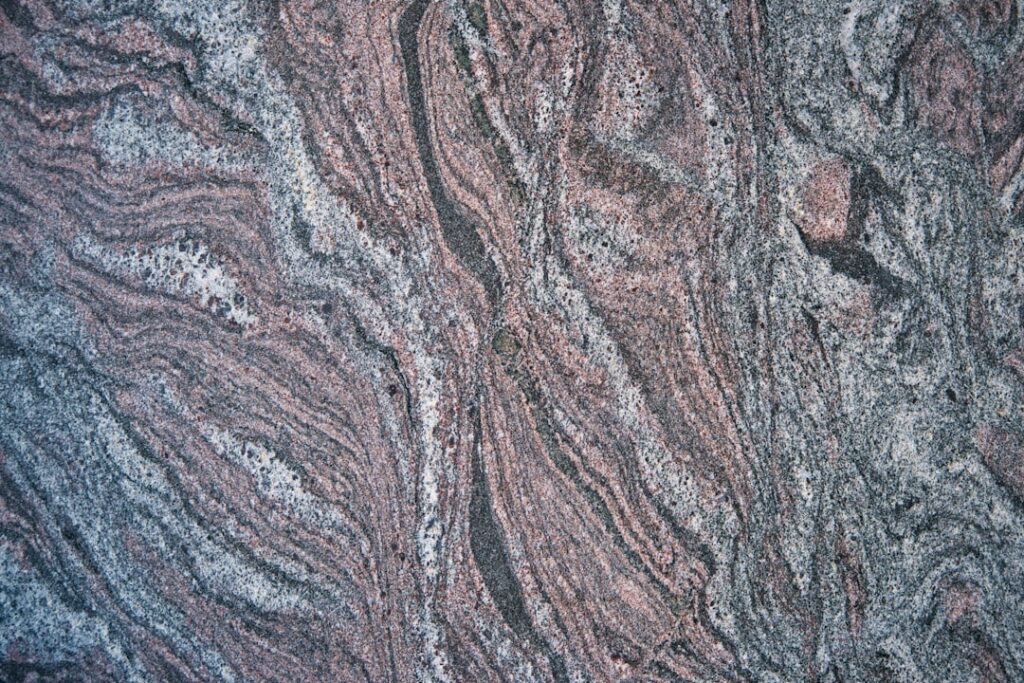
Granite is an igneous rock formed from cooled magma, and its color comes from the blend of minerals locked inside. Brown tones generally come from feldspar and biotite mica, with quartz adding the glassy sparkle and iron oxides deepening the background toward chocolate or rust. Because every quarry produces a slightly different mineral mix, no two brown slabs look identical. That natural variation is part of the appeal, but it also means you should always view the actual slab before buying rather than relying on a small sample.
Popular Brown Granite Colors
Showrooms label brown granites by trade names that describe their look. A few you will see most often include:
- Baltic Brown: A classic with rounded clusters of golden-brown and black, very forgiving and budget-friendly.
- Tan Brown: A darker, more uniform stone with reddish-brown and black speckles that pairs well with cream cabinets.
- Coffee Brown: Deep espresso tones with subtle gold flecks, dramatic against light walls.
- Giallo or Golden varieties: Lighter browns leaning toward honey and amber, which brighten a kitchen.
- Madura Gold: A warm caramel base with flowing veins, popular for an upscale look.
Lighter browns make a small kitchen feel more open, while darker browns ground a large space and pair beautifully with stainless appliances. Bring home large samples and view them under your own lighting, since granite shifts noticeably between daylight and warm bulbs.
Cost of Brown Granite Countertops
Granite is priced by the square foot, installed, and brown varieties span the full range. As a general guide for U.S. homeowners, expect roughly $40 to $70 per square foot for common browns like Baltic Brown, and $60 to $120 or more per square foot for rarer slabs with dramatic veining. A typical kitchen of 40 to 50 square feet of counter often lands somewhere between $2,000 and $5,000 installed.
Those figures cover the slab, fabrication, edge profiles, and installation. Extras such as a built-up edge, an undermount sink cutout, or a waterfall island add to the total. Always get a written quote that itemizes material grade and labor, and ask whether sealing is included, since some fabricators add it on the first visit and others leave it to you.
Sealing and Everyday Care
Granite is hard and heat-tolerant, but it is still a natural stone with small pores that can absorb liquid if left unsealed. Most brown granites are denser than light-colored stones and need sealing less often, yet they still benefit from it. To test whether yours needs sealing, drop a small puddle of water on the surface and wait 15 minutes. If the water beads, the seal is intact. If it darkens the stone, it is time to reseal.
Use an impregnating granite sealer following the product instructions, typically wiping it on, letting it soak, and buffing off the excess. Most kitchens need resealing every one to three years depending on use. For daily cleaning, warm water with a few drops of dish soap or a cleaner labeled for stone is all you need.
What to Avoid
The fastest way to dull or damage a brown granite counter is using the wrong products. Keep these off the surface:
- Acidic cleaners like vinegar, lemon juice, or bleach, which can etch the polish and break down the sealer over time.
- Abrasive scrubbing pads and gritty powders that scratch the finish.
- Standing water around the sink and faucet, which encourages mineral spotting and slow seal breakdown.
Always use a cutting board rather than slicing directly on the stone, because while granite resists scratching, your knives will dull quickly against it. Use trivets for very hot pans as a habit; granite handles heat well, but sudden extreme temperature swings on a sealed surface are best avoided.
Brown Granite vs Other Surfaces
It helps to know how brown granite stacks up against the alternatives you are likely weighing. Compared with quartz, granite is a fully natural material with one-of-a-kind movement and excellent heat tolerance, though it requires periodic sealing while quartz does not. Against marble, brown granite is far more durable and stain-resistant, since marble is a soft, acid-sensitive stone that etches easily. And compared with laminate or solid-surface counters, granite costs more upfront but lasts for decades and adds real resale value to a home.
If your priorities are durability, a natural look, and tolerance for hot pans straight off the stove, brown granite is a strong fit. If you want a completely maintenance-free surface and prefer a uniform appearance, engineered quartz may suit you better. Many homeowners choose brown granite specifically because the natural variation hides the wear and mess that a flawless, uniform surface would constantly show. Knowing where the stone sits among the options makes it easier to commit to the slab you love.
Designing Around Brown Granite
Warm-toned granite is versatile, but the undertone matters. Browns with gold and tan undertones pair naturally with cream, beige, and honey-stained wood cabinets for a traditional kitchen. Browns leaning toward gray or black work well with white or charcoal cabinets for a cleaner, more contemporary look. For backsplashes, a simple travertine or a neutral subway tile lets the granite stay the star.
If your slab has heavy movement, keep the rest of the kitchen calm so the counter does not compete with busy flooring or patterned tile. If it is a more uniform, speckled brown, you have room to introduce a bolder backsplash or accent. Either way, brown granite gives you a durable, low-maintenance surface that ages gracefully and forgives the daily realities of a working kitchen.